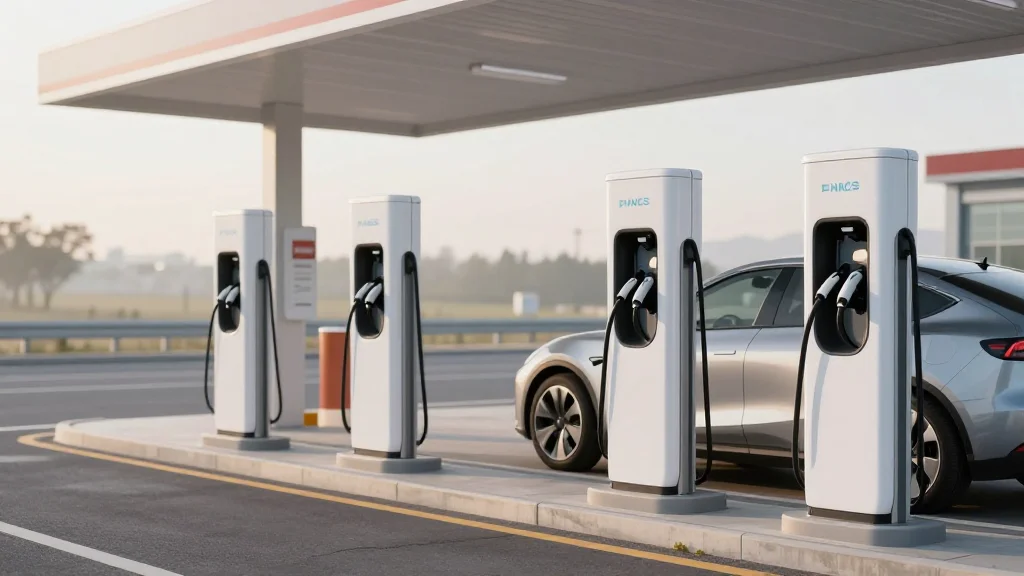
24 New EV Chargers Installed In Texas & Maine
Companies Mentioned
Why It Matters
The new stations broaden fast‑charging coverage on key interstate corridors, encouraging EV adoption while driving foot traffic to retail locations. This signals mainstream retailers committing to clean‑energy services, reshaping the competitive landscape of fuel and convenience retail.
Key Takeaways
- •Love’s adds 24 chargers across Texas and Maine, enhancing highway coverage.
- •Texas sites have NACS and CCS ports; Three Rivers adds Tesla chargers.
- •Maine station offers two NACS and two CCS fast chargers near Bangor.
- •Retail chargers improve range confidence and draw customers to convenience stores.
Pulse Analysis
The rollout by Love’s Travel Stops marks a notable expansion of fast‑charging infrastructure in the United States, targeting high‑traffic corridors where EV drivers most need reliable power. By installing 24 chargers across Texas and Maine, Love’s joins a growing list of convenience‑store chains that are diversifying beyond traditional gasoline sales. The strategic placement of stations beside highways, coupled with amenities like restrooms, Wi‑Fi and food service, creates a seamless pit‑stop experience that mirrors the convenience of conventional fuel stops while addressing the unique needs of electric motorists.
At the Texas sites—Natalia, Encinal and Three Rivers—each location features four dual‑standard chargers compatible with both NACS and CCS connectors, ensuring compatibility with a wide range of EV models. Three Rivers further distinguishes itself with eight Tesla Superchargers, catering to the brand’s sizable user base. In Maine, the Alltown Convenience Market near Bangor hosts two NACS and two CCS fast chargers, extending the network into the Northeast’s growing EV market. These installations reduce the average distance between charging points to under 100 miles, a critical factor in alleviating range anxiety for drivers undertaking longer trips.
Love’s expansion reflects a broader industry shift as major retailers such as Walmart, Kroger, Sheetz and Wawa accelerate their EV‑charging programs. By integrating charging stations into retail environments, these companies capture additional dwell time, potentially increasing ancillary sales. Moreover, the presence of reliable public chargers supports national climate goals by encouraging EV adoption. As the EV market matures, the convergence of retail and clean‑energy services is likely to become a defining feature of the next decade’s transportation ecosystem.
24 New EV Chargers Installed In Texas & Maine
Comments
Want to join the conversation?
Loading comments...