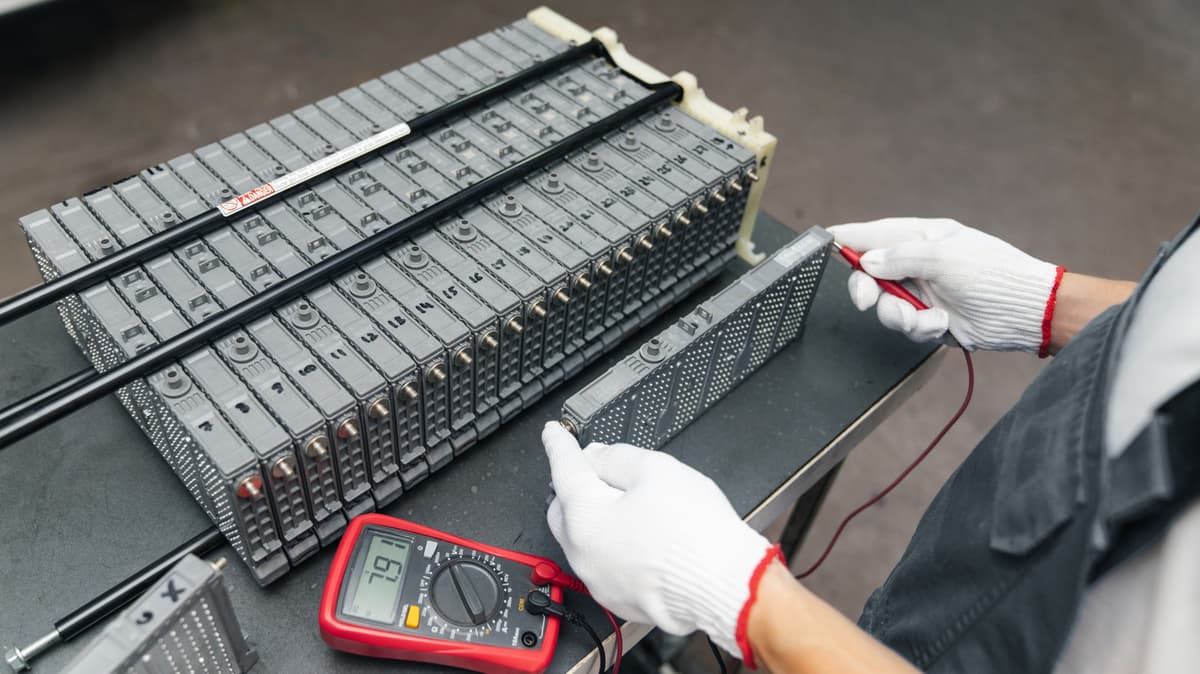
3 Of The Most Common Problems Drivers Have With Hybrid Batteries
Why It Matters
Battery failures can trigger repairs costing thousands of dollars and affect resale value, making proactive care essential for both owners and the broader hybrid market. The reliability of hybrid batteries also influences consumer confidence as automakers compete with fully electric vehicles.
Key Takeaways
- •Rapid drain shows as lower MPG and weaker acceleration
- •Overheating stems from sunlight, aggressive driving, or bad connections
- •Faulty modules cause error codes and reduced fuel efficiency
- •Regular diagnostics and temperature management extend battery lifespan
Pulse Analysis
Hybrid batteries sit at the heart of the plug‑in market, bridging the gap between traditional internal‑combustion cars and pure electric models. While automakers such as Ford and BMW back their packs with eight‑year warranties, the chemistry—whether lithium‑ion or nickel‑metal hydride—still follows predictable aging curves. As the EV rollout accelerates, hybrids remain attractive for drivers wary of range anxiety, yet the long‑term cost of battery degradation can erode that appeal. Understanding the underlying mechanisms helps owners weigh the trade‑offs between upfront savings and eventual maintenance outlays.
The three most frequent battery ailments—excessive drain, overheating, and dead cells—share common triggers. Extreme ambient temperatures accelerate electrolyte breakdown, while repeated deep discharges shrink usable capacity. Aggressive acceleration or prolonged exposure to direct sunlight can push internal temperatures beyond safe limits, prompting thermal throttling or permanent damage. Faulty modules, often the result of manufacturing defects or physical impact, manifest as dashboard warnings and a noticeable dip in fuel economy. Preventive steps such as parking in shade, avoiding short trips that never fully charge the pack, and keeping cooling fans and software updates current can markedly slow these failure modes.
For owners, early detection translates into lower repair bills and preserves resale value, a critical factor as used‑car demand spikes. Dealerships and independent shops are increasingly offering battery health scans, turning what was once a costly surprise into a manageable service item. On the industry side, manufacturers are investing in more robust thermal management systems and modular designs that allow cheaper cell replacements. As battery technology evolves, the line between hybrid and full‑electric reliability narrows, but diligent maintenance will remain a cornerstone of cost‑effective hybrid ownership.
3 Of The Most Common Problems Drivers Have With Hybrid Batteries
Comments
Want to join the conversation?
Loading comments...