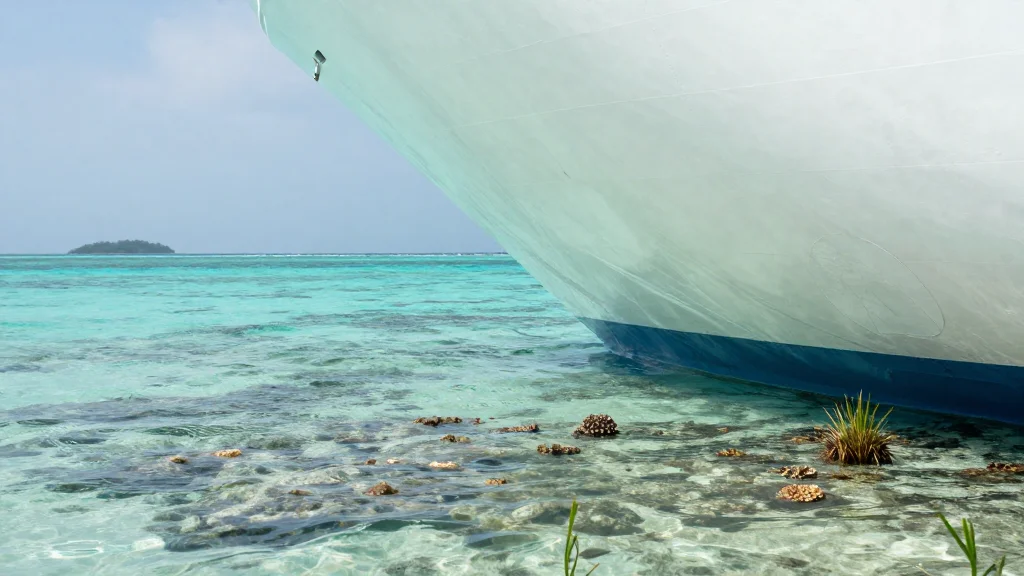
30 Passengers Evacuated After Fiji Princess Runs Aground Near Cast Away Island

Why It Matters
The incident spotlights the vulnerability of small‑scale cruise operations that market intimate, near‑shore experiences. A grounding near a high‑profile filming location draws global attention, potentially influencing traveler perception of safety in the South Pacific. Moreover, the rapid removal of fuel and oil demonstrates effective crisis management, but the structural damage and engine failure raise concerns about vessel maintenance standards in a region prone to sudden squalls. Fiji’s tourism economy, which contributes roughly 40% of GDP, relies heavily on cruise‑ship arrivals. Any perceived safety lapses could prompt travel agencies to reroute itineraries, affecting local businesses on Denarau and the surrounding islands. The environmental dimension is equally critical: reef damage and potential spills threaten biodiversity and the very attractions that draw visitors. The coordinated response by Fiji’s navy, MSAF, and an Australian salvage team underscores the importance of regional cooperation in protecting both passengers and marine habitats.
Key Takeaways
- •All 30 passengers evacuated safely to Denarau Island
- •Blue Lagoon Cruises removed ~20,000 L of diesel and other oils to prevent spill
- •MSAF reported serious damage to the vessel’s rear left side and steering gear
- •An Australian salvage specialist has been overseeing recovery since Sunday
- •The grounding occurred near Monuriki Island, the filming location of *Cast Away*
Pulse Analysis
The Fiji Princess grounding is a cautionary tale for boutique cruise operators that market ultra‑close shore experiences. While larger liners benefit from robust redundancy systems and extensive crew training, smaller vessels often operate with tighter margins and less redundancy, making them more susceptible to sudden weather shifts. The incident may prompt regulators to tighten anchoring guidelines, especially in reef‑dense waters where a dragging anchor can cause catastrophic hull breaches.
Historically, the South Pacific has seen few high‑profile cruise incidents, but climate change is increasing the frequency of severe squalls and unpredictable sea states. Operators will likely invest in more advanced weather‑routing software and reinforce anchoring equipment to mitigate similar risks. The swift fuel off‑loading also sets a benchmark for environmental response; however, the structural damage to the steering system suggests a need for more rigorous maintenance checks, particularly for vessels that frequently navigate shallow, reef‑laden passages.
Looking ahead, the incident could influence itinerary planning for major cruise lines that include Fiji in their Pacific routes. If the investigation uncovers procedural lapses, we may see a temporary suspension of near‑shore docking privileges for smaller ships, pushing operators toward larger ports with deeper harbors. For Fiji’s tourism sector, the episode underscores the delicate balance between promoting unique, immersive experiences and ensuring passenger safety and environmental protection. Stakeholders will be watching the forthcoming MSAF report for clues on how policy may evolve to safeguard both the industry’s growth and the region’s fragile ecosystems.
30 Passengers Evacuated After Fiji Princess Runs Aground Near Cast Away Island
Comments
Want to join the conversation?
Loading comments...