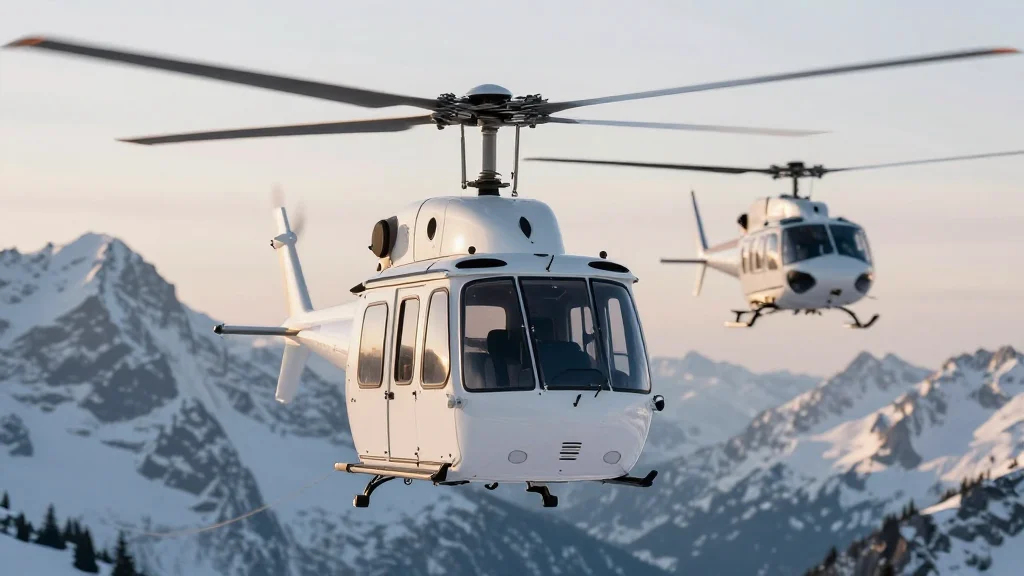
300 Tourists Rescued From Gulmarg Gondola After Weather‑Triggered Halt

Why It Matters
The Gulmarg gondola rescue underscores how extreme weather can abruptly cripple critical transport infrastructure that underpins regional tourism economies. As summer travel rebounds after pandemic‑related slowdowns, any interruption to high‑altitude lift systems directly threatens revenue streams for local communities and raises safety concerns for travelers. The incident also spotlights the importance of coordinated emergency response frameworks in remote, weather‑prone locations, prompting policymakers to consider stricter safety audits and real‑time weather monitoring for cable‑car operations worldwide. Beyond immediate safety, the event may accelerate discussions on climate‑resilient transport investments. Operators could be compelled to upgrade mechanical components, install redundant power supplies, and develop clearer passenger evacuation protocols. For travelers, the episode serves as a reminder to factor weather risk and potential cost overruns into vacation planning, especially when venturing into mountainous destinations where transport options are limited and weather volatility is high.
Key Takeaways
- •Approximately 300 tourists rescued from 65 gondola cabins on May 25 in Gulmarg, Jammu & Kashmir.
- •Rescue involved Indian Army, SDRF, NDRF, police and local volunteers under harsh wind and cold conditions.
- •Gulmarg Gondola serves about 1.2 million passengers annually, generating ~40 % of the district’s tourism revenue.
- •Incident highlights growing weather‑related risks for mountain transport as summer travel demand rises.
- •Authorities will conduct a safety audit and release a detailed report to improve future emergency response.
Pulse Analysis
The Gulmarg rescue is a microcosm of a larger shift in how transportation assets in climate‑sensitive zones are managed. Historically, cable‑car operators have relied on seasonal weather windows, but the increasing frequency of abrupt temperature swings and high‑velocity winds is eroding that predictability. Operators now face a dual pressure: maintain profitability amid rising fuel and electricity costs while investing in resilience measures that may not yield immediate returns.
From a market perspective, the incident could catalyze a wave of capital inflows into safety‑technology firms that specialize in real‑time meteorological analytics, automated cabin descent systems, and remote monitoring. Investors may also see opportunities in insurance products tailored for tourism‑linked transport disruptions. Meanwhile, regional governments are likely to tighten regulatory oversight, potentially mandating more frequent safety drills and transparent passenger communication protocols.
Looking ahead, the Gulmarg episode may serve as a benchmark for other high‑altitude lift operators across the Himalayas, the Alps and the Andes. As climate patterns become more erratic, the industry will need to balance the allure of scenic, adventure‑focused travel with robust risk mitigation. Failure to do so could see a slowdown in tourist inflows, eroding the economic lifelines of mountain communities that depend on these transport corridors.
300 Tourists Rescued from Gulmarg Gondola After Weather‑Triggered Halt
Comments
Want to join the conversation?
Loading comments...