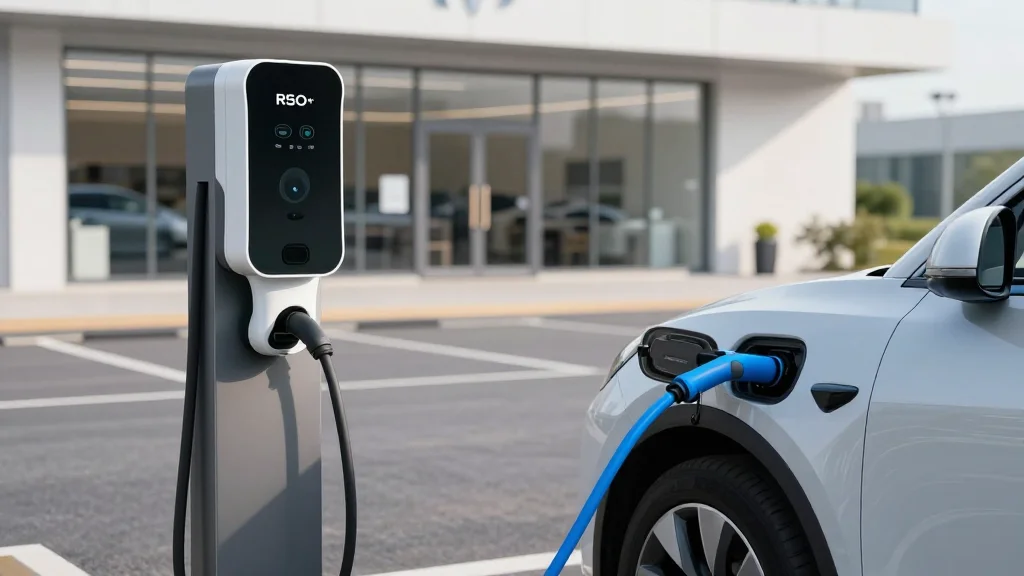
3,000 Fast EV Chargers Were Installed In The US In Q1
Companies Mentioned
Why It Matters
The steady rollout of high‑power public chargers eases range anxiety and supports broader EV adoption, a critical factor as policymakers push for decarbonization and consumers face volatile fuel prices.
Key Takeaways
- •~3,300 fast‑charging ports added in US Q1 2026
- •High‑power (250 kW+) chargers now dominate new installations
- •Operators favor fewer sites with more ports per location
- •Retail chains like Walmart and Love’s host new fast chargers
- •Utilization steady at ~15.6%, indicating balanced supply‑demand
Pulse Analysis
The United States is accelerating its fast‑charging infrastructure, with over 3,300 new ports deployed in Q1 2026. This pace reflects a maturing market where high‑power (250 kW+) units are the default, replacing older, lower‑output models. By concentrating multiple ports at fewer, strategically placed sites, operators achieve economies of scale and improve site profitability. The trend aligns with global best practices, mirroring the rapid charger upgrades seen in China and Europe, but tailored to U.S. travel patterns and real‑estate economics.
From a consumer perspective, the expanded network directly tackles range anxiety, the most cited barrier to electric‑vehicle adoption. Fast chargers that can boost a battery from 10% to 80% in the time of a coffee break make long‑distance trips viable, especially along interstate corridors. Partnerships with retail giants—Walmart, Kroger, Love’s—place chargers where drivers already stop, turning refueling into a seamless part of the shopping experience. This convenience, combined with steady utilization rates around 15.6%, signals that the added capacity is meeting genuine demand rather than creating excess.
Looking ahead, the deployment trajectory suggests a robust pipeline of investment, bolstered by federal incentives and state‑level clean‑energy mandates. As automakers increase EV sales volumes, the need for reliable, high‑throughput charging will intensify, prompting further standardization of site design and pricing models. Stakeholders—from utilities to real‑estate developers—must coordinate to ensure grid readiness and equitable access, positioning fast chargers as a cornerstone of the United States’ transition to a low‑carbon transportation ecosystem.
3,000 Fast EV Chargers Were Installed In The US In Q1
Comments
Want to join the conversation?
Loading comments...