4 Ways Automation Boosts Labor Efficiency in Warehousing (And Why It Matters)
Why It Matters
Incremental automation reduces labor costs and error rates, directly enhancing order throughput and profitability. For a sector facing tight margins, quick‑return technologies provide a competitive edge.
Key Takeaways
- •Conveyors cut travel time, freeing staff for higher‑value work
- •Pick‑to‑light reduces errors and speeds order fulfillment
- •Vertical lift modules improve inventory access and space utilization
- •WMS task automation minimizes miscommunication and redundant effort
- •Small‑scale automation yields quick ROI without major capital outlay
Pulse Analysis
The logistics landscape is increasingly defined by the need to do more with fewer hands. Rising wages, tighter delivery windows, and the surge in e‑commerce volumes pressure warehouse operators to extract every ounce of efficiency. Automation, once the domain of high‑volume, capital‑intensive facilities, is now accessible through modular solutions that integrate seamlessly with existing layouts. By targeting the most labor‑intensive steps—product transport, order picking, and inventory retrieval—companies can shave minutes off each order, translating into higher throughput and lower per‑unit labor cost.
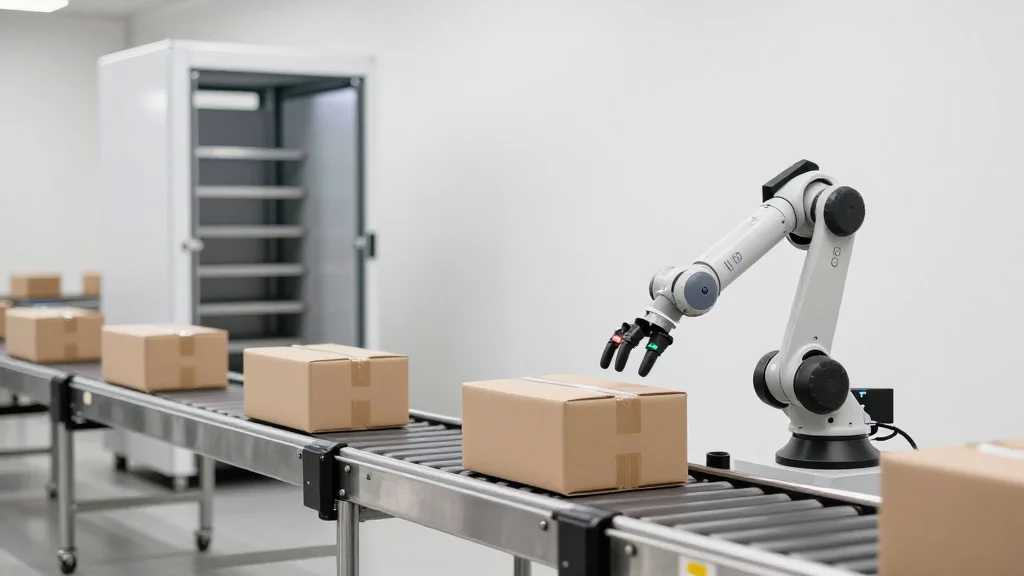
Conveyor systems, pick‑to‑light displays, and vertical lift modules exemplify this shift toward plug‑and‑play technology. A gravity‑driven conveyor can be installed in days, moving pallets without a single additional worker. Pick‑to‑light guides operators to the correct SKU with a flash, slashing error rates that traditionally cost retailers up to 1% of sales. Meanwhile, vertical lift modules stack inventory vertically, reducing aisle footprints and enabling workers to retrieve items from a single access point. These tools require modest upfront spend—often a fraction of a full robotic fulfillment center—but deliver immediate gains in speed and accuracy.
Beyond hardware, software-driven task automation in warehouse management systems (WMS) orchestrates the human‑machine dance. Modern entry‑level WMS platforms assign tasks based on real‑time labor availability, issue digital checklists, and trigger alerts for bottlenecks. This coordination curtails miscommunication, eliminates duplicate effort, and ensures that each employee’s time is spent on value‑adding activities. The result is a rapid return on investment, typically within 12‑18 months, and a scalable foundation for future upgrades. As supply chains become more volatile, firms that adopt these incremental automation steps will be better positioned to meet demand spikes while preserving margin.
4 Ways Automation Boosts Labor Efficiency in Warehousing (And Why It Matters)
Comments
Want to join the conversation?
Loading comments...