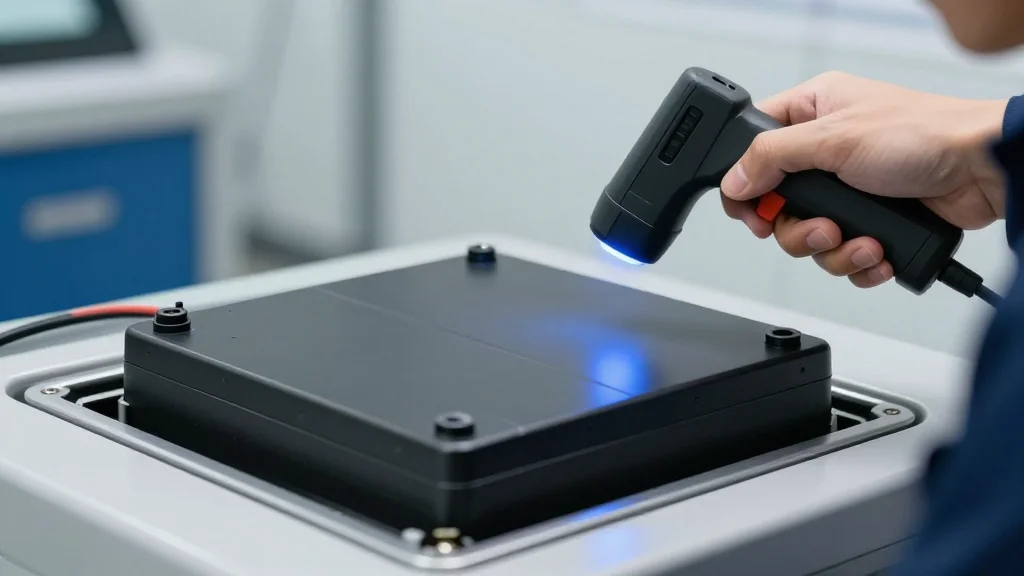
4R Battery Alliance Calls for EV Battery Testing to Be Part of the UK’s MOT Testing Regime
Why It Matters
Including battery testing in the MOT would improve road safety and accelerate a circular economy for EV batteries, while giving consumers reliable data to boost used‑vehicle confidence.
Key Takeaways
- •Battery testing could cut EV fire incidents
- •MOT inclusion would standardize diagnostics across UK fleet
- •Clear health data boosts used EV resale confidence
- •Enables repair, reuse, repurpose, recycle of batteries
- •Supports circular economy and reduces waste
Pulse Analysis
The United Kingdom’s annual MOT test has long been the benchmark for vehicle safety, but its recent expansion to cover high‑voltage cabling still leaves a critical blind spot: the battery’s actual performance. Industry analysts note that without a functional health check, owners and regulators cannot gauge capacity loss, thermal stability, or early‑stage faults that often precede costly failures. By integrating a standardized battery diagnostic into the MOT, the UK could set a global precedent, compelling manufacturers to adopt more robust monitoring systems and creating a uniform data set for policymakers.
Beyond safety, mandatory battery testing dovetails with the four‑R stewardship model championed by the 4R Battery Alliance—Repair, Reuse, Repurpose, and Recycle. Accurate condition metrics enable technicians to identify cells that meet criteria for second‑life applications, such as stationary storage, while flagging those destined for recycling. This granular insight reduces waste, lowers the carbon footprint of battery production, and supports the EU’s broader circular‑economy targets. Moreover, a transparent testing regime can stimulate investment in refurbishment infrastructure, creating new jobs and extending the economic life of high‑value lithium‑ion assets.
For consumers, the biggest hurdle in purchasing a pre‑owned electric vehicle remains battery uncertainty. An independent MOT‑linked test would provide a universally accepted health score, akin to a vehicle’s mileage record, thereby narrowing the price gap between new and used EVs. Dealers could leverage this data to offer warranties or financing options tied to battery condition, accelerating market adoption. Policymakers, meanwhile, would gain a reliable tool to monitor fleet‑wide degradation trends, informing future regulations on charging standards and end‑of‑life handling. In sum, embedding battery testing into the MOT could reshape safety, sustainability, and market dynamics across the UK’s electric‑vehicle ecosystem.
4R Battery Alliance calls for EV battery testing to be part of the UK’s MOT testing regime
Comments
Want to join the conversation?
Loading comments...