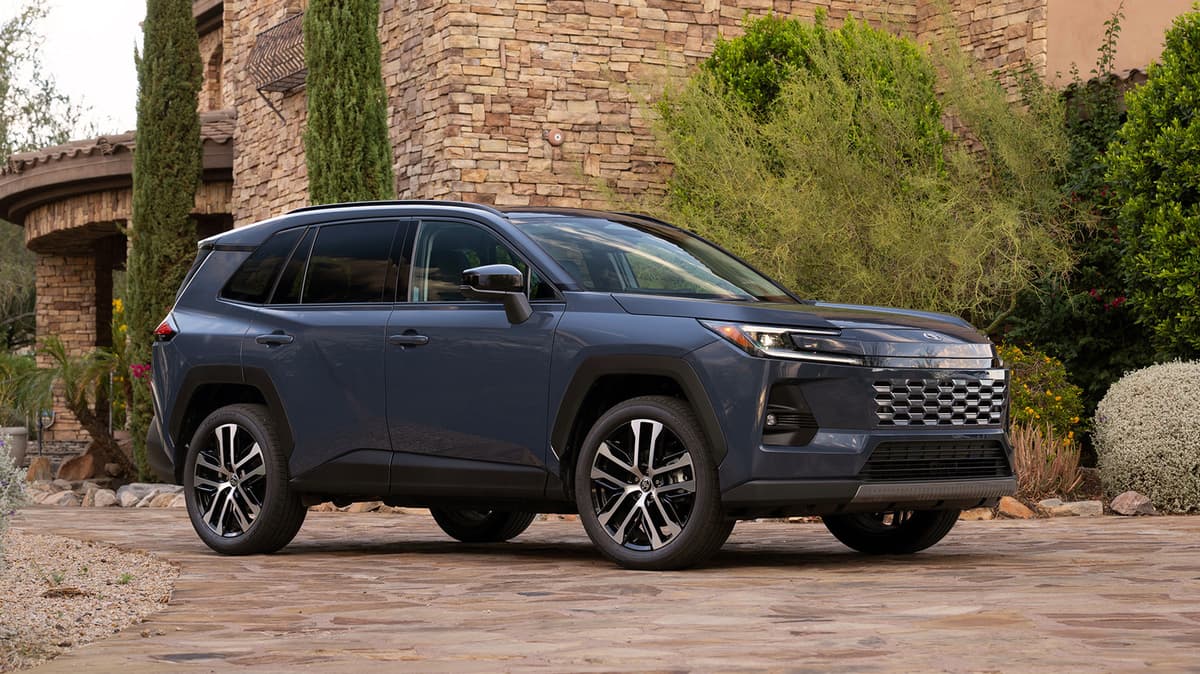
4Runner Vs. RAV4: Which Toyota SUV Depreciates Faster?
Companies Mentioned
Why It Matters
Depreciation directly impacts resale value and loan equity, influencing total cost of ownership for consumers and fleet managers. Understanding which SUV holds value longer helps buyers align vehicle choice with their intended ownership horizon.
Key Takeaways
- •RAV4 holds 83% value after 2 years, 4Runner under 79%.
- •Both lose about 25% of value by year four.
- •By year seven, RAV4 down >40%, 4Runner down ~30%.
- •At ten years, 4Runner retains ~55% versus RAV4 ~50%.
- •4Runner’s $10k higher price offsets slower depreciation advantage.
Pulse Analysis
Toyota continues to dominate U.S. sales, with the RAV4 ranking as the brand’s top seller in 2025 and the 4Runner maintaining a loyal niche following. Both models have transitioned to hybrid powertrains, a move that bolsters fuel efficiency and aligns with stricter emissions standards. While the RAV4’s lower entry price and compact footprint attract a broad consumer base, its faster early‑stage depreciation reflects intense competition in the compact SUV segment, where frequent model refreshes and aggressive pricing pressure resale values.
Depreciation curves reveal a clear inflection point after the fourth year. The 4Runner’s rugged image, limited production volume, and appeal to off‑road enthusiasts create a tighter supply chain, which helps preserve its market price. Additionally, the vehicle’s higher initial cost and perceived durability make it a favorite among buyers who plan to keep the SUV for a decade or more. These factors combine to slow the 4Runner’s value erosion, allowing it to retain about 55% of its original price after ten years, compared with the RAV4’s sub‑50% retention.
For prospective owners, the key is matching the vehicle to the expected ownership horizon. Short‑term drivers—those who upgrade every three to five years—may favor the RAV4’s lower upfront cost and stronger early‑year resale percentages. Long‑term owners, especially those financing over seven to ten years, benefit from the 4Runner’s slower depreciation, which can offset its higher purchase price and reduce the risk of being upside‑down on a loan. As Americans keep cars longer, depreciation will remain a pivotal metric in total cost of ownership calculations across the SUV market.
4Runner Vs. RAV4: Which Toyota SUV Depreciates Faster?
Comments
Want to join the conversation?
Loading comments...