5 Cars That Looked Totally Different Just One Generation Ago
Why It Matters
Redesigns of iconic models can reshape brand equity, alter consumer expectations, and influence market positioning, making them pivotal decisions for automakers. Understanding these shifts helps investors and industry watchers gauge a brand’s strategic direction and potential sales impact.
Key Takeaways
- •2005 Chrysler 300 adopted Sebring body, becoming a luxury sedan
- •Corvette C8’s mid‑engine shift turned it into a budget supercar
- •New Charger abandons V8, uses EV platform, revives two‑door look
- •Toyota Supra MK5 built on BMW platform, looks nothing like iconic MK4
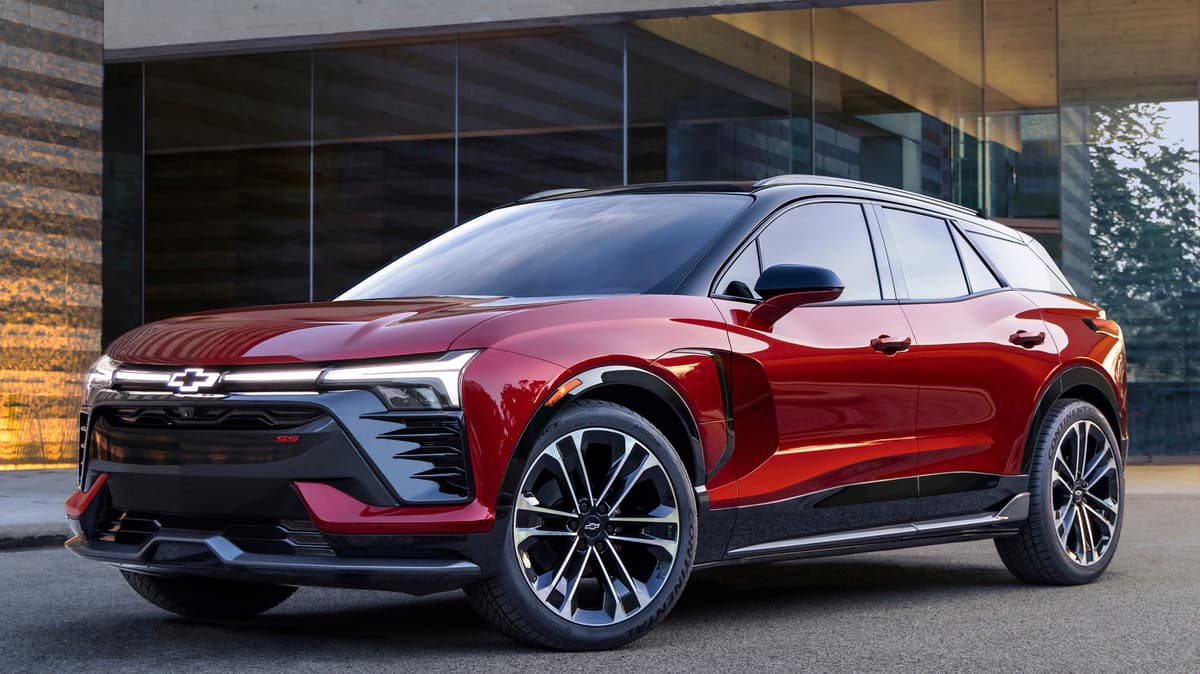
- •Chevrolet Blazer revived as crossover, diverging sharply from original off‑road SUV
Pulse Analysis
Automakers constantly wrestle with the paradox of honoring a model’s heritage while staying relevant in a fast‑evolving market. A dramatic redesign can refresh a nameplate’s appeal, but it also risks alienating loyal buyers who rely on visual cues for brand recognition. The five cases highlighted illustrate how manufacturers either lean into nostalgia—like the Charger’s retro two‑door silhouette—or abandon it entirely, as seen with the Corvette’s shift to a mid‑engine layout that repositions the car from a traditional sports car to a more attainable supercar. These choices reflect broader industry trends toward electrification, platform sharing, and crossover proliferation.
The Chrysler 300’s 2005 rebirth on a Sebring chassis exemplifies cost‑effective platform sharing that still delivered a distinct luxury image, while the Chevrolet Blazer’s transformation from a rugged SUV to a sleek crossover underscores the market’s pivot toward higher‑margin, urban‑focused vehicles. Meanwhile, the Toyota Supra’s rebirth on a BMW Z4 underpinnings demonstrates how cross‑brand collaborations can revive a dormant badge, albeit at the expense of pure brand identity. Each redesign carries financial implications: new tooling, marketing spend, and potential shifts in resale value, all of which affect dealer inventories and consumer financing.
Looking ahead, the frequency of such overhauls is likely to increase as OEMs chase electric powertrains and modular architectures. Brands that manage to retain core design DNA while integrating new technology will preserve customer loyalty and command premium pricing. Conversely, overly radical departures may erode brand equity, prompting a cautious approach where heritage cues are subtly woven into futuristic designs. Stakeholders should monitor how these redesign strategies translate into sales performance and long‑term brand health.
5 Cars That Looked Totally Different Just One Generation Ago
Comments
Want to join the conversation?
Loading comments...