5 Cars With The Fewest Design Changes Over The Last 20 Years
Companies Mentioned
Why It Matters
Design stability preserves brand identity and reduces tooling costs, making these models reliable choices for fleets, off‑road enthusiasts, and niche luxury buyers. Their longevity also signals market demand for proven, utilitarian aesthetics over fleeting trends.
Key Takeaways
- •Chevy Express and GMC Savanna retain original 1996 design
- •UAZ‑452 “Bread Loaf” unchanged since 1958, still in production
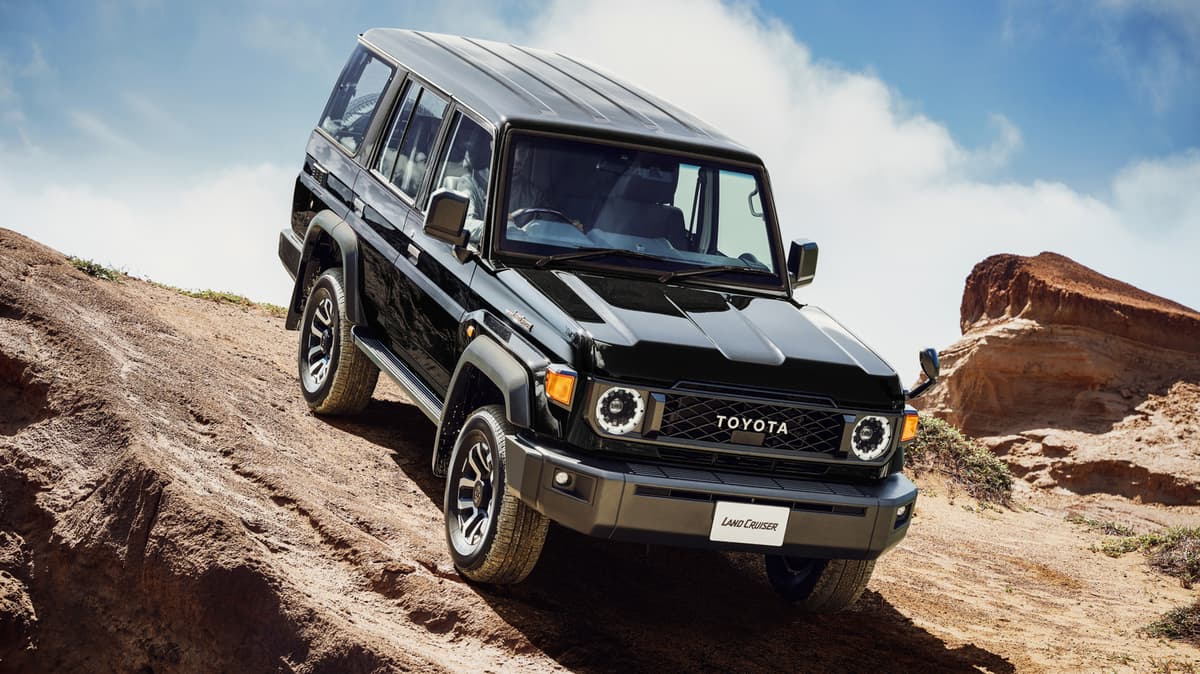
- •Toyota Land Cruiser J70 offers 1980s off‑roader silhouette today
- •Jeep Wrangler’s boxy shape and removable top have barely evolved
- •Morgan Plus Four mirrors 1950s roadster styling after 70‑year run
Pulse Analysis
Design continuity can be a competitive advantage, especially in segments where reliability and recognizability outweigh the need for visual novelty. The Chevrolet Express and its twin, the GMC Savanna, illustrate how a single‑generation platform launched in the mid‑1990s can dominate the North American cargo‑van market for decades. By limiting exterior revisions to minor fascia tweaks, GM minimizes retooling expenses while offering fleet customers a familiar, service‑friendly vehicle that integrates modern powertrains and safety systems without confusing the brand’s visual identity.
In the global arena, the UAZ‑452 “Bread Loaf” and Toyota’s Land Cruiser J70 demonstrate how rugged, purpose‑built designs can transcend geopolitical boundaries. The Russian minibus, born in 1958, remains a workhorse in remote regions, its unchanged silhouette a testament to functional durability. Similarly, the J70 Land Cruiser continues to serve demanding markets such as Australia and Africa, where its body‑on‑frame construction and simple, boxy shape provide unmatched off‑road capability. Both models prove that a timeless silhouette can coexist with incremental mechanical upgrades, satisfying regulatory requirements while preserving the core aesthetic that customers trust.
The Jeep Wrangler and Morgan Plus Four occupy niche but influential corners of the market. Wrangler enthusiasts value the iconic seven‑slot grille, removable doors, and fold‑down windshield—features that have barely shifted since the 1940s, reinforcing a heritage‑driven community. Morgan’s hand‑crafted Plus Four offers a boutique experience, delivering a 1950s‑era roadster feel with modern safety compliance. These cases highlight a broader industry insight: when a design achieves a cultural or functional sweet spot, manufacturers often opt for evolutionary rather than revolutionary changes, leveraging brand loyalty and reducing development risk while still integrating contemporary technology under the hood.
5 Cars With The Fewest Design Changes Over The Last 20 Years
Comments
Want to join the conversation?
Loading comments...