7 Electric Scooter Maintenance Tips for Safe Rides This Spring
•March 9, 2026
0
Why It Matters
Proper spring maintenance prevents accidents and extends scooter lifespan, crucial as e‑scooter usage surges in urban commuting.
Key Takeaways
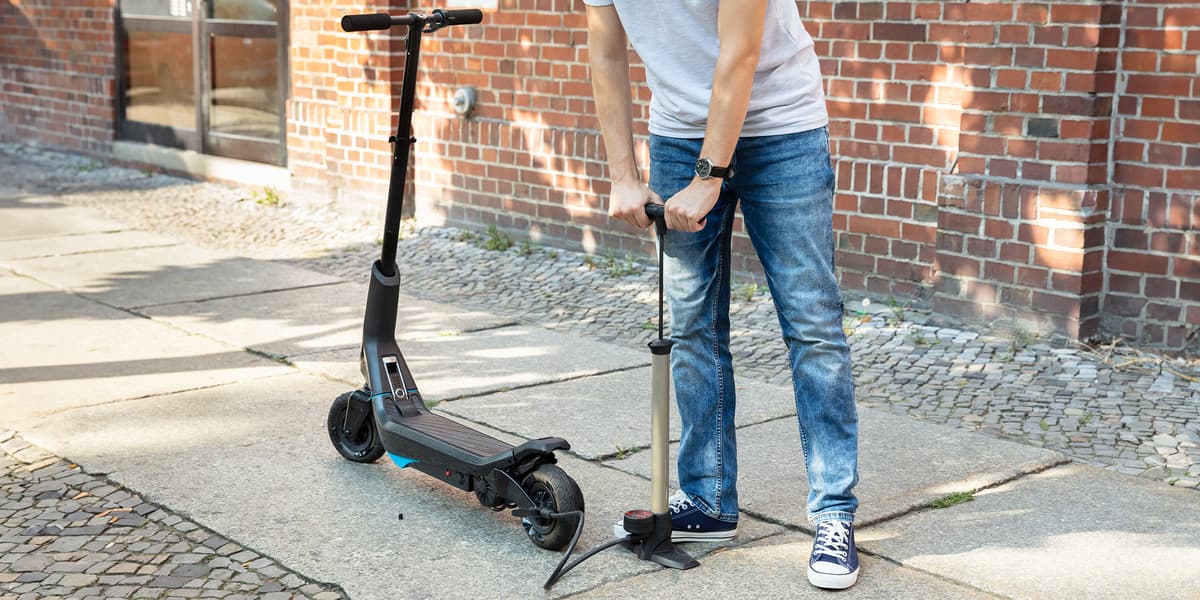
- •Check tire pressure 40‑50 psi before riding
- •Tighten loose bolts and joints to prevent failure
- •Use wheel‑bearing grease, avoid WD‑40
- •Inspect brakes; address squeaking or grinding promptly
- •Remove rust, apply rust‑preventive spray
Pulse Analysis
Spring is the natural reset point for electric‑scooter owners who stored their devices through colder months. Battery chemistry can degrade in low temperatures, tire pressure drops, and moisture may settle in joints, so a systematic pre‑ride inspection is essential. Simple tools—a pressure gauge, hex wrench, and bearing grease—allow riders to verify core systems quickly, while a full charge ensures the motor delivers its rated performance. By treating the scooter like a bicycle, users safeguard both performance and safety before the longer daylight hours invite more frequent trips.
The timing of this checklist aligns with a broader industry trend: urban commuters are increasingly adopting electric scooters as a low‑cost, low‑emission alternative to cars and public transit. Cities are responding with tighter safety regulations, mandating functional brakes, lights, and reliable battery indicators. Consequently, manufacturers and retailers are emphasizing maintenance education to reduce warranty claims and liability. A well‑maintained scooter not only meets regulatory standards but also enhances consumer confidence, driving higher adoption rates and repeat purchases.
Practical advice extends beyond the basics. Community forums such as r/scooters share real‑world tips on grease types, rust‑prevention sprays, and DIY brake adjustments, creating a crowdsourced knowledge base that complements official manuals. Investing in a quality tire pressure gauge and a small set of hex wrenches pays dividends in reduced downtime. Looking ahead, smart‑connected scooters may soon offer diagnostic alerts for pressure, battery health, and brake wear, turning routine maintenance into automated notifications and further integrating these devices into the broader micromobility ecosystem.
7 Electric Scooter Maintenance Tips for Safe Rides This Spring
0
Comments
Want to join the conversation?
Loading comments...