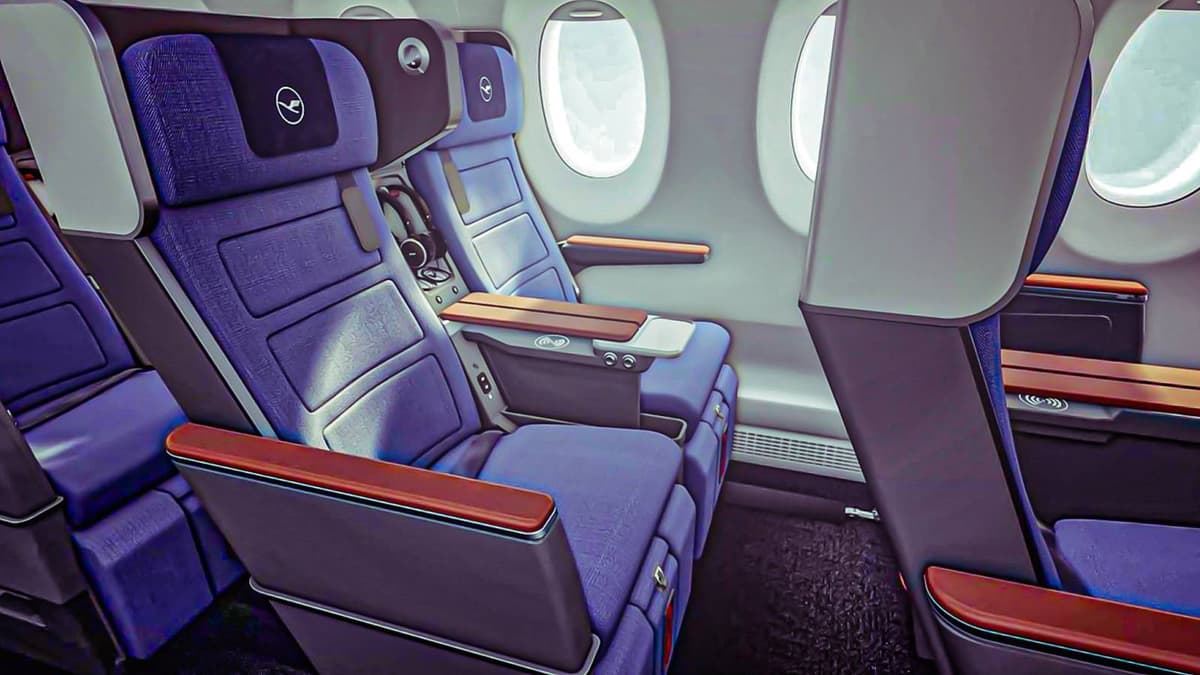
7 Of The Most Spacious Transatlantic Premium Economy Seats You Can Book Today
Companies Mentioned

Why It Matters
Spacious premium‑economy cabins are becoming a key differentiator for airlines competing on long‑haul comfort, influencing traveler choice and revenue on high‑margin transatlantic routes.
Key Takeaways
- •British Airways offers 38‑inch pitch, 18.7‑inch width on 787‑9.
- •Air France provides 40‑inch pitch, 19‑inch width, 130° recline.
- •Virgin Atlantic’s Reverb seats have 38‑inch pitch, 18.7‑inch width.
- •Lufthansa premium economy gives up to 50% more space than economy.
- •Delta A350‑900 uses Collins MiQ seats across 40‑48 rows.
Pulse Analysis
Premium‑economy has evolved from a budget‑friendly upgrade to a strategic product line that captures high‑spending leisure and business travelers on transatlantic flights. Airlines are responding to growing demand for extra legroom, wider seats and enhanced amenities, positioning premium‑economy as a middle ground between cramped economy and costly business class. This shift is evident in the recent rollout of newer seat models—Recaro, Safran, Collins and Sixty Aerospace—across fleets, each promising adjustable headrests, larger recline angles and dedicated storage, thereby boosting perceived value and ancillary revenue.
When comparing the seven carriers, seat pitch ranges from 38 to 40 inches, while seat width spans 18.7 to 19 inches. Air France stands out with a 130‑degree recline and a 40‑inch pitch, offering the most generous space per passenger. British Airways and Virgin Atlantic match at 38‑inch pitch but differ in seat manufacturers and recline depth, with BA’s Recaro PL3530 delivering a 10‑inch recline versus Virgin’s 8‑inch. Delta’s A350‑900 utilizes Collins MiQ seats across 40‑48 rows, providing a consistent experience across its fleet, while Lufthansa emphasizes a 50 % space advantage over economy, reinforcing its premium positioning.
For travelers, these specifications translate into tangible comfort gains on flights that typically exceed six hours. Airlines that invest in wider rows, greater recline and added perks—such as priority boarding, upgraded meals and complimentary beverages—can command higher fare differentials and foster brand loyalty. As competition intensifies, carriers are likely to further refine cabin layouts, integrate lightweight materials and expand premium‑economy availability, making the segment a pivotal growth engine for the transatlantic market.
7 Of The Most Spacious Transatlantic Premium Economy Seats You Can Book Today
Comments
Want to join the conversation?
Loading comments...