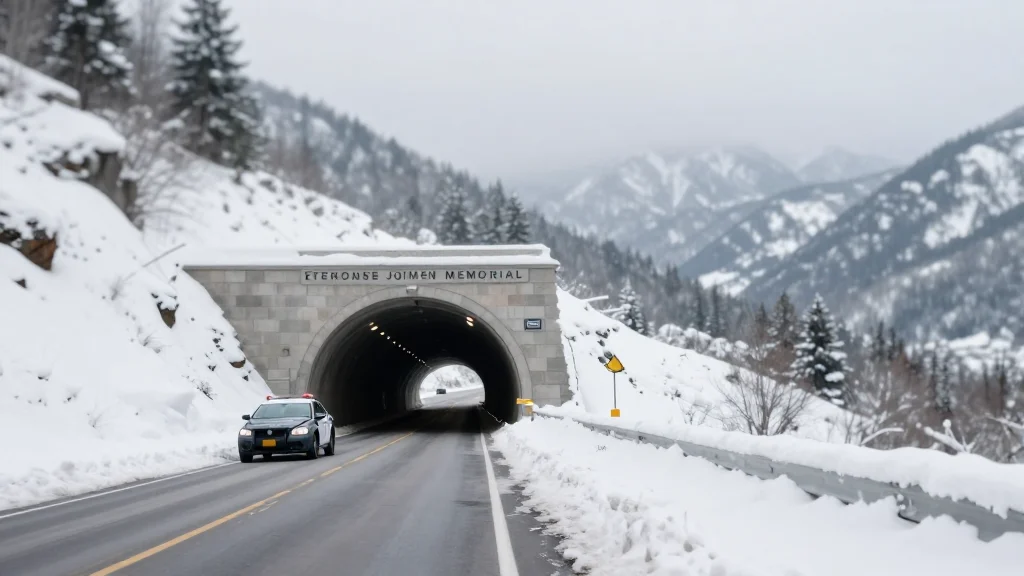
70-Vehicle Pileup on Colorado I-70 Sends Eight to Hospital

Why It Matters
The I‑70 corridor is a lifeline for both passenger travel and freight movement across the Rockies. A multi‑vehicle crash of this magnitude not only endangers lives but also disrupts supply chains that depend on timely deliveries of goods ranging from consumer products to construction materials. Prolonged closures can force shippers onto longer, less efficient routes, increasing fuel consumption and emissions. Beyond immediate economic costs, the pileup highlights systemic challenges in managing winter travel on high‑altitude highways. As extreme weather events become more common, transportation agencies must balance safety messaging with technological solutions—such as dynamic speed limits, real‑time road‑condition alerts, and coordinated incident‑response teams—to keep the corridor functional and safe.
Key Takeaways
- •70 vehicles involved in eastbound I‑70 pileup near Eisenhower‑Johnson Tunnel on April 14
- •Eight people hospitalized; one with serious injuries
- •Eastbound lanes closed for 4‑6 hours; westbound left lane used for medical staging
- •Colorado Gov. Jared Polis and state agencies urged drivers to avoid the area
- •Incident underscores winter‑driving risks on a critical mountain freight corridor
Pulse Analysis
The Colorado I‑70 pileup illustrates a convergence of factors that can cripple a major transportation artery: adverse weather, high traffic density, and limited redundancy in mountain routes. Historically, the Eisenhower‑Johnson Tunnel has been a bottleneck during winter storms, but this incident shows that even without a full-blown snowstorm, icy conditions can precipitate a cascade of crashes. The rapid escalation from six smaller incidents to a 70‑vehicle jam suggests that drivers may have been operating with insufficient headway, a behavior often exacerbated by the false sense of security that comes with a well‑maintained interstate.
From a market perspective, the disruption likely added measurable cost to logistics firms that rely on I‑70 for cross‑country shipments. Freight rates for time‑sensitive cargo can spike when alternate routes—such as US‑6 or US‑285—are forced into service, especially if those roads are also compromised by weather. In the longer term, the event may accelerate investment in intelligent transportation systems (ITS) that can dynamically adjust speed limits, provide early warnings, and coordinate with emergency responders to clear incidents faster. Such technology could reduce the duration of closures and mitigate downstream economic impacts.
Looking ahead, policymakers face a choice: invest in incremental safety campaigns or pursue more transformative infrastructure upgrades, such as additional tunnel capacity or dedicated emergency lanes. The latter would require substantial capital but could future‑proof the corridor against an increasing frequency of extreme weather events. For now, the immediate lesson is clear—enhanced driver education, real‑time communication, and rapid incident response are essential to keep the Rocky Mountain gateway open and safe.
70-Vehicle Pileup on Colorado I-70 Sends Eight to Hospital
Comments
Want to join the conversation?
Loading comments...