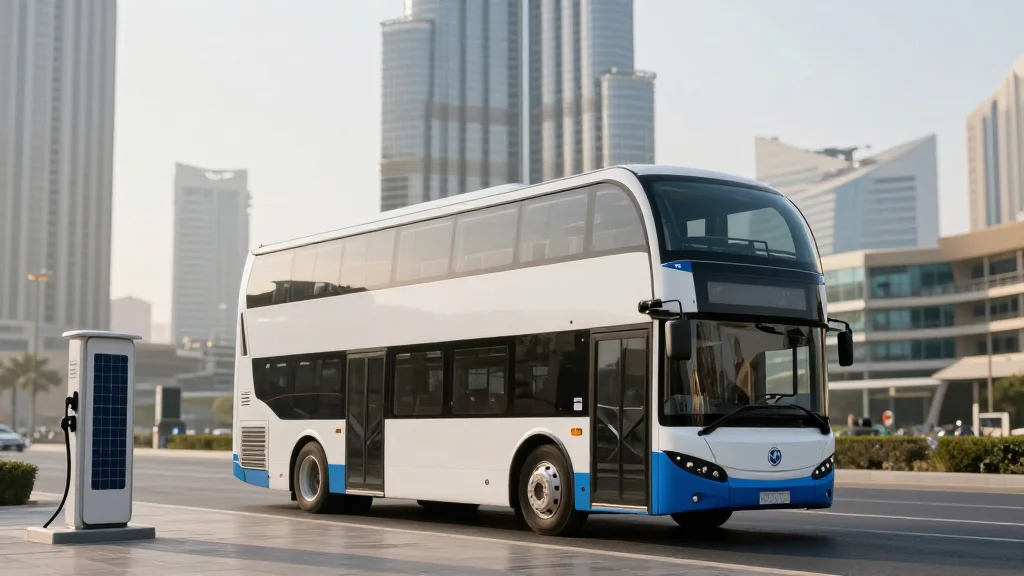
735 Electric Buses Coming To Dubai Soon
Why It Matters
Adding 735 electric buses sharply cuts emissions, improves urban air quality, and positions Dubai as a regional sustainability leader. The combined battery capacity also offers grid‑flexibility benefits, turning the fleet into a large‑scale energy resource.
Key Takeaways
- •735 electric buses slated for delivery in 2026, boosting fleet to 775
- •Current 40‑bus pilot saved 59,263 t CO₂ and earned 95% satisfaction
- •Each bus holds 470 kWh, totaling ~364 MWh storage capacity
- •Fleet could function as a virtual power plant for Dubai’s grid
Pulse Analysis
Dubai’s aggressive procurement of 735 electric buses underscores a broader global shift toward electrified public transport. While many cities are adding a few dozen electric vehicles, Dubai’s scale is unprecedented in the Middle East, reflecting both the emirate’s financial muscle and its strategic vision for a carbon‑neutral transit network by 2050. The move aligns with the United Arab Emirates’ national climate commitments and signals to manufacturers that the region is a fertile market for next‑generation electric bus technology.
Beyond headline numbers, the environmental payoff is substantial. The existing 40‑bus pilot demonstrated a 95% satisfaction rate and prevented the release of over 59,000 tons of CO₂ in a single year, translating into measurable improvements in air quality and public health. Reducing diesel‑fuel combustion curtails particulate matter and nitrogen oxides, pollutants linked to respiratory ailments. For a rapidly growing metropolis like Dubai, cleaner buses support the city’s broader quality‑of‑life goals and bolster its reputation as a livable, forward‑looking urban center.
Perhaps the most innovative aspect is the fleet’s latent energy‑storage capability. With each bus housing a 470 kWh battery, the collective 364 MWh capacity can be aggregated into a virtual power plant, providing ancillary services such as peak‑shaving, frequency regulation, and emergency backup to the local grid. This dual‑use model not only maximizes asset utilization but also creates new revenue streams for the transport authority. As battery chemistries evolve, end‑of‑life packs could be repurposed for stationary storage, further extending the sustainability loop and delivering long‑term economic benefits.
735 Electric Buses Coming To Dubai Soon
Comments
Want to join the conversation?
Loading comments...