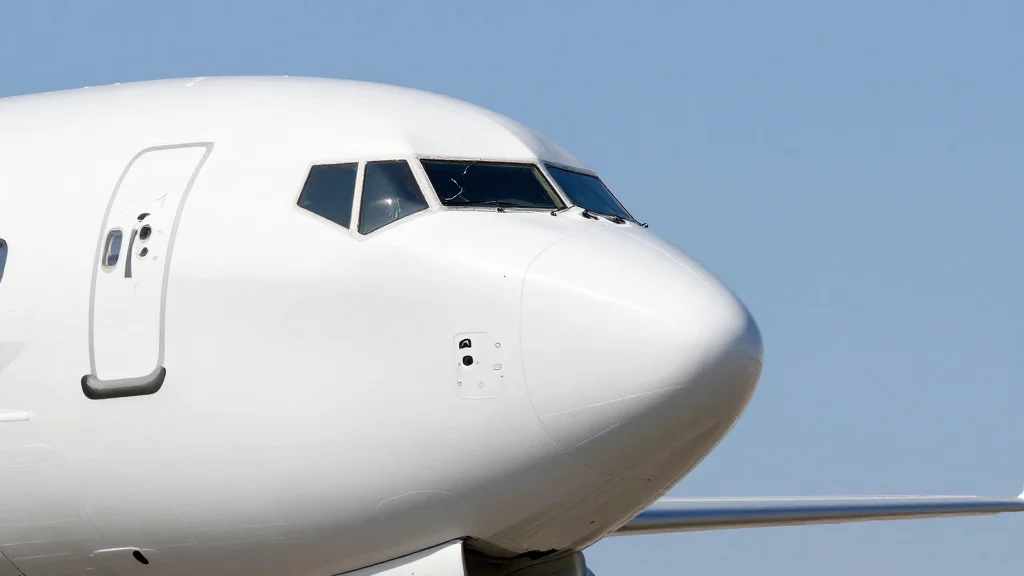
A Cross-Country Southwest Flight's Windshield Cracked at 37,000 Feet and Forced a Diversion
Why It Matters
The diversion underscores the critical importance of aircraft structural integrity and prompts regulatory scrutiny, potentially influencing maintenance protocols across the industry.
Key Takeaways
- •Southwest Flight 2665 diverted to Tulsa after 37,000‑ft windshield crack.
- •19‑year‑old Boeing 737 (N265WN) continued safely despite structural damage.
- •Passengers rebooked; arrived in Baltimore roughly four hours later.
- •FAA launched investigation into windshield failure causes.
- •Incident underscores rarity of mid‑air windshield cracks and maintenance vigilance.
Pulse Analysis
Mid‑air windshield failures remain exceedingly rare, yet the recent Southwest diversion highlights how even a single crack can trigger a full‑scale operational response. Flight 2665, a 19‑year‑old Boeing 737, was cruising at 37,000 feet when the crew detected a fracture in the multi‑layered windscreen. Modern aircraft windshields combine tempered glass, polycarbonate, and other composites to retain structural integrity despite damage, allowing pilots to maintain control and descend safely. Nonetheless, the incident prompted an immediate diversion to Tulsa, underscoring airlines’ zero‑tolerance approach to any compromise in cabin pressurization or pilot visibility.
The event joins a short list of similar occurrences, including United’s October 2025 windshield crack caused by a weather balloon and a government aircraft carrying Pete Hegseth that turned back over the Atlantic after a similar failure. While bird strikes are more common, they rarely breach the windshield’s protective layers. These precedents have spurred airlines to scrutinize inspection cycles, especially on aging fleets; the Southwest 737 in question is over 19 years old, approaching the upper limit of many carriers’ operational lifespans. Enhanced non‑destructive testing and more frequent visual checks are now being discussed at industry forums to preempt such anomalies.
Regulators have responded swiftly. The FAA’s investigation will examine manufacturing records, maintenance logs, and possible external factors such as debris or pressure differentials. Findings could lead to revised Airworthiness Directives mandating earlier replacement of windshield assemblies or updated inspection protocols for older aircraft. For airlines, the cost of unscheduled diversions—both in passenger inconvenience and operational disruption—reinforces the business case for proactive safety investments. As the industry balances fleet renewal with stringent safety oversight, incidents like Southwest’s serve as a reminder that even a single cracked pane can ripple through schedules, reputations, and regulatory frameworks.
A cross-country Southwest flight's windshield cracked at 37,000 feet and forced a diversion
Comments
Want to join the conversation?
Loading comments...