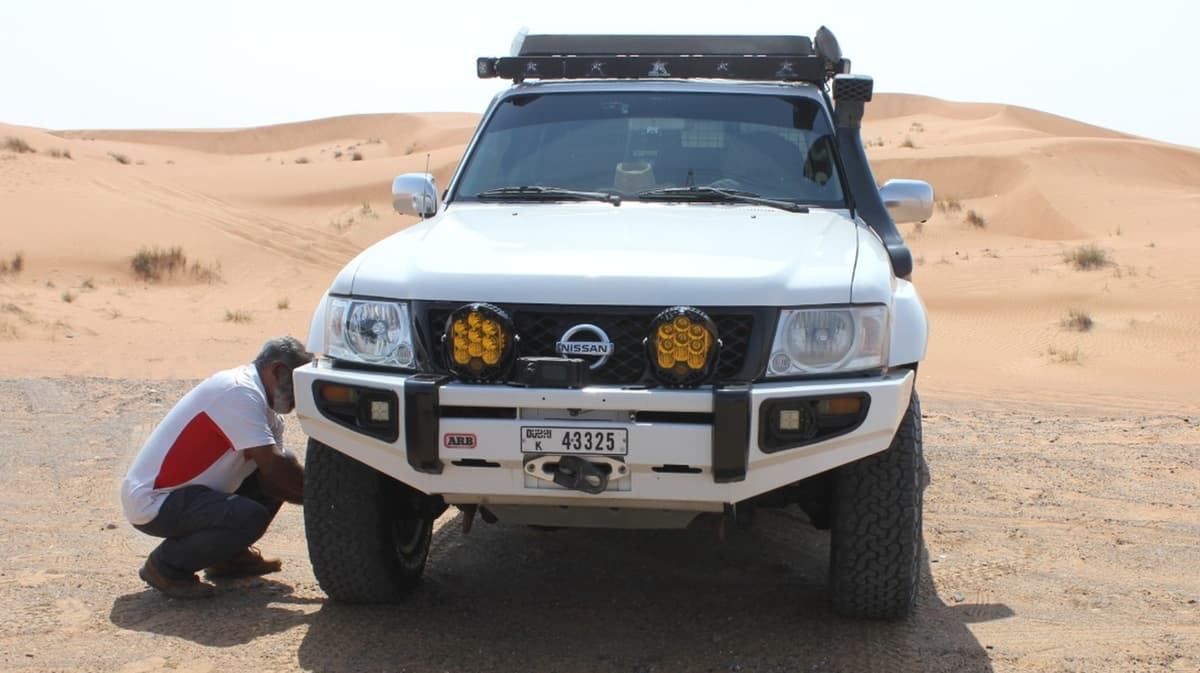
A Guide For When (And When Not) To Air Down Your Tires

Why It Matters
Proper tire pressure balances performance and safety, preventing vehicle damage and accidents while maximizing off‑road capability. Understanding when to air down helps enthusiasts avoid costly tire failures and stay compliant with road regulations.
Key Takeaways
- •Lower pressure improves traction on sand, mud, snow
- •Recommended minimums: 12 PSI sand, 18 PSI mud
- •Do not drive on streets with underinflated tires
- •Underinflation can cause rim loss, blowouts, handling issues
- •Beadlock tires keep beads secured for frequent low pressure
Pulse Analysis
Off‑road enthusiasts have long relied on the physics of a larger contact patch to conquer soft terrain. By reducing tire pressure, the tire flattens, spreading weight over a broader area and preventing the tread from digging into sand or mud. This principle mirrors the way a hand presses into loose material: a flat palm distributes force more evenly than a fingertip. The result is smoother progress, less chance of getting stuck, and a more enjoyable ride on beaches, dunes and muddy trails.
Manufacturers and racers have codified these benefits into specific pressure guidelines. For sandy trails, 12 PSI is often sufficient, while muddy conditions typically require around 18 PSI, and snow‑covered paths benefit from 20 PSI. Drag racers, especially those using slicks, may drop rear pressures to as low as 4 PSI to maximize launch traction, balancing front‑wheel pressure for steering stability. When low pressures are a regular requirement, beadlock wheels become a practical upgrade, locking the tire bead to the rim and preventing the tire from slipping off under extreme side‑load conditions.
However, the same low‑pressure setup is hazardous on paved surfaces. Underinflated tires can detach from the rim, generate excessive heat, and lead to sudden blowouts, compromising vehicle handling and safety. Drivers must always reference the vehicle’s recommended PSI—found on the door jamb or owner’s manual—and re‑inflate after off‑road excursions, ideally with a portable air compressor. By adhering to these practices, off‑roaders protect their tires, maintain road‑legal compliance, and ensure that the thrill of adventure doesn’t translate into costly repairs or accidents.
A Guide For When (And When Not) To Air Down Your Tires
Comments
Want to join the conversation?
Loading comments...