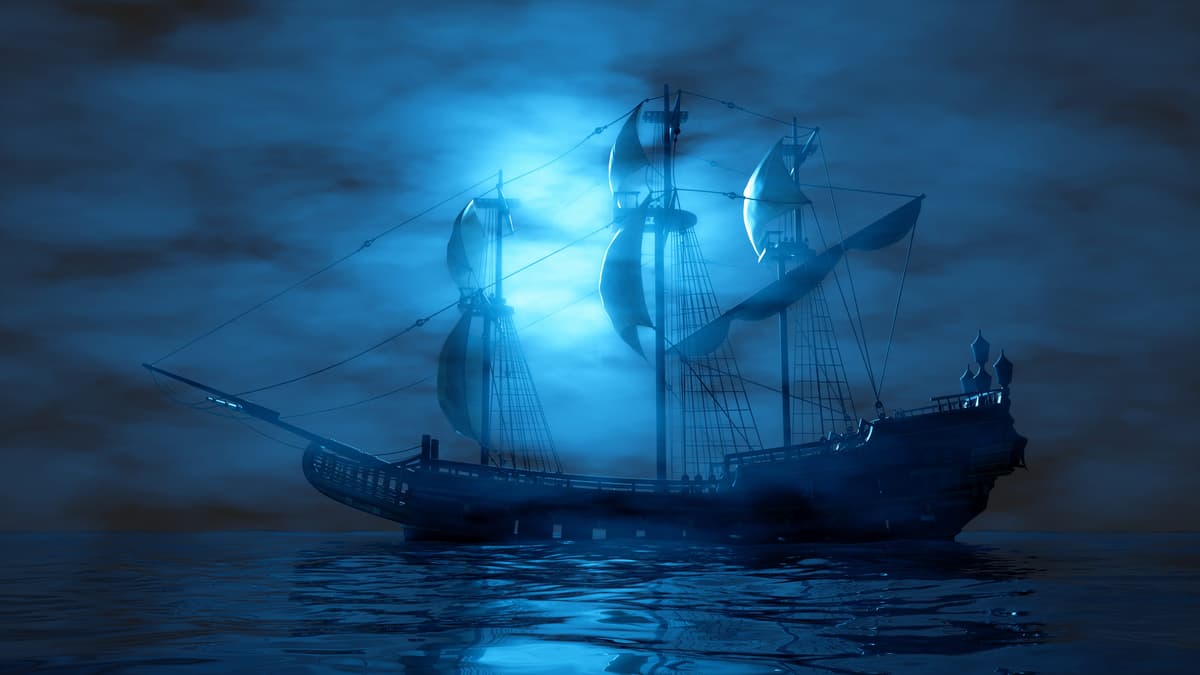
A Ship Was Found Sailing Itself, With Breakfast Still on the Table. No One Ever Found the Crew.
Why It Matters
The case highlights enduring gaps in maritime safety and insurance underwriting, reminding insurers and regulators that even well‑documented voyages can end abruptly. It also fuels public fascination with ghost ships, shaping cultural narratives around seafaring risk.
Key Takeaways
- •Mary Celeste abandoned, breakfast half‑eaten, no crew found
- •Log shows last entry near Azores, but ship drifted 527 miles
- •No damage, cargo intact; blood‑like stains and slashed bows noted
- •Investigation ruled out mutiny, mystery remains unsolved
- •1928 Kobenhavn disappearance underscores persistent oceanic mysteries
Pulse Analysis
The Mary Celeste remains the archetype of the "ghost ship" in maritime lore. Launched in 1861, the 282‑ton brigantine set out from New York in November 1872 bound for Genoa with a cargo of denatured alcohol. When the British brig Dei Gratia sighted her two weeks later, the vessel was seaworthy, her sails set, and a breakfast table half‑filled, yet the captain, his family, and the crew had vanished without a trace. Contemporary reports noted blood‑like stains on the rail and deliberate cuts to the bows, clues that have spawned countless theories—from sudden sea‑quakes to piracy—yet no definitive answer emerged.
For insurers and maritime lawyers, the Mary Celeste case is a cautionary tale about the limits of 19th‑century risk assessment. Lloyd's of London, the era’s premier underwriter, catalogued the incident in its “graveyard” of lost ships, prompting tighter clauses on crew abandonment and cargo integrity. Modern parallels, such as the 1928 disappearance of the Danish‑flagged Kobenhavn—equipped with radio and auxiliary engines—demonstrate that even advanced technology cannot fully eliminate the unknowns of open‑ocean travel. These historic mysteries continue to influence contemporary policies on vessel monitoring, satellite tracking, and emergency response protocols.
Beyond the insurance sphere, the Mary Celeste endures as a cultural touchstone, inspiring novels, films, and speculative research. Its unresolved status fuels a broader fascination with maritime enigmas, reminding the public that the ocean still guards secrets despite centuries of navigation advances. As climate‑driven weather patterns increase the volatility of sea routes, the lessons from the Celeste—vigilance, thorough documentation, and the humility to accept uncertainty—remain relevant for today’s global shipping industry.
A Ship Was Found Sailing Itself, With Breakfast Still on the Table. No One Ever Found the Crew.
Comments
Want to join the conversation?
Loading comments...