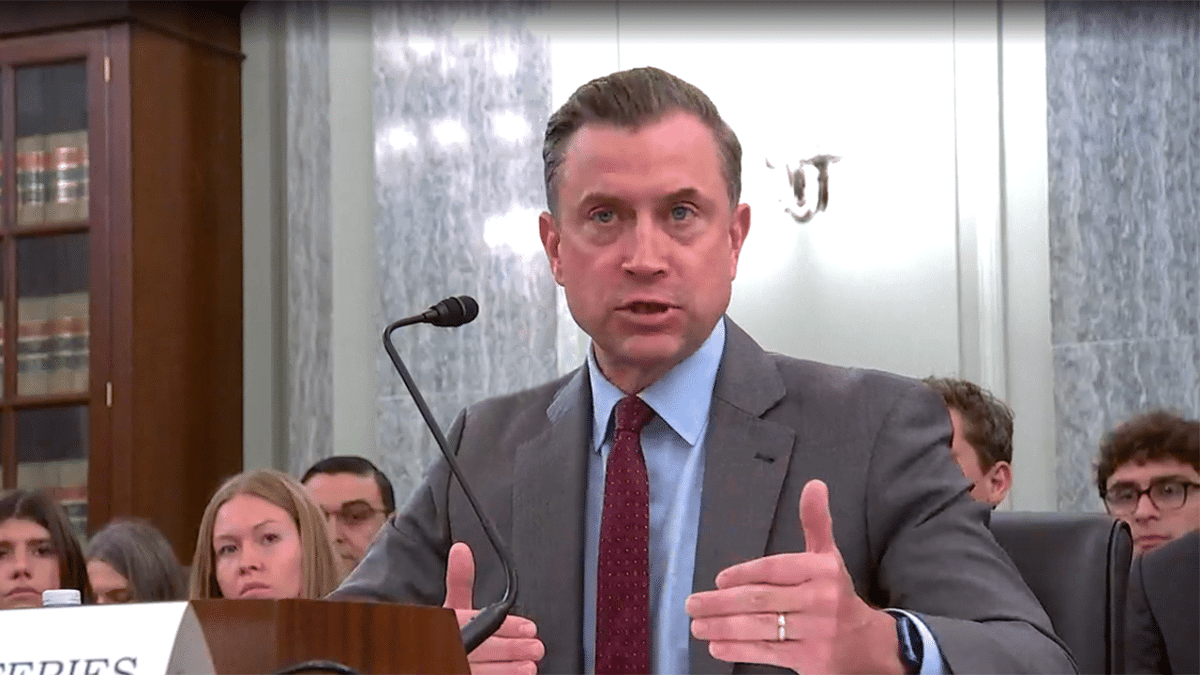
AAR’s Jefferies: ‘Allow Innovation to Lead the Way’
Why It Matters
Flexible, outcome‑based regulation will allow rail’s $23 billion annual tech investment to further improve safety and competitiveness, directly impacting the U.S. freight ecosystem.
Key Takeaways
- •AI inspections detect 75% of mechanical defects at Norfolk Southern
- •BNSF's real‑time track data reduces inspection delays
- •Union Pacific predicts maintenance months ahead with machine vision
- •Freight rail invests $23 billion yearly in technology and infrastructure
Pulse Analysis
The freight rail industry is undergoing a digital transformation, leveraging AI‑driven inspections, machine‑vision cameras, and predictive analytics to monitor a 140,000‑mile network. These tools enable earlier defect detection, cutting derailments and employee injuries, and contributed to 2025 being the safest year on record according to the Federal Railroad Administration. By automating data collection and analysis, railroads such as BNSF, CSX, Norfolk Southern and Union Pacific are achieving higher reliability while freeing crews to focus on strategic tasks rather than manual checks.
Policy makers are at a crossroads as they consider how best to regulate this fast‑evolving sector. Jefferies argues for a mode‑neutral approach that evaluates technologies on measurable outcomes rather than legacy industry biases. Current regulations, many drafted five decades ago, can stifle adoption of advanced sensors and AI systems, potentially locking in outdated practices. A flexible, data‑centric framework would encourage continued investment and allow railroads to meet safety goals with innovative solutions rather than prescriptive compliance.
The economic stakes are significant. Freight rail moves roughly 40% of long‑haul cargo, underpinning critical supply chains across manufacturing, agriculture and energy. With an annual $23 billion spend on infrastructure, equipment and technology, the sector is a major engine of U.S. competitiveness. Supporting rail innovation not only sustains safety gains but also enhances capacity, reduces congestion and lowers emissions, reinforcing the broader logistics ecosystem. Policymakers who enable this momentum will help secure a resilient, efficient transportation backbone for the next century.
AAR’s Jefferies: ‘Allow Innovation to Lead the Way’
Comments
Want to join the conversation?
Loading comments...