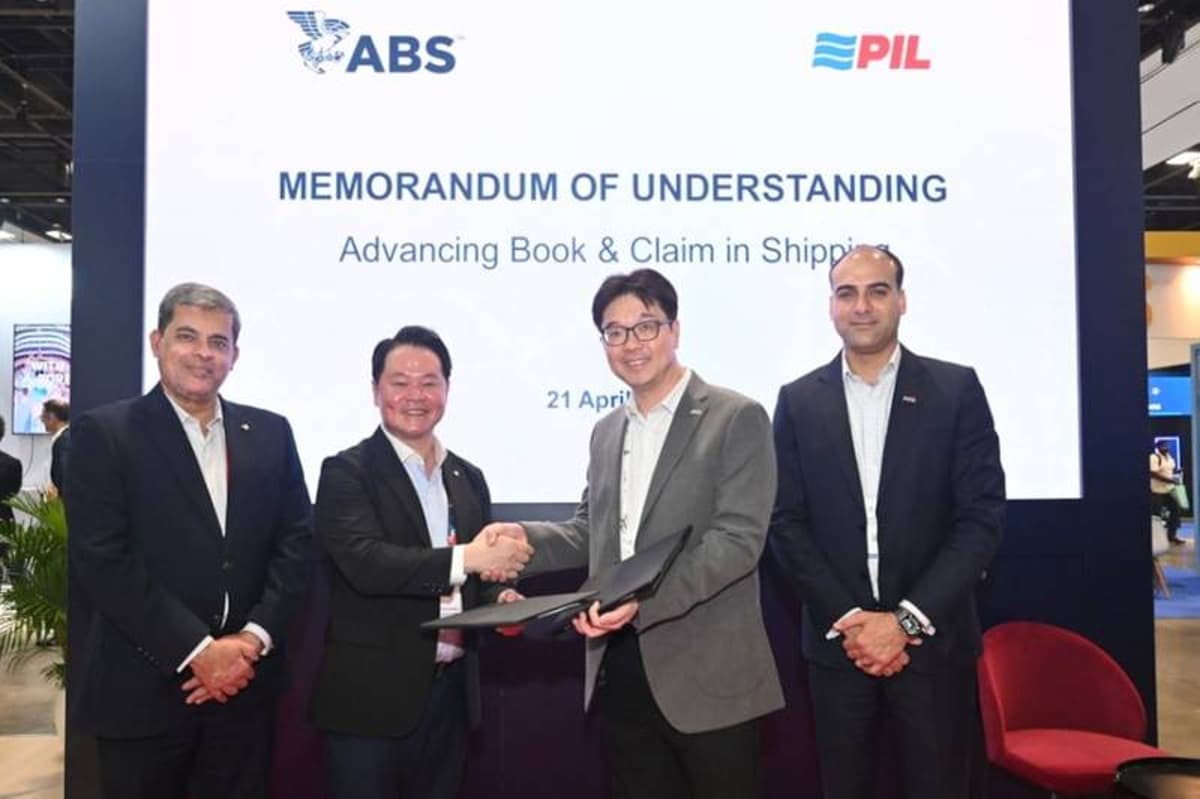
ABS, PIL to Collaborate on Emissions Verification for Marine Fuels
Why It Matters
Independent verification reduces skepticism around emissions claims, helping shipowners and fuel suppliers unlock financing and regulatory incentives for greener marine fuels.
Key Takeaways
- •ABS will independently verify PIL’s fuel consumption and emissions data
- •Collaboration supports PIL’s book‑and‑claim registry for emissions reductions
- •Verification aims to boost confidence in low‑ and zero‑emission fuels
- •Initiative aligns with IMO’s global maritime decarbonization targets
- •Enhanced data trust may accelerate adoption of alternative marine fuels
Pulse Analysis
The maritime sector is under mounting pressure to meet the International Maritime Organization’s 2030 and 2050 carbon intensity targets. While low‑sulfur and alternative fuels such as LNG, ammonia, and methanol are gaining traction, the industry still wrestles with credibility gaps in emissions reporting. Third‑party verification, like the ABS‑PIL partnership, provides a rigorous audit trail that separates the physical fuel from its environmental attributes, allowing shippers to claim reductions without double‑counting. This level of assurance is crucial for investors and insurers who increasingly tie capital to verified sustainability metrics.
Book‑and‑claim mechanisms have emerged as a pragmatic bridge for vessels that cannot yet access zero‑emission fuels at scale. By tracking the carbon‑offset value of fuel purchases rather than the fuel itself, the system enables operators to meet regulatory obligations and corporate ESG goals. ABS’s role as an independent verifier ensures that the data feeding these registries is accurate, auditable, and comparable across the global fleet. Such standardisation reduces transaction costs, mitigates green‑washing risks, and creates a level playing field for both legacy carriers and new entrants.
Looking ahead, the ABS‑PIL MoU could set a precedent for broader industry adoption of verified emissions reporting. As more ports and charterers demand proof of low‑carbon fuel usage, carriers that can demonstrate third‑party validated data will gain a competitive edge. Moreover, reliable verification can unlock financing mechanisms, such as green bonds and sustainability‑linked loans, that hinge on measurable emissions reductions. In sum, the collaboration not only strengthens PIL’s decarbonisation strategy but also contributes to a more transparent, trustworthy market for alternative marine fuels.
ABS, PIL to Collaborate on Emissions Verification for Marine Fuels
Comments
Want to join the conversation?
Loading comments...