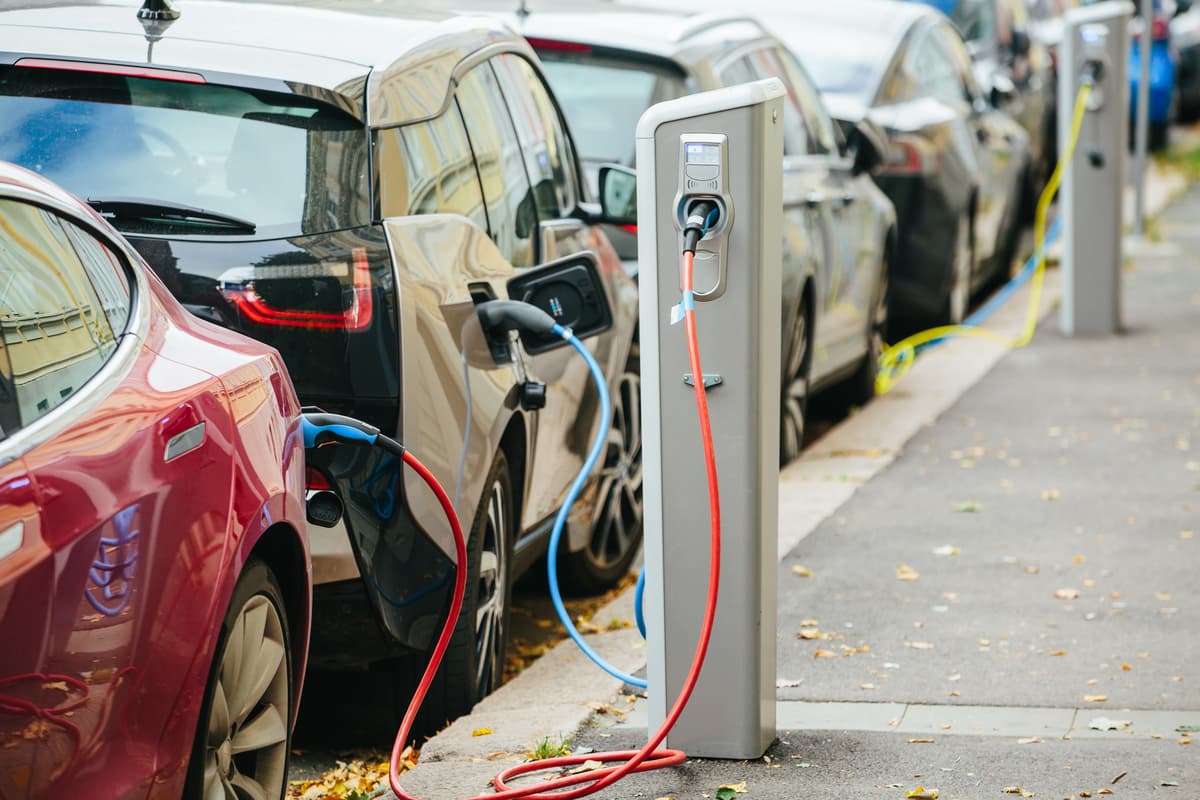
Accelerating the EV Transition on the Path to Net-Zero
Why It Matters
Without addressing infrastructure bottlenecks and aligning energy, policy, and cultural factors, companies risk stalled emissions reductions and missed cost‑saving opportunities, slowing the broader net‑zero transition.
Key Takeaways
- •Grid capacity and upgrade delays hinder large‑fleet EV rollout.
- •Passenger cars and light vans show strongest total‑cost‑of‑ownership case.
- •Heavy‑duty trucks face range limits, requiring larger fleets or pilots.
- •Integrated energy management (solar, storage) improves charging cost certainty.
- •Inconsistent regulations slow infrastructure planning and EV adoption.
Pulse Analysis
The conversation among sustainability, transport and real‑estate leaders underscored that electrifying fleets is no longer a futuristic concept but a pressing operational imperative. Companies that have already aligned vehicle procurement with site‑level energy strategies report sharper ROI, as they can shift charging to off‑peak periods, capture solar generation, and mitigate volatile electricity tariffs. This integrated approach also reduces reliance on diesel, delivering measurable Scope 3 emissions cuts while enhancing energy resilience.
However, the path to widespread adoption is uneven. Passenger cars and light commercial vehicles have reached a maturity point where total‑cost‑of‑ownership calculations favor electric models, especially when firms factor in lower maintenance and fuel savings. In contrast, heavy‑goods vehicles still confront limited ranges and payload penalties, forcing firms to either expand fleet size or adopt hybrid pilots until battery technology catches up. Infrastructure constraints—particularly grid upgrade lead times and connection bottlenecks—exacerbate these challenges for high‑usage fleets that cannot afford prolonged downtime for charging.
Policy fragmentation further compounds the slowdown. In markets where planning standards do not mandate future‑proofed charging or where energy providers operate in silos, businesses navigate a maze of incentives and timelines that erode confidence. Stakeholders argue that coordinated government action—streamlining DNO engagement, harmonising building codes, and incentivising on‑site renewable integration—could accelerate deployment and lower costs. Ultimately, successful EV transition hinges on marrying technology with clear use‑case prioritisation, robust energy management, and a supportive regulatory ecosystem.
Accelerating the EV transition on the path to net-zero
Comments
Want to join the conversation?
Loading comments...