ACMobility’s Power-on-Wheels Shows How Southeast Asia May Solve EV Charging Differently
Key Takeaways
- •ACMobility runs 10 electric vans with up to 120 kWh storage.
- •Service charges ~₱35/kWh (~$0.63), matching typical DC fast‑charging rates.
- •Vans support CCS2 and GB/T, covering most Philippine EV models.
- •Mobile units can access underground parking, bypassing Manila’s truck restrictions.
- •Model offers a low‑emission bridge until fixed charging networks mature.
Pulse Analysis
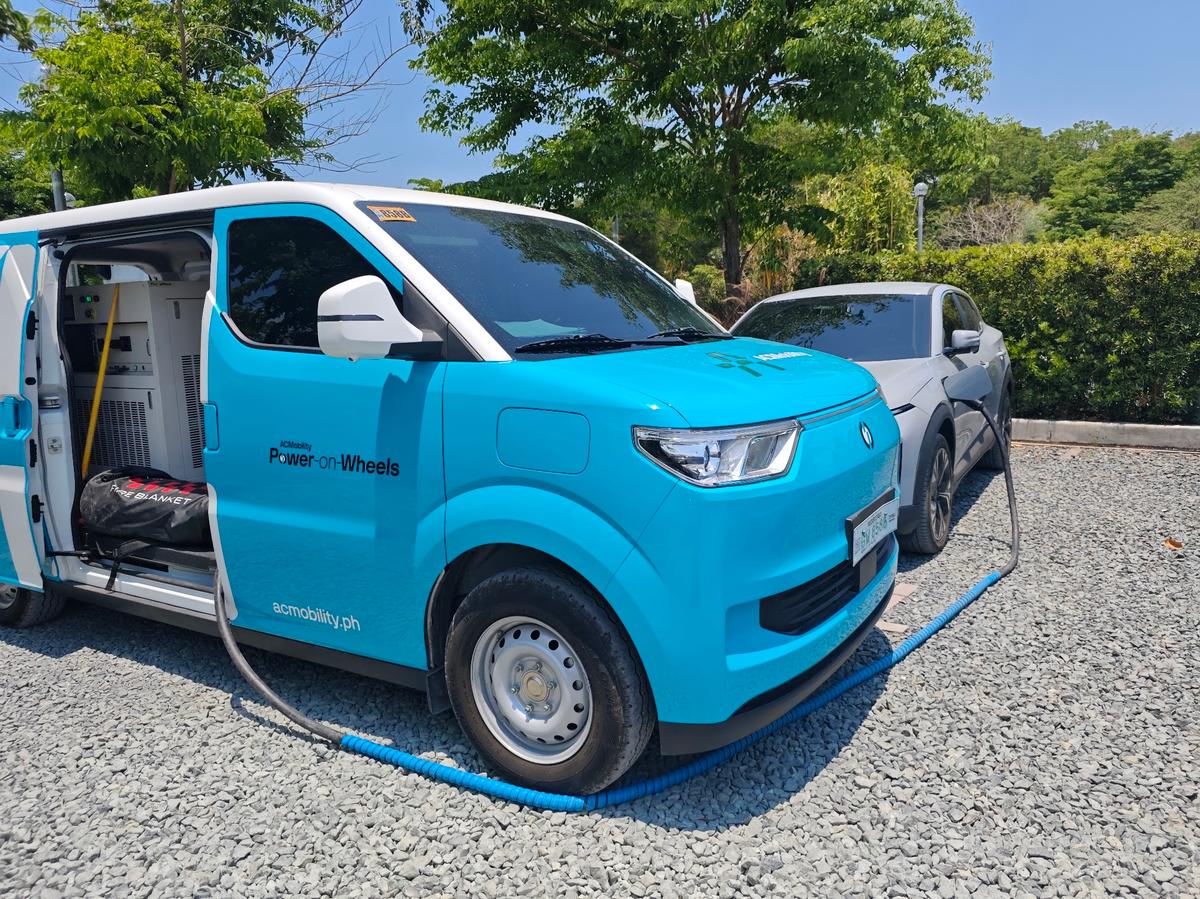
Metro Manila’s rapid urbanization, narrow streets, and limited parking have made the rollout of conventional DC fast‑charging stations both costly and slow. With an estimated 30 % of the city’s residential units lacking dedicated chargers, range anxiety remains a major barrier to electric‑vehicle (EV) adoption. ACMobility’s “Power‑on‑Wheels” (POW) service, launched in March 2023, brings a mobile charging depot directly to the driver via the Evro app. By dispatching electric vans equipped with sizable battery packs, the company sidesteps the need for permanent infrastructure while delivering a convenient top‑up experience.
The POW fleet draws on technology first piloted by Singapore’s Power‑Up Tech (P.UP), adapting it to the Philippines’ dense traffic environment. Ten compact vans—BYD T3, DFSK EC35 and EC31—carry up to 120 kWh of stored energy and support both CCS2 and GB/T connectors, covering the majority of locally sold EVs. Pricing sits at roughly ₱35 per kilowatt‑hour, equivalent to about $0.63, aligning with standard DC fast‑charging fees. Crucially, the vans are themselves electric, powered by solar‑charged batteries from ACMobility’s sister solar firm ACEN, preserving the emissions‑reduction premise of EVs.
While fixed charging networks will remain the backbone of long‑term electrification, mobile solutions like POW could serve as a critical transitional layer across ASEAN’s megacities, where land scarcity and legacy grid constraints delay permanent installations. The model offers a low‑emission, on‑demand service that can reach underground garages and congested districts, potentially boosting consumer confidence and accelerating vehicle sales for brands such as BYD and Kia. If the Philippines can demonstrate commercial scalability, other regional players may replicate the approach, shaping a hybrid charging ecosystem that blends mobility with distributed energy resources.
ACMobility’s Power-on-Wheels Shows How Southeast Asia May Solve EV Charging Differently
Comments
Want to join the conversation?