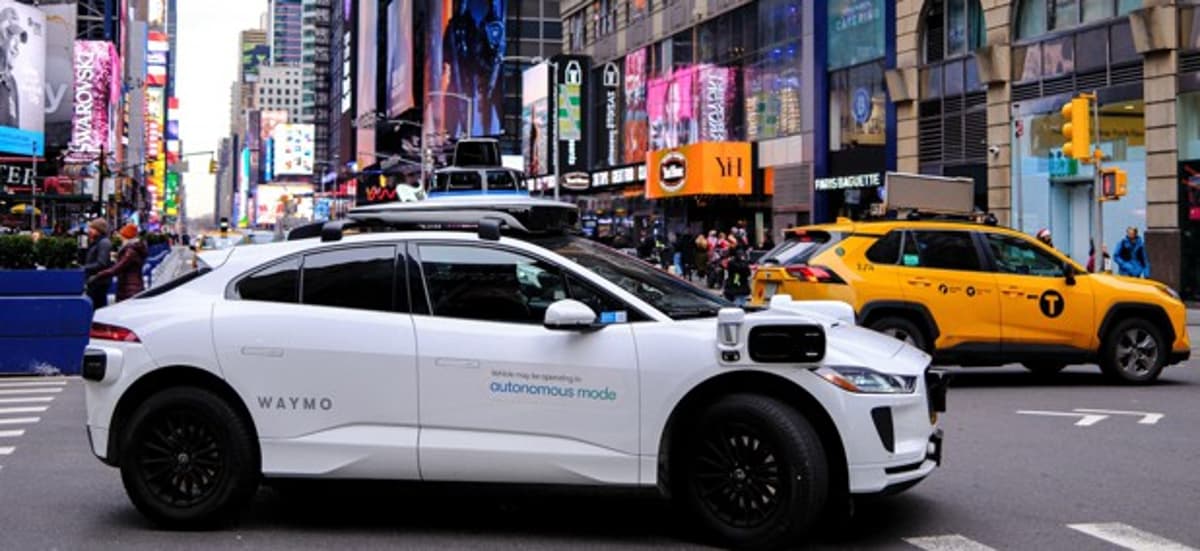
Across New York, Debate About the Inevitability of Driverless Cars Begins
Why It Matters
The decision will determine transportation policy, labor market impacts, and the speed of autonomous‑vehicle adoption in the nation’s largest ride‑hailing market.
Key Takeaways
- •Labor unions fear massive driver job losses from robotaxis.
- •Hochul’s robotaxi proposal collapsed due to insufficient stakeholder backing.
- •Waymo has invested $2.5 M lobbying New York officials since 2019.
- •Public polls show strong New York opposition to driverless taxis.
- •Safety claims face scrutiny amid limited independent data.
Pulse Analysis
New York’s autonomous‑vehicle debate reflects a broader national tension between technological optimism and labor protection. While Waymo and other tech firms argue that driverless cars can cut crashes, reduce congestion, and improve mobility for underserved populations, the state’s regulatory framework remains fragmented. The recent expiration of Waymo’s pilot permit and Governor Hochul’s retreat from a robotaxi rollout underscore the political calculus: without clear consensus from unions, legislators, and the public, even well‑funded pilots stall. This dynamic mirrors similar stalemates in California and Texas, where labor coalitions have successfully delayed or reshaped AV deployments through targeted legislation and public campaigns.
Union opposition in New York is rooted in concrete economic anxieties. The Transport Workers Union, Taxi Workers Alliance, and Teamsters warn that thousands of ride‑hailing and taxi drivers could become obsolete without a transition plan, training, or compensation. Waymo’s $2.5 million lobbying spend since 2019 illustrates the intensity of the corporate push, yet recent polls show a majority of New Yorkers remain wary of robotaxis, citing safety, privacy, and equity concerns. Lawmakers like Sen. Luis Sepúlveda are proposing bills that would mandate a human driver, reflecting a precautionary approach that seeks to balance innovation with job security.
The path forward likely involves incremental integration rather than a wholesale rollout. Proposals to license existing taxi medallions to autonomous fleets, create driver‑retraining programs, and demand transparent safety data could bridge the divide. Moreover, New York’s congestion‑pricing initiative and open‑streets movement add layers of complexity, questioning whether more cars—autonomous or not—align with the city’s long‑term vision of reduced vehicle traffic. As other megacities experiment with phased AV deployments, New York’s decisions will set a precedent for how technology, labor, and urban policy intersect in America’s most influential market.
Across New York, debate about the inevitability of driverless cars begins
Comments
Want to join the conversation?
Loading comments...