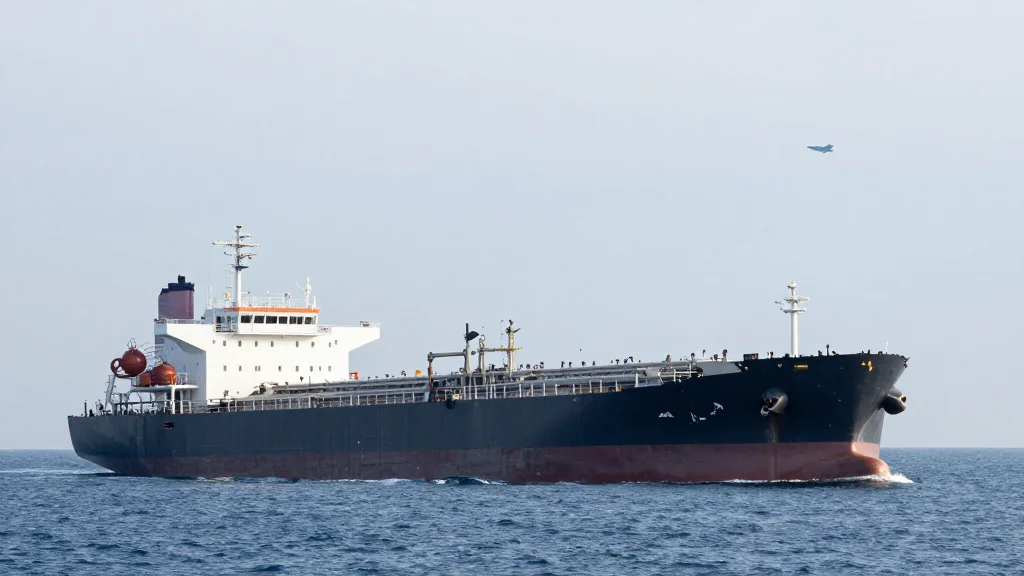
After US Airstrikes, Iran Declares Hormuz "Closed" To All Vessel Traffic
Why It Matters
The closure threatens a chokepoint that moves roughly 20% of global oil, potentially spiking prices and disrupting supply chains.
Key Takeaways
- •Iran declared Hormuz closed to all vessels, including tankers
- •U.S. launched two rounds of airstrikes after a downed helicopter
- •Iranian missiles targeted U.S. sites in Bahrain, Kuwait, Jordan
- •Oil futures rose as market fears supply disruption
Pulse Analysis
The Strait of Hormuz, a narrow 21‑mile channel between Oman and Iran, handles about 20% of the world’s petroleum shipments. Its strategic value makes any disruption a flashpoint for global markets. Over the past week, a cascade of military actions—starting with an Iranian drone downing a U.S. Army helicopter—has turned the waterway into a battlefield. Washington’s “proportionate” airstrikes on Iranian radar and air‑defense installations, followed by a second wave at President Trump’s request, illustrate a rapid escalation that has forced Tehran to declare the strait closed to all traffic, including oil tankers.
Energy traders responded swiftly. Brent crude futures ticked higher as investors priced in the risk of a prolonged closure, while insurers began revising war‑risk premiums for vessels that might attempt the transit. Shipping companies are exploring alternative routes, such as the longer Cape of Good Hope passage, despite higher fuel costs and longer delivery times. The heightened uncertainty also pressures inventories in key hubs like Cushing, Oklahoma, and could accelerate the shift toward strategic petroleum reserves if supply gaps widen.
Diplomatically, the situation underscores the fragility of any cease‑fire in the region. The United Nations has warned that “lesser fire” could quickly become “full fire,” urging all parties to pursue a negotiated settlement. A sustained closure would not only elevate oil prices but also ripple through global manufacturing, logistics, and consumer inflation. Stakeholders—from oil majors to multinational corporations—must monitor diplomatic channels closely while preparing contingency plans for supply chain disruptions.
After US Airstrikes, Iran Declares Hormuz "Closed" to All Vessel Traffic
Comments
Want to join the conversation?
Loading comments...