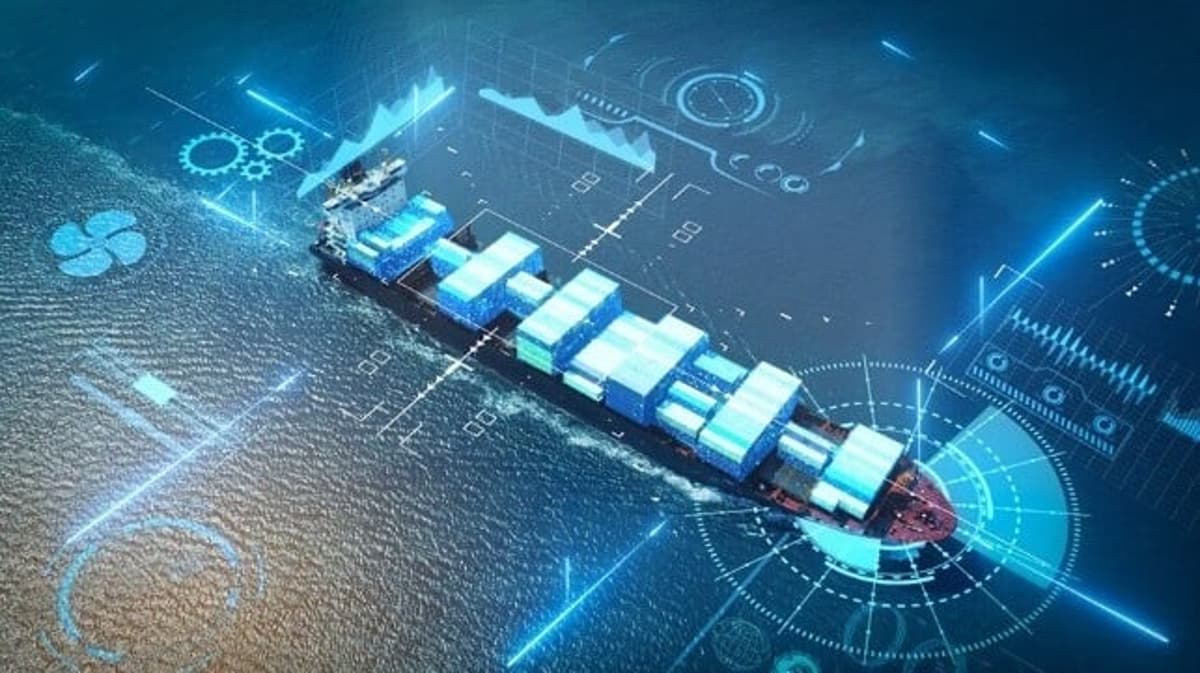
AI, Analytics, and Automation: The New Currents in Maritime Operations
•March 5, 2026
0
Why It Matters
Digitalization reduces compliance risk, cuts operational costs, and creates a competitive edge for shipowners facing labor scarcity and regulatory scrutiny. The ability to make data‑driven decisions at sea reshapes the industry's value chain.
Key Takeaways
- •Maritime digitization market to reach $361B by 2030
- •AI-driven rostering reduces crew fatigue and compliance risks
- •Hybrid onboard-cloud architecture ensures operations despite limited connectivity
- •API‑first ecosystems address integration debt across legacy systems
- •Labor shortage of 90k officers drives data‑driven workforce planning
Pulse Analysis
The maritime sector is undergoing a rapid digital overhaul, with market forecasts showing a compound annual growth rate above 10 percent. This surge is not merely speculative; it is anchored in concrete pressures such as stricter international labor conventions, an acute shortage of qualified officers, and the relentless demand for efficiency in global trade. As enterprises adopt integrated crew‑management suites—like DNV ShipManager Crewing and OneOcean’s COMPAS—data flows become continuous, enabling real‑time alerts for certification expiries, rest‑hour violations, and payroll anomalies.
Connectivity has long been the Achilles’ heel of seaborne IT, but emerging low‑Earth‑orbit constellations such as Starlink are compressing latency and bandwidth gaps. Modern platforms now employ a hybrid model: an onboard ledger captures transactions offline, while a replication layer syncs with cloud services once satellite links are available. This design preserves operational continuity and unlocks AI‑driven analytics that can forecast crew fatigue, predict maintenance needs, and suggest optimal routing, turning ships into moving data hubs rather than isolated islands.
Strategically, the shift toward API‑first ecosystems mitigates the chronic "integration debt" that hampers legacy fleets. By exposing secure REST interfaces, firms can layer new AI modules atop stable core systems without costly overhauls. Coupled with robust data‑governance, these modular architectures empower operators to address the looming 90,000‑officer shortfall through skill‑mapping, predictive staffing, and automated compliance. In the next decade, the most successful maritime companies will leverage clean, real‑time data as their core asset, gaining a competitive edge that transcends vessel size or fuel efficiency.
AI, Analytics, and Automation: The New Currents in Maritime Operations
0
Comments
Want to join the conversation?
Loading comments...