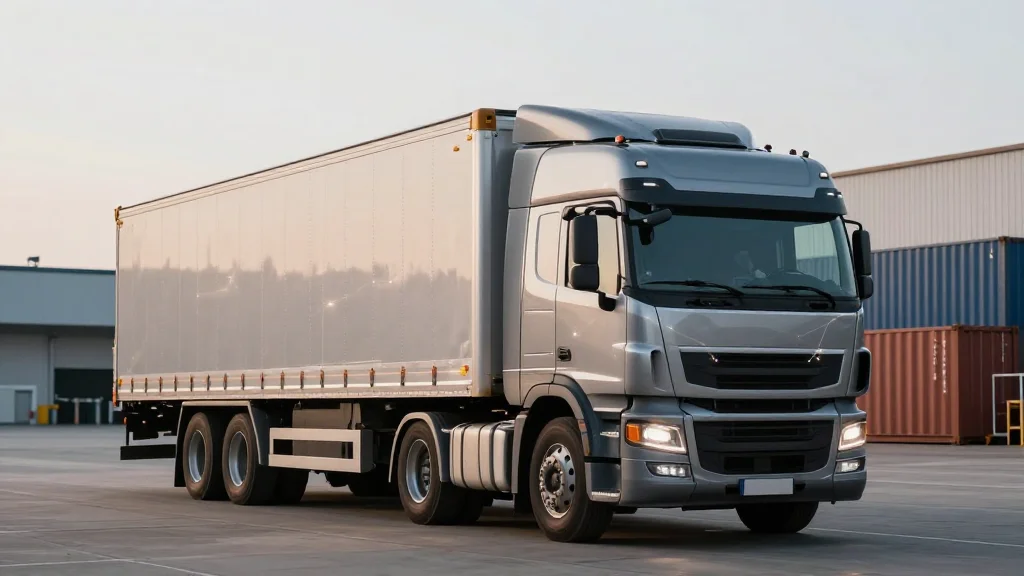
AI TMS Software: What It Does and How to Choose One
Companies Mentioned
Why It Matters
Embedding AI directly into the dispatch workflow eliminates friction, reduces deadhead mileage and boosts profitability for fleets operating thin margins, making AI TMS a competitive imperative.
Key Takeaways
- •AI TMS cuts load assignment time from minutes to seconds.
- •Native AI embeds recommendations directly in dispatcher workflow, eliminating friction.
- •Backhaul Booster auto‑books profitable return loads, reducing deadhead miles.
- •Mid‑market fleets (25‑500 trucks) see fastest ROI from AI TMS.
- •Vendors lacking trucking ops experience often deliver ineffective bolt‑on solutions.
Pulse Analysis
Traditional dispatch processes still rely on fragmented data—ELDs, spreadsheets, whiteboards—forcing dispatchers to piece together a complete picture manually. This disjointed workflow creates costly errors, such as assigning drivers without current hour limits or missing backhaul opportunities, which now represent 16.3% of all miles. With marginal costs of roughly $2.27 per mile, each empty mile erodes the thin 6% profit margins typical of mid‑market carriers, underscoring the urgent need for a unified, real‑time solution.
Native AI TMS platforms, like PCS’s Cortex, embed decision‑support directly into the dispatch screen, eliminating the extra step of switching to a separate recommendation tool. By analyzing over 36 live data points—driver location, HOS limits, equipment compatibility, lane history—the system instantly suggests the optimal driver or automatically assigns the load. Features such as the Load Opportunity Manager and Backhaul Booster proactively capture return freight and contact shippers before the truck idles, turning what was previously a manual, time‑consuming hunt into an automated revenue stream. This embedded approach reduces friction, shortens tender‑to‑dispatch cycles to seconds, and ensures exceptions are flagged in real time.
The market is rapidly moving toward AI‑driven supply chains; 94% of supply‑chain firms plan AI decision support within two years, yet only 23% have a formal strategy. For carriers with 25‑500 trucks, the sweet spot lies in solutions that combine native AI with robust accounting and integration capabilities, avoiding the high cost of enterprise systems while surpassing bolt‑on limitations. Implementations can be live within days thanks to cloud‑based architecture and pre‑built integrations with ELDs, fuel cards and load boards. Early adopters are already seeing a material ROI as backhaul capture improves load factor and deadhead mileage shrinks, positioning them ahead of competitors still stuck in spreadsheet‑driven dispatch.
AI TMS Software: What It Does and How to Choose One
Comments
Want to join the conversation?
Loading comments...