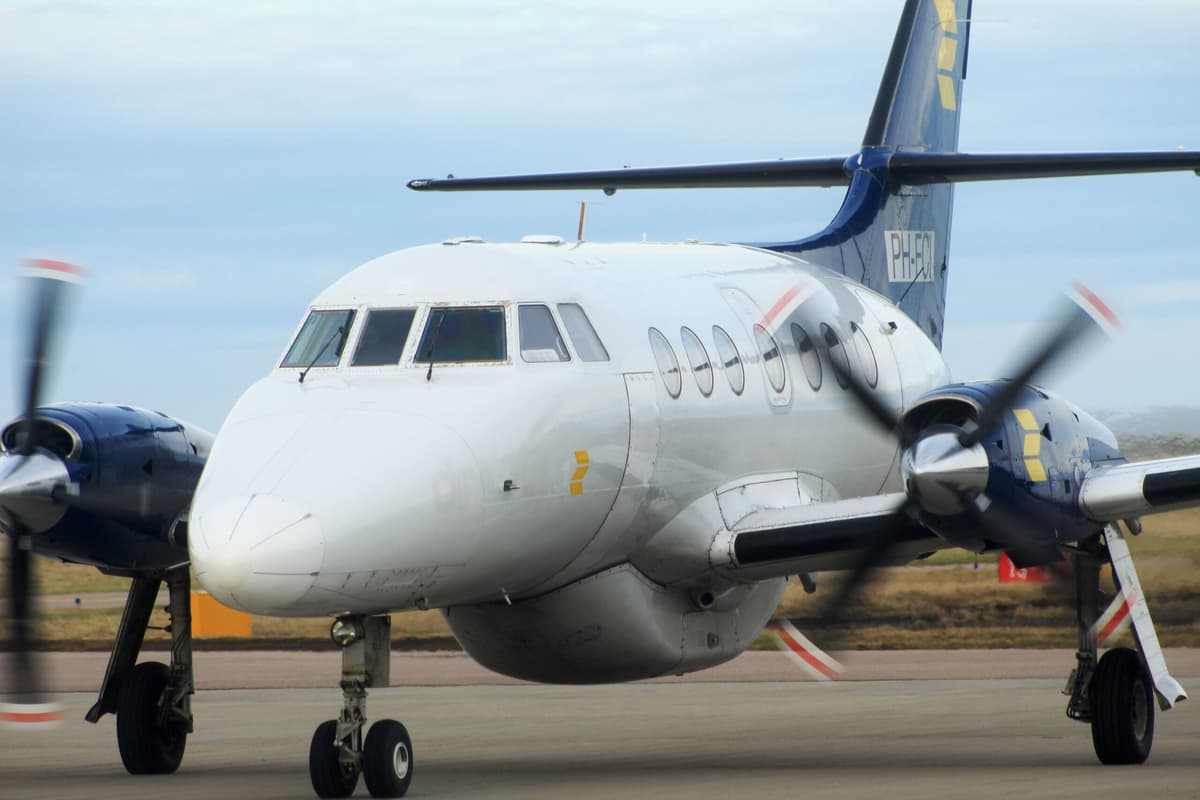
Air Charter Scotland Adds Capacity on Wick-Aberdeen Route
•March 6, 2026
0
Why It Matters
The increased capacity restores a vital transport link for Caithness, supporting regional connectivity and economic activity. It also demonstrates how flexible leasing and regulatory adjustments can sustain essential services in remote areas.
Key Takeaways
- •Added 10 seats daily with Jetstream J32.
- •Wet‑lease from AIS Airlines replaces King Air 200.
- •Service funded by Highland Council after Eastern Airways exit.
- •Flight time under one hour versus five‑hour drive.
- •Pilot licensing restrictions eased March‑October.
Pulse Analysis
Public Service Obligation routes like Wick‑Aberdeen are lifelines for remote Scottish communities, linking residents to essential services, education and commerce. When Eastern Airways pulled out in late 2025, the Highland Council faced a gap that threatened local economies. By contracting Air Charter Scotland, the council ensured continuity, while the introduction of a larger turboprop aligns capacity with growing seasonal demand, positioning the route as a catalyst for regional development.
The operational shift to a wet‑lease arrangement reflects broader industry trends where smaller carriers mitigate risk by sourcing aircraft and crew from established operators. AIS Airlines, an EASA‑certified Dutch carrier, supplies the Jetstream J32, allowing Air Charter Scotland to sidestep pilot licensing hurdles that previously barred European‑licensed crews. The temporary relaxation of restrictions from March to October further eases staffing constraints, highlighting how regulatory flexibility can sustain essential air services without compromising safety.
Beyond immediate connectivity, the enhanced service may stimulate tourism and business travel to Caithness, especially as spring brings milder weather and outdoor activities. Faster, more reliable flights at competitive fares could attract visitors who previously endured a five‑hour drive, boosting local hospitality revenues. The move also signals to other regional operators that strategic leasing and partnership models can unlock growth opportunities on underserved routes, a pattern likely to shape the future of UK regional aviation.
Air Charter Scotland adds capacity on Wick-Aberdeen route
0
Comments
Want to join the conversation?
Loading comments...