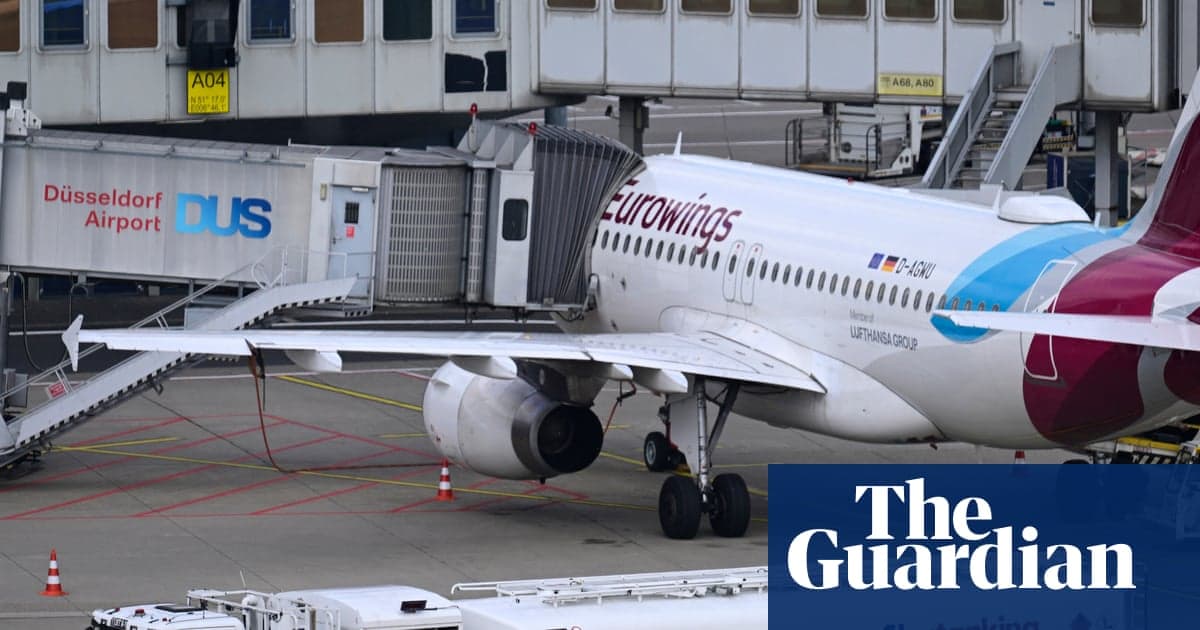
Air Fare Rises ‘Inevitable’ as Airlines Face Extra $100bn Jet Fuel Bill This Year
Companies Mentioned
Why It Matters
Higher ticket prices will reshape demand and profitability across the airline sector, while regulatory hurdles could further impact travel flows and competitive dynamics.
Key Takeaways
- •Jet fuel costs surge $100 bn, 70% price increase in 2026
- •IATA projects global airline profit halving to $23 bn this year
- •Long‑haul and premium fares expected to absorb most price hikes
- •Half of passengers say they’ll pay higher fares for continued travel
- •EU’s new entry‑exit system may cause longer airport queues for travelers
Pulse Analysis
The jet‑fuel shock hitting airlines in 2026 stems from geopolitical turbulence in the Middle East, notably the closure of the Strait of Hormuz after the Iran‑Israel confrontation. With crude oil prices climbing, jet‑fuel benchmarks have jumped roughly 70 percent, translating into an additional $100 billion in operating costs for the global airline sector. Unlike the pandemic‑induced demand collapse, this surge is a cost‑side shock that cannot be offset by fuel‑efficiency gains alone, forcing carriers to reassess their balance sheets.
Faced with a $100 bn fuel bill, IATA forecasts worldwide airline profit to shrink to $23 bn, about half of last year’s level. To preserve margins, carriers are expected to pass most of the expense onto passengers, with long‑haul and business‑class tickets bearing the brunt. Market surveys indicate roughly 50 percent of travelers are willing to absorb higher fares, especially on routes where alternatives are limited. Nonetheless, the price elasticity of leisure demand could suppress growth in short‑haul markets, prompting airlines to re‑price selectively.
Beyond pricing, regulatory headwinds add complexity. The European Union’s entry‑exit system, slated for full biometric rollout by 7 September, threatens to lengthen processing times and could deter inbound tourism, especially from the UK and the United States. Airlines with strong premium networks may leverage higher yields, while low‑cost carriers could face a tougher competitive environment. In the medium term, industry analysts expect a gradual return to pre‑shock fuel cost structures, but the episode underscores the vulnerability of airline economics to geopolitical supply disruptions.
Air fare rises ‘inevitable’ as airlines face extra $100bn jet fuel bill this year
Comments
Want to join the conversation?
Loading comments...