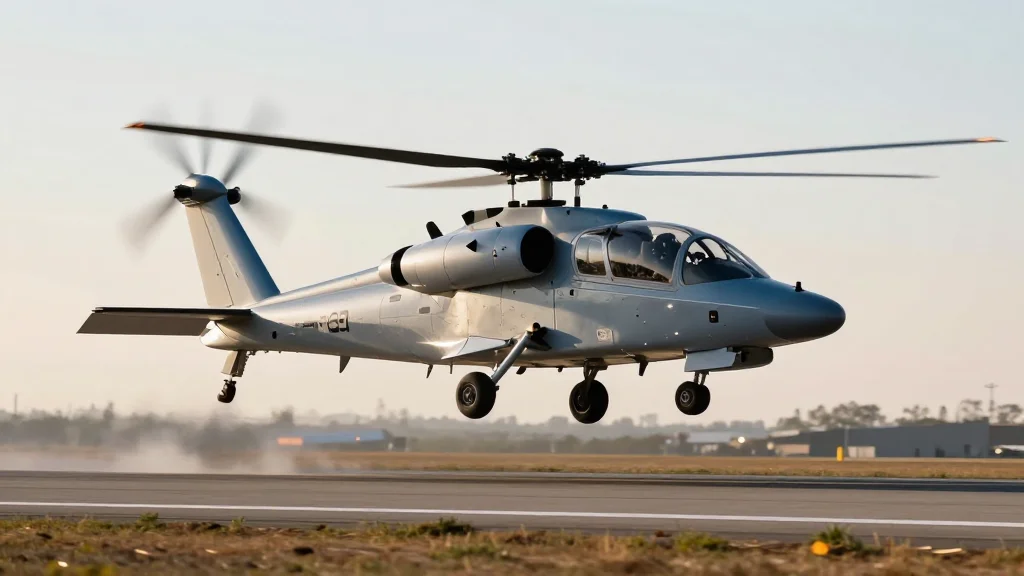
Air Force Greenlights T-7A Red Hawk for Production Following Milestone C
Why It Matters
The production green light accelerates the Air Force’s trainer modernization, reducing operational costs and ensuring pilots are ready for fifth‑generation fighters. It also secures a major industrial contract for the U.S. aerospace supply chain.
Key Takeaways
- •Air Force approved full‑rate production of the T‑7A trainer
- •Program aims to replace aging T‑38 fleet by 2027
- •Contract valued at roughly $2.5 billion for 351 aircraft
- •Boeing and Saab will deliver aircraft from South Carolina plant
- •New trainer features modern avionics and low‑cost operations
Pulse Analysis
The T‑7A Red Hawk represents the Air Force’s most significant trainer acquisition in decades, designed to bridge the gap between basic flight instruction and advanced fighter platforms. By achieving Milestone C, the program moves from development into sustained production, a transition that validates the aircraft’s performance, safety, and maintainability metrics gathered during extensive flight‑test campaigns. The Red Hawk’s digital cockpit, open‑architecture avionics, and low‑cost engine combine to deliver a training environment that mirrors the sensor‑heavy, network‑centric nature of modern combat jets, preparing pilots for aircraft such as the F‑35 and F‑22.
Beyond the cockpit, the production decision carries substantial economic implications. Boeing’s South Carolina plant, already a hub for military aircraft manufacturing, will see a surge in labor demand, supporting thousands of skilled jobs across the region. The $2.5 billion contract also injects steady revenue into the domestic aerospace supply chain, benefiting subcontractors that provide composite structures, avionics, and engine components. This domestic focus aligns with broader defense‑industrial policy aimed at reducing reliance on foreign sources for critical defense platforms.
Strategically, the T‑7A’s entry into service accelerates the Air Force’s broader modernization timeline. The aging T‑38 fleet, with limited avionics and high operating costs, has constrained training throughput. The Red Hawk’s higher sortie rate and reduced per‑flight expense free up resources for advanced simulation and live‑fire exercises, enhancing overall pilot readiness. As the Air Force prepares for future conflicts that demand rapid adaptation to new technologies, a modern trainer fleet ensures that the next generation of aviators can transition seamlessly into the high‑performance, networked warfighting environment of tomorrow.
Air Force greenlights T-7A Red Hawk for production following Milestone C
Comments
Want to join the conversation?
Loading comments...