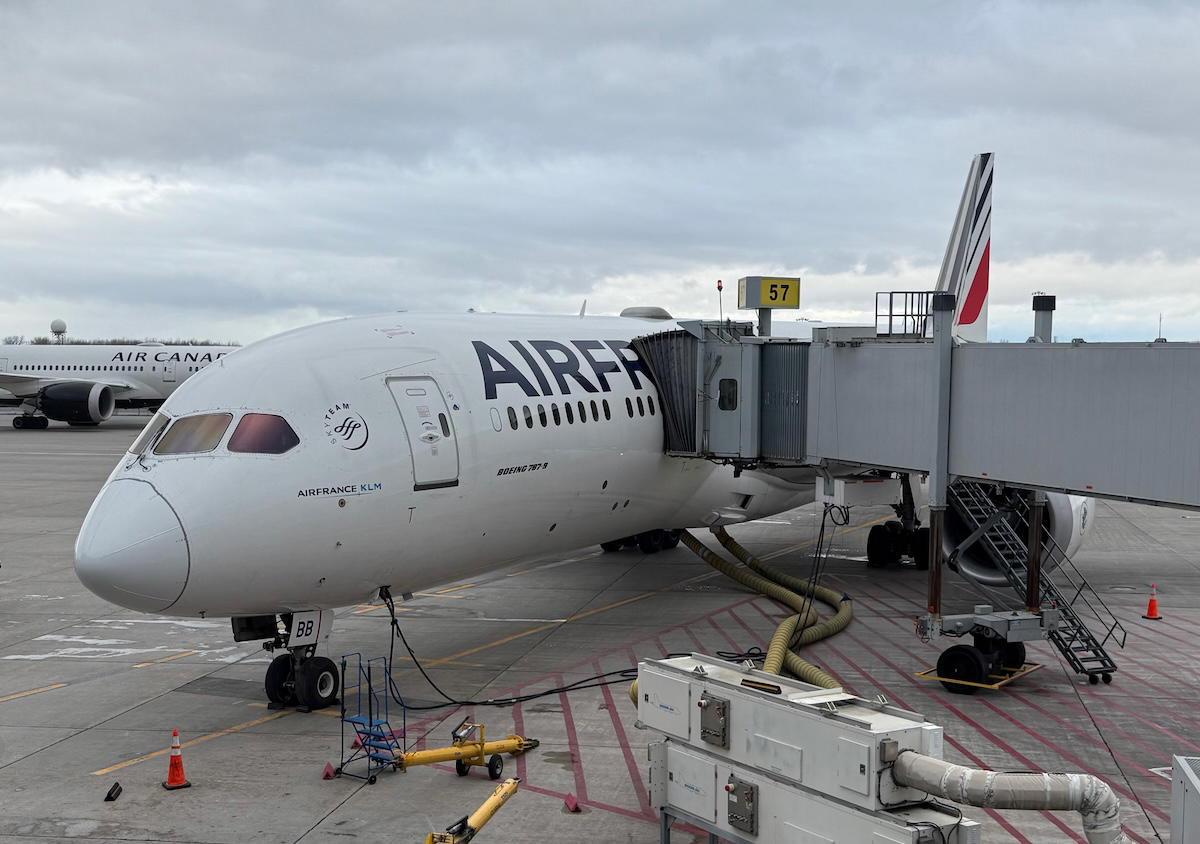
Air France-KLM CEO Schools Lufthansa Group CEO On Labor Relations
Companies Mentioned
Why It Matters
Strong labor relations directly affect airline reliability, cost structure, and regulatory approval, making them a critical competitive edge in the TAP acquisition. Investors and governments will likely favor carriers that can guarantee operational stability and employee cooperation.
Key Takeaways
- •Lufthansa faced three consecutive strikes, grounding planes for five days.
- •Air France‑KLM has avoided major industrial action since 2018.
- •Ben Smith linked labor peace to Air France's $1.08 billion strike cost savings.
- •TAP pilots favor Air France‑KLM over Lufthansa due to union concerns.
- •Lufthansa’s cost‑cutting subsidiary strategy fuels employee distrust.
Pulse Analysis
Labor relations have moved from a peripheral concern to a strategic differentiator in European aviation. While Lufthansa’s recent cascade of pilot and cabin‑crew strikes forced the group to suspend flights and even shutter a subsidiary, Air France‑KLM has enjoyed eight uninterrupted years without major industrial action. Ben Smith attributes this stability to a collaborative mindset, higher‑pay contracts for former low‑cost carrier staff, and a genuine respect for union partners. The result is not just smoother operations but a tangible financial benefit—roughly €1 billion (≈$1.08 billion) saved from avoided strike costs since 2018.
The ongoing privatization of TAP Air Portugal has turned the labor narrative into a bargaining chip. Both Air France‑KLM and Lufthansa have signaled interest, but TAP’s pilots’ union, SPAC, has voiced strong reservations about a Lufthansa takeover, fearing the continuation of aggressive cost‑cutting and workforce disruptions. Smith has leveraged Air France‑KLM’s record to reassure the Portuguese government that a partnership would preserve TAP’s workforce morale and flight reliability, factors that are increasingly scrutinized by regulators and public stakeholders in cross‑border deals.
Beyond TAP, the episode underscores a broader shift in airline consolidation across Europe. As carriers seek scale through mergers and acquisitions, the ability to maintain harmonious labor relations becomes a valuation metric akin to balance‑sheet strength or route network synergies. Investors are rewarding airlines that demonstrate operational resilience and low labor risk, while regulators may impose stricter conditions on deals involving companies with a history of disruptive strikes. In this environment, Lufthansa’s labor challenges could not only jeopardize the TAP opportunity but also affect its standing in future consolidation talks, whereas Air France‑KLM’s labor peace positions it as a more attractive partner for strategic growth.
Air France-KLM CEO Schools Lufthansa Group CEO On Labor Relations
Comments
Want to join the conversation?
Loading comments...