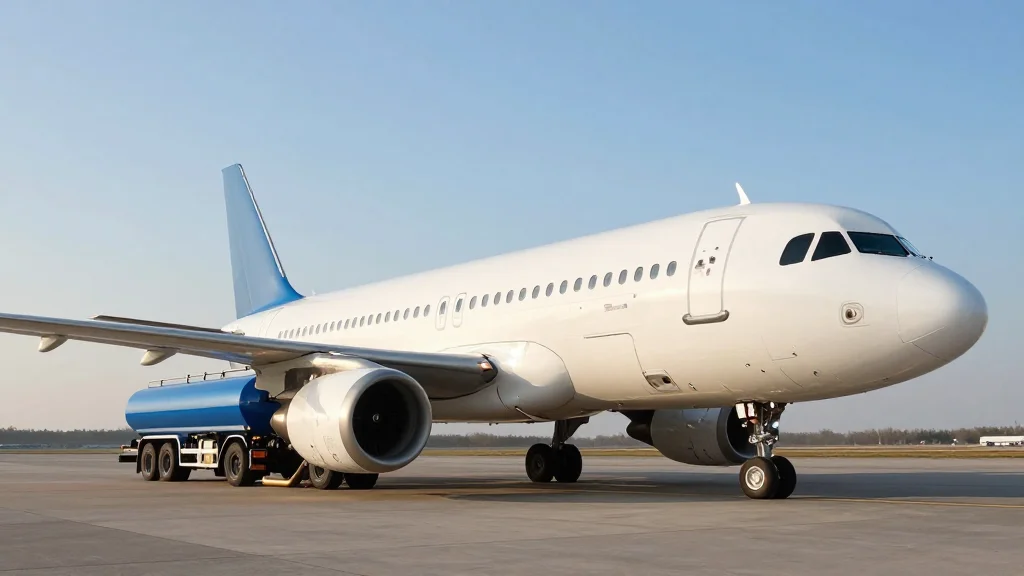
Air France-KLM Flags Secure Summer Jet Fuel Supply
Companies Mentioned
Why It Matters
Stable jet‑fuel supply enables airlines to keep summer schedules intact, protecting revenue and limiting fare spikes for travelers. It also signals that the European aviation market is adapting to geopolitical supply shocks, reducing the risk of widespread flight cancellations.
Key Takeaways
- •Air France‑KLM confirms stable jet fuel for July‑August peak
- •European refinery output and US/Nigeria imports offset Hormuz closure
- •Jet fuel prices hover below $1,200/ton, still 50% above pre‑war levels
- •Lufthansa, Ryanair, Jet2 also report no supply risks
- •Potential refinery outages could still trigger localized shortages
Pulse Analysis
The summer travel season traditionally strains jet‑fuel logistics, and the abrupt shutdown of the Strait of Hormuz earlier this year reignited fears of a Europe‑wide shortage. Air France‑KLM, the continent’s second‑largest carrier, used its June 3 briefing to reassure investors and passengers that fuel availability at its Paris‑Charles de Gaulle and Amsterdam Schiphol hubs remains robust for July and August. Chief executive Benjamin Smith highlighted “positive indicators” across the supply chain, signaling that the airline can keep its full summer schedule without resorting to flight reductions or price‑sensitive route cuts.
That optimism rests on a reshaped supply picture. European refineries have lifted output, while strategic stockdraws and a surge in imports from the United States and Nigeria have compensated for the lost Middle‑Eastern flow. The combined effect pushed jet‑fuel benchmarks below $1,200 per metric ton, the lowest level since the onset of the US‑Iran conflict, yet the price still sits roughly 50 % above pre‑war averages. The price dip eases cost pressures for carriers, but the market remains tight, with limited spare capacity to absorb shocks.
Analysts caution that the calm could be short‑lived. Unplanned refinery outages or renewed geopolitical tension could instantly curtail supplies to individual airports, forcing airlines to adjust schedules or seek costly alternative sourcing. Moreover, Europe now competes with Asia and the Middle East for the same pool of imported fuel, keeping price volatility elevated for the next several months. For airlines, the priority will be vigilant monitoring and flexible contingency planning, while passengers may still see modest fare premiums reflecting the lingering risk premium embedded in jet‑fuel costs.
Air France-KLM flags secure summer jet fuel supply
Comments
Want to join the conversation?
Loading comments...