Air Freight Jumps 12% as Tariffs Reshape Supply Chains
Why It Matters
Higher‑cost air freight and nearshoring reshape trade flows, pressuring logistics providers and prompting firms to adopt more agile, technology‑driven supply‑chain strategies.
Key Takeaways
- •Air freight volumes rose ~12% as tariffs push faster shipping.
- •Ocean shipping share fell 10‑12% and has not rebounded.
- •Truck shipments grew ~8% driven by nearshoring and shorter routes.
- •Consolidated shipments increased value 78% while entry counts dropped 7%.
Pulse Analysis
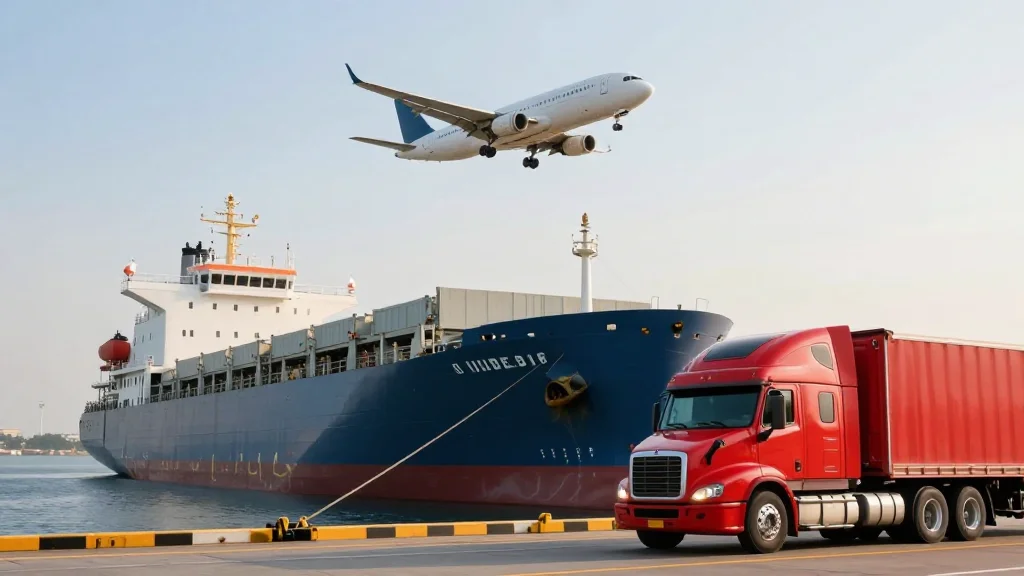
Tariff escalations are no longer a peripheral cost; they are a catalyst reshaping global logistics. Infios’ analysis of over one million U.S. customs entries reveals a pronounced pivot toward air freight, which climbed about 12 percentage points as companies prioritize speed and reliability amid trade uncertainty. At the same time, ocean freight’s market share contracted by roughly the same margin, signaling that traditional bulk routes are losing favor when tariffs threaten cost predictability. This modal shift underscores a broader trend: firms are consolidating shipments, driving up average shipment value by 78% while reducing total entry counts, a clear sign of tighter inventory strategies.
The ripple effects extend beyond the skies. Truck transportation experienced an 8‑point uplift, fueled by nearshoring initiatives that bring production closer to U.S. markets and shorten last‑mile distances. Bonded warehouse utilization also rose, reaching 16‑18% of entries, as companies seek buffer stock to mitigate tariff volatility. Logistics providers that can seamlessly integrate air, truck, and warehousing services are positioned to capture new demand, while ocean carriers must innovate with flexible pricing and routing to stay relevant. The growing complexity of tariff classifications—nearly doubling—further pressures firms to adopt advanced analytics and automation.
For executives, the takeaway is clear: agility is now a competitive advantage. Early detection of tariff shifts, rapid scenario modeling, and the ability to reconfigure execution paths can differentiate winners from laggards. Investing in digital trade platforms, AI‑driven classification tools, and multimodal visibility will help firms navigate the evolving trade landscape. As tariffs continue to influence cost structures, the supply chain of the future will be less about static routes and more about dynamic, data‑rich networks that balance speed, cost, and risk.
Air Freight Jumps 12% as Tariffs Reshape Supply Chains
Comments
Want to join the conversation?
Loading comments...