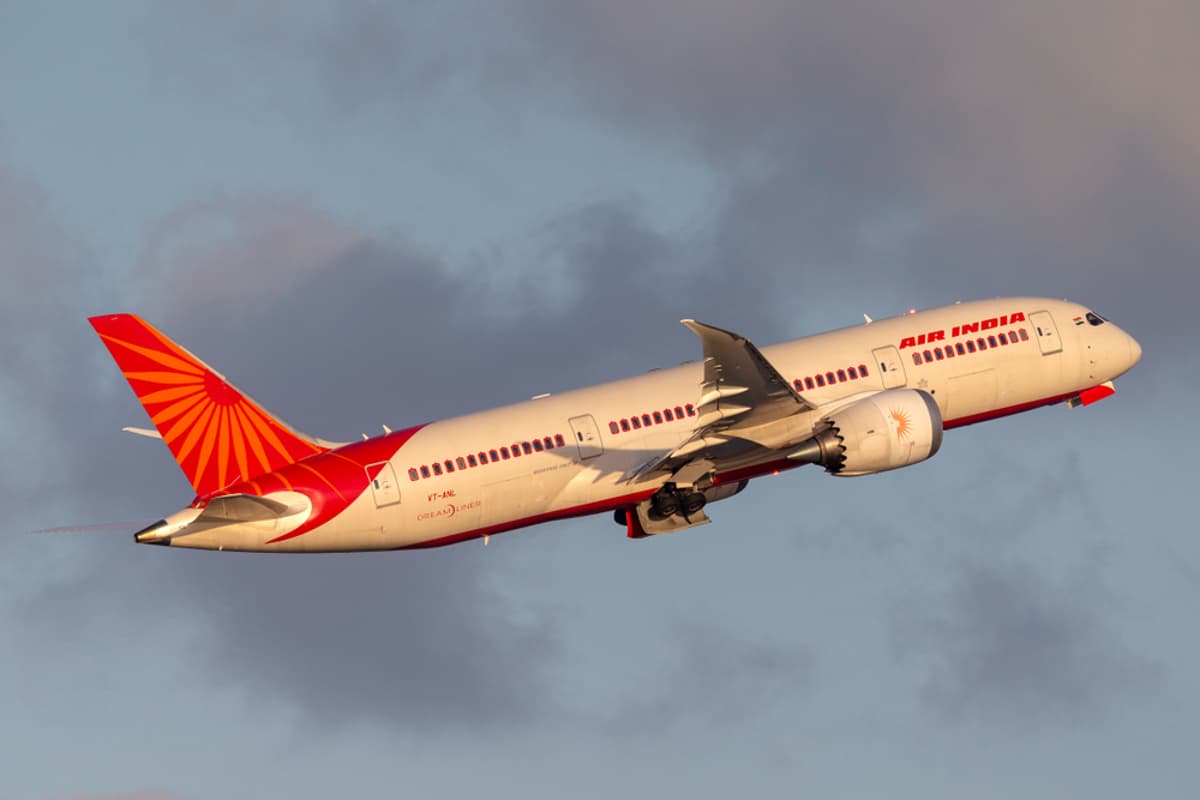
Air India Final Report Expected To Be Delayed
Companies Mentioned
Why It Matters
The delay underscores lingering uncertainties about a critical engine control failure that could affect Boeing 787 safety worldwide, prompting airlines and regulators to reassess inspection protocols.
Key Takeaways
- •Final report delayed past one‑year anniversary due to engine analysis.
- •GEnx engine fuel‑control switch issue remains under investigation.
- •Interim statement expected on anniversary while full report finalizes.
- •Air India completed precautionary inspections, found no faults on fleet.
- •2018 FAA bulletin on switch lock disengagement was advisory, not mandatory.
Pulse Analysis
The Air India Flight 171 tragedy remains a stark reminder of how a single cockpit action can cascade into a catastrophic loss. International aviation norms call for a final accident report within a year, but the ongoing forensic work on the GEnx powerplants has pushed the deadline beyond the June 12 anniversary. This delay is not merely bureaucratic; it reflects the complexity of modern engine diagnostics, especially when a fuel‑control switch—intended to be fail‑safe—behaved unpredictably during takeoff.
Technical scrutiny now centers on the GEnx’s fuel‑control unit and the 2018 FAA Special Airworthiness Information Bulletin that warned of a possible disengagement of the switch‑locking feature. While the bulletin was advisory, airlines were not compelled to act, and Air India admitted its own inspections were incomplete at the time of the crash. The preliminary report’s audio capture of pilots questioning the sudden cutoff adds a human factor dimension, suggesting procedural gaps that could be mitigated through enhanced training and cockpit resource management.
For the broader industry, the incident raises questions about the reliability of critical engine components across the Boeing 787 and 737 families. Air India’s recent fleet‑wide precautionary checks, which found no defects, may reassure passengers but also highlight the need for proactive, mandatory inspections rather than reliance on advisories. Regulators worldwide are likely to revisit certification standards for fuel‑control systems, and airlines may accelerate retrofits to ensure the locking mechanisms are robust. The forthcoming interim statement will set the tone for these regulatory conversations, while the final report will provide the technical roadmap for preventing a repeat of this devastating event.
Air India Final Report Expected To Be Delayed
Comments
Want to join the conversation?
Loading comments...