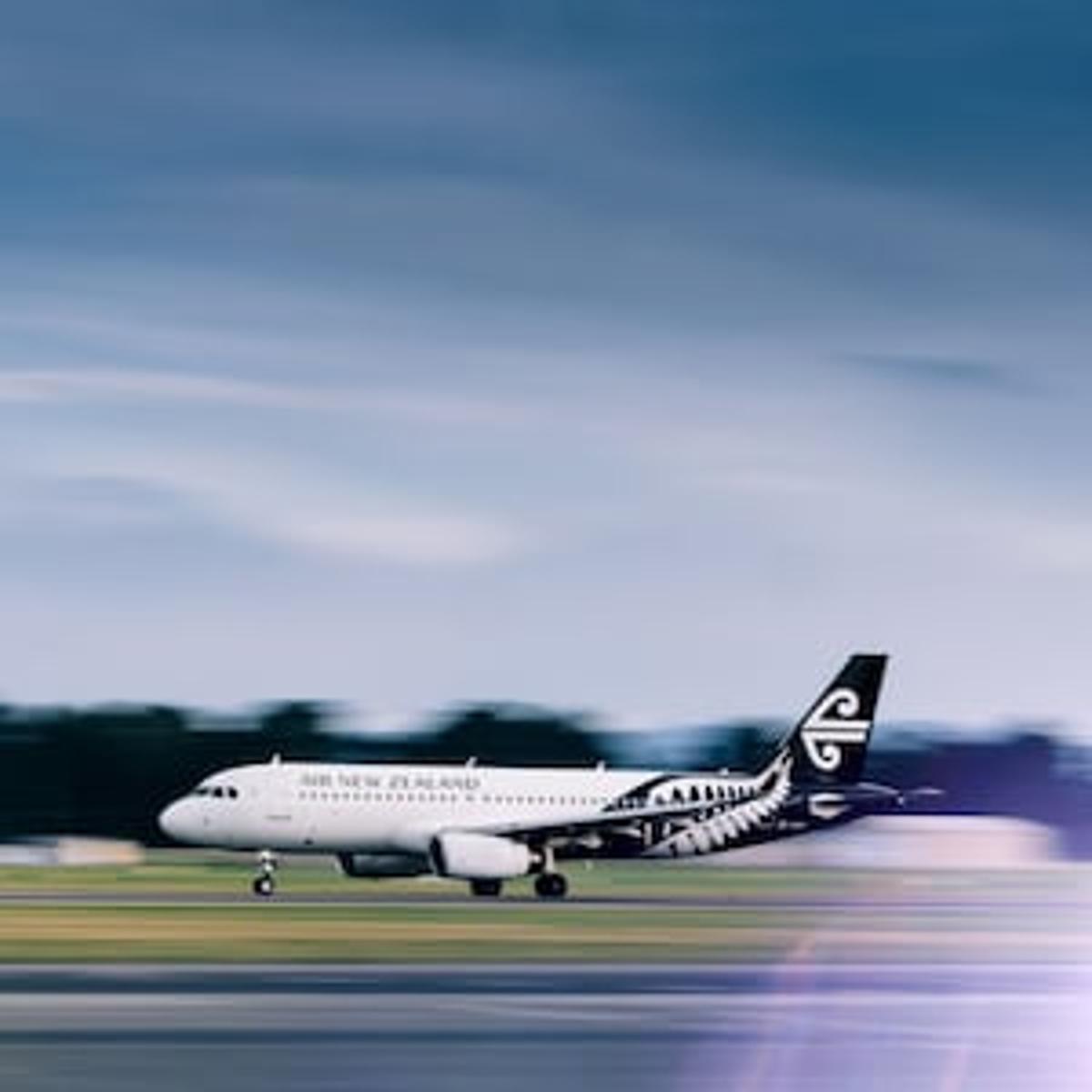
Air New Zealand Is the Worst of Both Worlds – Nick Stewart
Why It Matters
If the carrier cannot restore profitability, the government may need to inject public capital, directly impacting taxpayers and New Zealand’s strategic aviation asset. The situation also underscores how fuel volatility and ownership models can destabilize airlines worldwide.
Key Takeaways
- •Jet fuel price doubled, pushing daily costs to $8.5 million
- •FY 2026 loss projected at NZ$226 million (~US$135 million)
- •Share price fell to NZ$0.48, near 52‑week low
- •Business class seats lack privacy; $820 upgrade for a door
- •Potential government capital raise could burden taxpayers
Pulse Analysis
The airline industry is feeling the heat of an unprecedented fuel price surge. Crude oil benchmarks have climbed from roughly $85‑90 a barrel to over $200, inflating jet‑fuel expenses for carriers worldwide. For Air New Zealand, the impact is stark: a daily fuel bill that jumped from $4 million to $8.5 million, eroding margins that were already thin after pandemic‑related disruptions. This cost shock is not isolated; carriers from United to Ryanair are scrambling to adjust schedules, trim capacity, and hedge against further volatility, highlighting how fuel remains the single largest variable in airline economics.
Compounding the cost challenge is Air New Zealand’s hybrid ownership structure. With the government holding a 50.1 % stake, the airline enjoys implicit bailout guarantees and preferential contracts, yet it lacks the rigorous market discipline that fully private competitors face. This limbo hampers decisive cost‑cutting and strategic agility, while also shielding shareholders from the full fallout of poor performance. Comparisons to wholly state‑run carriers like Singapore Airlines, which operate under clear public mandates, and private rivals such as Qantas, which are driven by shareholder returns, illustrate the governance gap that can dilute service quality and financial resilience.
Looking ahead, the carrier faces a crossroads. Analysts warn that without a fresh capital injection—potentially a government‑backed raise or a move toward full privatization—Air New Zealand may continue to post losses, forcing further fare hikes and service reductions. For New Zealand travelers, the stakes are high: limited alternatives, especially with regional disruptions, could lock consumers into higher‑priced, less‑comfortable flights. Policymakers must weigh the fiscal risk of another taxpayer cheque against the strategic value of a national airline, while the market watches to see whether a decisive ownership shift can restore competitiveness and protect the public interest.
Air New Zealand is the worst of both worlds – Nick Stewart
Comments
Want to join the conversation?
Loading comments...