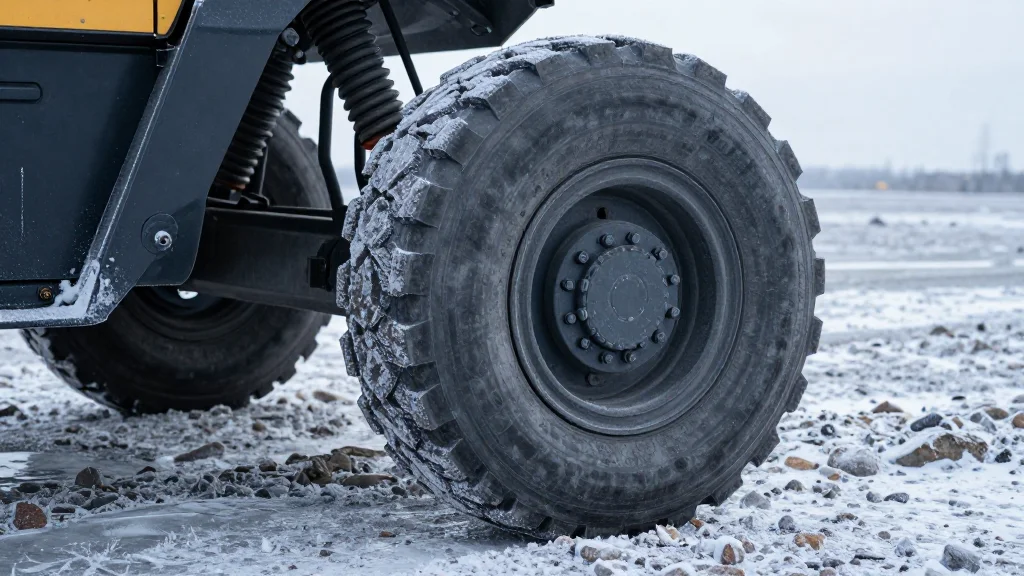
Air Suspension Wheel Passes Tough Test
Why It Matters
The innovation tackles growing sustainability pressures in mining by reducing waste and emissions, delivering cost savings and regulatory benefits for operators.
Key Takeaways
- •GACW's air suspension wheel survived Minnesota's subzero testing.
- •Design reduces tyre waste by up to 30% in mining fleets.
- •Technology promises lower fuel consumption and vibration for heavy equipment.
- •Field trials pave way for commercial rollout in 2027.
Pulse Analysis
Mining operations worldwide are grappling with the environmental and financial toll of disposable tyres. Traditional steel‑capped tyres generate significant landfill waste and require frequent replacement, inflating operating costs and carbon footprints. As ESG criteria tighten and regulators push for greener practices, manufacturers are racing to develop solutions that extend tyre life and improve equipment efficiency.
The air‑suspension wheel from Global Air Cylinder Wheels represents a shift from conventional rubber‑on‑steel designs to a lightweight, pressurised system that absorbs shocks and distributes loads more evenly. During the Minnesota trials, the wheel endured temperatures well below freezing and sustained heavy loads typical of surface and underground haul trucks. Early data suggest a 15‑20% reduction in fuel burn due to smoother ride dynamics, while the flexible suspension cuts vibration, potentially extending component lifespan across the haulage fleet.
If GACW’s projected 2027 market launch proceeds on schedule, the technology could reshape equipment procurement strategies for major miners. Lower tyre turnover translates to reduced capital expenditures and waste disposal fees, while the fuel savings contribute directly to decarbonisation targets. Early adopters may also gain a competitive edge in jurisdictions with strict environmental reporting, positioning the air‑suspension wheel as a catalyst for broader sustainability initiatives in the mining sector.
Air suspension wheel passes tough test
Comments
Want to join the conversation?
Loading comments...