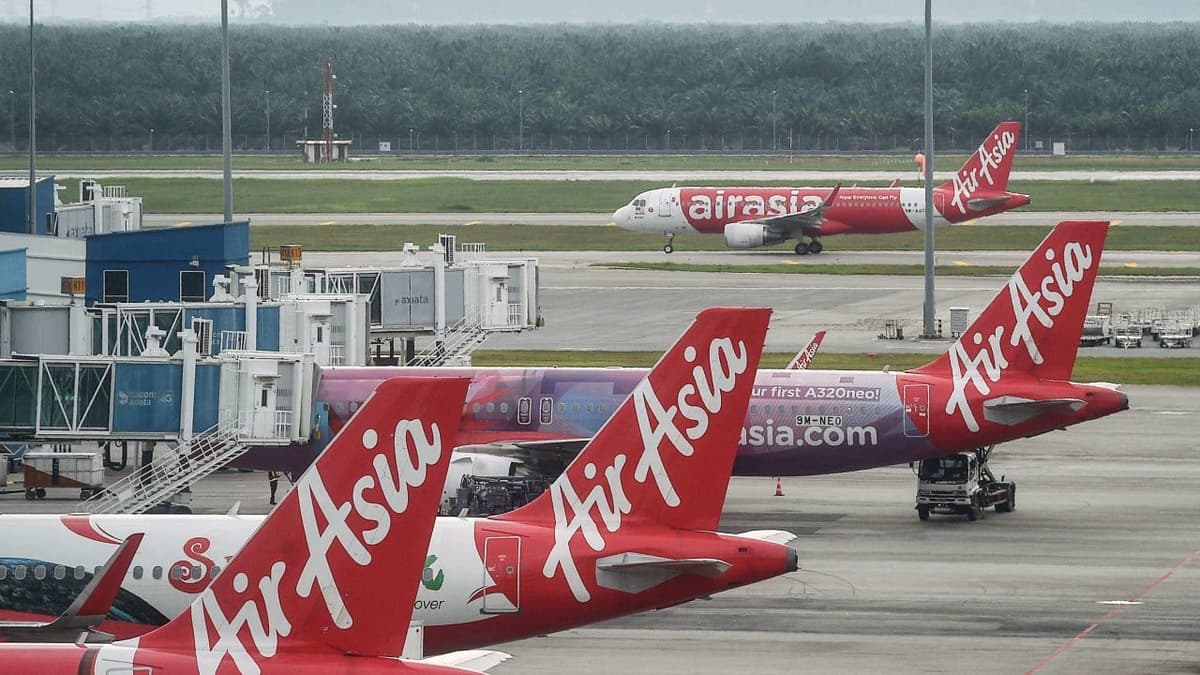
AirAsia Denies Philippine Flight Grounding Claims, Slams ‘Smear Campaign’
Companies Mentioned
Why It Matters
The denial safeguards AirAsia’s market reputation and signals that competition in the Philippine aviation sector remains intact, preventing potential fare hikes from reduced airline choices. It also reassures investors that the airline’s Philippine operations are not at risk of suspension.
Key Takeaways
- •AirAsia X refutes grounding rumors, calls them a coordinated smear.
- •Philippine regulator allegedly issued cease‑and‑desist over $4.3 M unpaid bill.
- •Airline confirms all Z2 flights operate normally across the network.
- •Fernandes highlights serving ~7 million Philippine passengers annually.
- •Claims suggest broader battle over market dominance and fare pricing.
Pulse Analysis
AirAsia’s low‑cost model has reshaped air travel in the Philippines, moving roughly seven million passengers each year on its Z2 brand. The carrier’s rapid expansion coincided with a fragmented market dominated by legacy airlines and a handful of regional players. In recent months, the Civil Aviation Authority of the Philippines (CAAP) reportedly issued a cease‑and‑desist order linked to an alleged unpaid bill of 270 million pesos (about $4.3 million). Such regulatory actions are rare but can trigger swift operational reviews, especially for airlines that rely on tight margins.
The airline’s swift rebuttal frames the incident as a “deliberate smear campaign” aimed at curbing competition. By portraying the narrative as a tactic to create a monopoly, AirAsia seeks to rally public sentiment and pre‑empt any consumer backlash that could arise from perceived service disruptions. In markets where price sensitivity is high, rumors of grounding can depress demand and give rivals an advantage. The company’s emphasis on continued flight schedules serves both as a reassurance to travelers and a signal to investors that its Philippine operations remain financially viable.
Looking ahead, the episode underscores the delicate balance between regulatory compliance and market share in Southeast Asia’s aviation sector. If the alleged debt is settled, AirAsia can maintain its aggressive pricing strategy, which pressures incumbents to keep fares low. Conversely, prolonged disputes could invite stricter oversight, potentially reshaping route allocations and slot availability. For investors, the airline’s ability to navigate the controversy without service interruption reinforces confidence in its resilience, while consumers stand to benefit from sustained competition that deters fare spikes.
AirAsia denies Philippine flight grounding claims, slams ‘smear campaign’
Comments
Want to join the conversation?
Loading comments...