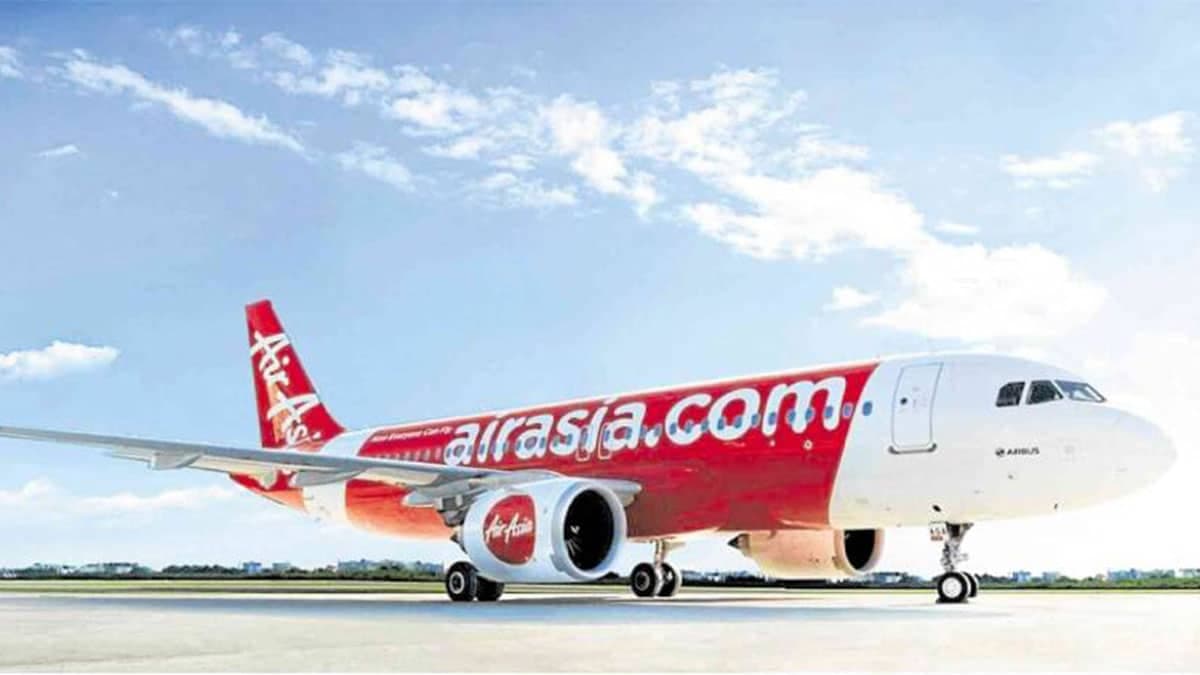
AirAsia Pays Dues, Avoids Exit From Gov’t Airports
Why It Matters
The settlement preserves AirAsia’s access to the Philippines’ primary airport network, safeguarding its low‑cost market share and supporting its growth strategy in a competitive region.
Key Takeaways
- •AirAsia settled ₱272 million (~$5 million) before June 6 deadline
- •Avoided forced exit from all 44 CAAP‑run airports
- •AirAsia plans fleet expansion and new aircraft deployments in Philippines
- •Regulator praised airline’s cooperation after prolonged unpaid navigation fees
- •AirAsia denies smear campaign, asserts commitment to Philippine market
Pulse Analysis
The Civil Aviation Authority of the Philippines (CAAP) has long used airport fee compliance as a lever to enforce safety and financial standards across its 44 facilities. When AirAsia Philippines fell behind on navigation, landing and passenger service charges, CAAP issued a cease‑and‑desist order that could have barred the carrier from all government‑run airports except a handful of privately managed hubs. By settling the roughly $5 million debt just before the June 6 deadline, AirAsia not only avoided an operational shutdown but also demonstrated the regulator’s willingness to enforce fiscal discipline while allowing room for negotiation.
AirAsia’s swift payment carries strategic weight in the Southeast Asian low‑cost carrier (LCC) arena. The airline operates in six of CAAP’s airports, a network crucial for its high‑frequency, short‑haul model. Maintaining access to these hubs preserves its competitive edge against rivals such as Cebu Pacific and Philippine Airlines, which are also expanding capacity. Moreover, the airline’s public commitment to fleet growth signals confidence in the Philippine market’s recovery post‑pandemic, suggesting that the carrier expects sustained passenger demand and is positioning itself to capture a larger share of the region’s burgeoning travel traffic.
The episode underscores broader trends in aviation finance where regulators increasingly tie airport usage rights to timely fee settlements. For carriers, cash‑flow management and proactive engagement with authorities are becoming as vital as route planning. In the Philippines, where airport infrastructure is state‑controlled, airlines that navigate these fiscal expectations can secure long‑term slots and influence future airport development projects. AirAsia’s resolution of its debt, coupled with its expansion plans, may set a benchmark for other LCCs seeking to balance growth ambitions with regulatory compliance in a market that is both price‑sensitive and rapidly evolving.
AirAsia pays dues, avoids exit from gov’t airports
Comments
Want to join the conversation?
Loading comments...