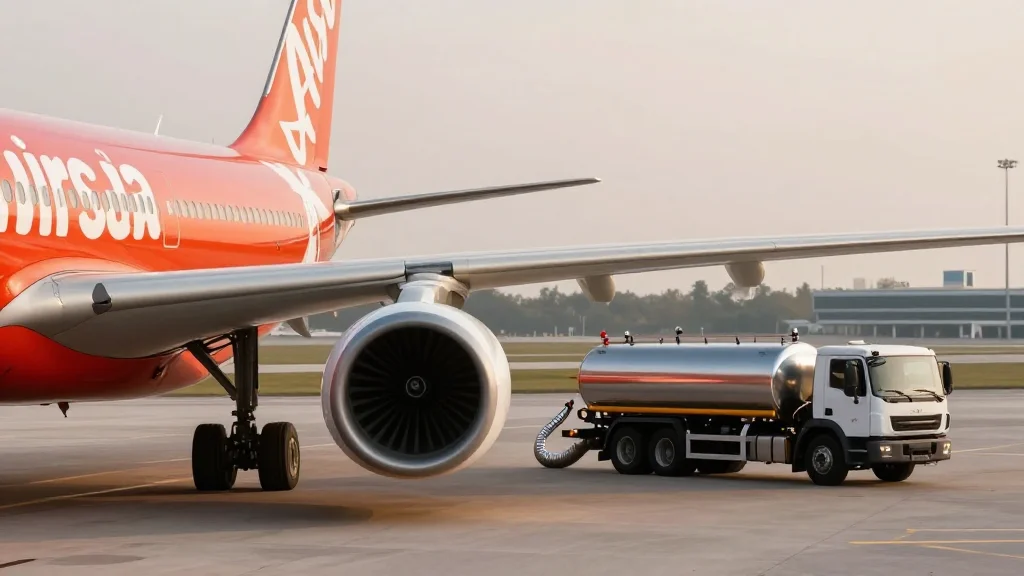
AirAsia X to Raise Fares, Cut Capacity over Middle East War
Companies Mentioned
Why It Matters
Higher fuel surcharges threaten low‑cost carrier margins, forcing network and pricing revisions that ripple across the regional aviation market.
Key Takeaways
- •AirAsia X cuts 10% of flights amid fuel cost surge.
- •Ticket prices increase as Middle East conflict raises fuel surcharges.
- •Bahrain hub launch scheduled for June despite regional instability.
- •Profit of 1.96 billion ringgit shows post‑COVID recovery.
- •Airline reduces baggage fees to offset higher ticket prices.
Pulse Analysis
The escalation of the Iran‑Israel conflict has reverberated through global aviation, primarily by inflating jet fuel prices. With the Strait of Hormuz partially closed, oil shipments face bottlenecks, pushing benchmark fuel costs above $1.30 per gallon. International carriers have responded with steep fuel surcharges, a move that disproportionately hurts low‑cost airlines that operate thin margins. Analysts note that the volatility is likely to persist until diplomatic channels reopen, forcing airlines to reassess route economics and pricing structures across the Middle East and beyond.
AirAsia X, Southeast Asia’s largest budget carrier, announced a 10 percent reduction in its flight schedule and a modest fare increase to shield earnings from the fuel shock. The airline still plans to launch its Bahrain hub in June, signaling confidence in long‑term demand for Middle‑East connections despite short‑term turbulence. Last year the carrier posted a profit of 1.96 billion ringgit (about $486 million), demonstrating a solid post‑COVID rebound. To soften the price impact, AirAsia X is trimming baggage fees and reallocating capacity to routes where higher surcharges can be recouped.
The adjustments underscore a broader industry trend: low‑cost carriers are forced to balance aggressive pricing with volatile input costs. Investors are watching how airlines like AirAsia X manage margin pressure while expanding into new markets such as Bahrain. If fuel prices stabilize, the carrier could restore capacity and leverage its growing network across 25 countries. Conversely, prolonged disruptions in the Middle East may compel further route rationalizations, highlighting the importance of flexible fleet strategies and diversified revenue streams for sustainable growth.
AirAsia X to raise fares, cut capacity over Middle East war
Comments
Want to join the conversation?
Loading comments...