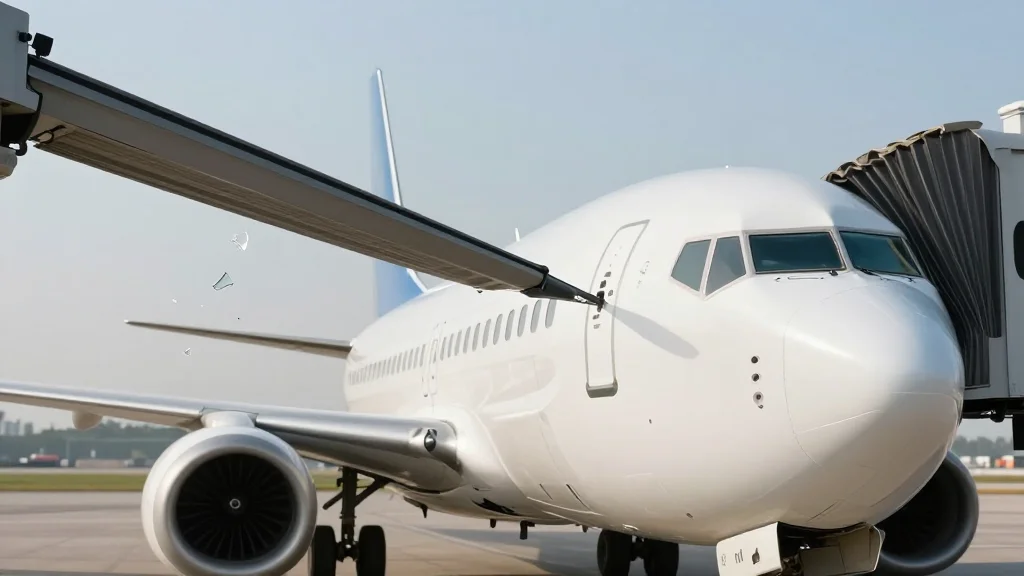
Airbridge Crashed Into Cockpit of Boeing 737 Sending Glass Flying Towards Pilots… On Two Seperate Occasions
Key Takeaways
- •Two jetbridge collisions hit Boeing 737 cockpits within month
- •Operator lacked visual reference due to missing side windows
- •Gate 82 layout forced extended, diagonal bridge movement
- •ATSB identified joystick misalignment as direct cause
- •Updated training and cab guidance stopped further incidents
Pulse Analysis
The twin jetbridge incidents at Brisbane’s Gate 82 underscore how seemingly routine ground operations can become safety hazards when infrastructure and procedures misalign. While the aircraft themselves were unharmed, the glass‑shard impact highlighted a vulnerability that could have resulted in serious injuries or costly aircraft repairs. Such events draw attention to the broader challenge of managing mixed‑type gates, where narrow‑body and wide‑body aircraft share the same docking area, often requiring unconventional parking positions that strain standard jetbridge maneuvers.
Investigators from the Australian Transport Safety Bureau traced the root cause to a combination of poor visibility and operator error. The gate’s jetbridge lacked side viewing windows, forcing the operator to rely on indirect cues while extending the bridge. Compounding this, the joystick was moved to a 3 o’clock position, unintentionally sending the bridge on a diagonal path toward the cockpit rather than parallel to the fuselage. These technical oversights, coupled with the gate’s unique layout that pushes narrow‑body planes farther from the bridge, created a perfect storm for collision. The ATSB’s findings serve as a cautionary tale for airports that operate hybrid gates without adequate visual aids or automated safeguards.
In response, Brisbane Airport has overhauled its jetbridge training program and installed clear visual guidance within the bridge cab, effectively eliminating the blind‑spot that led to the accidents. The swift corrective action demonstrates how targeted procedural changes can mitigate risk without costly infrastructure redesigns. For the wider aviation industry, the incidents reinforce the importance of integrating human‑factor considerations into ground‑equipment design and ensuring that safety protocols evolve alongside operational complexities. Airports worldwide are now reviewing their gate configurations and operator training standards to preempt similar events, reinforcing a proactive safety culture across the sector.
Airbridge Crashed into Cockpit of Boeing 737 Sending Glass Flying Towards Pilots… On Two Seperate Occasions
Comments
Want to join the conversation?