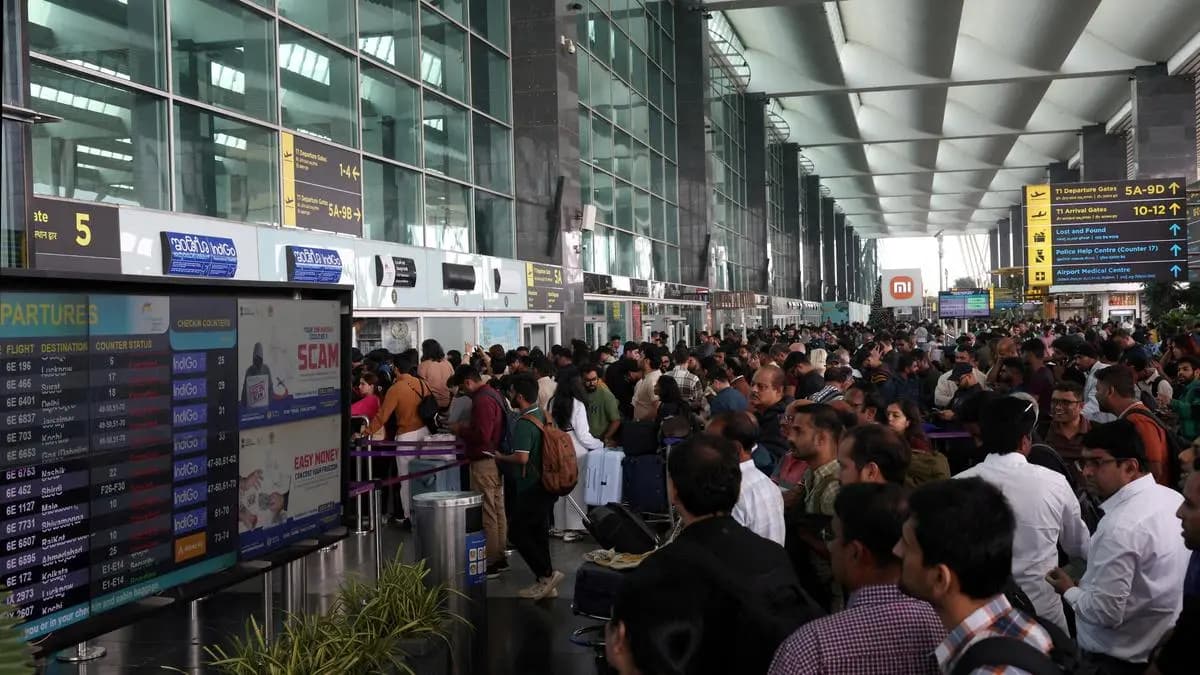
Airfares Need to Be ‘Rationalised’, Says Supreme Court
Why It Matters
A binding fare‑regulation framework could curb predatory pricing, protecting price‑sensitive travelers and reshaping airline revenue models in India’s rapidly growing aviation market.
Key Takeaways
- •Court highlighted price gap: ₹8,000 ($96) vs ₹18,000 ($217) same route
- •New Aviation Act 2024 rules still in consultation, not yet binding
- •Govt cites parliamentary scrutiny, may delay interim fare caps
- •PIL argues existing powers unused; advocates call for binding fare caps
- •DGCA plans to address surge pricing, baggage fees in upcoming rules
Pulse Analysis
The Supreme Court’s recent intervention spotlights a long‑standing grievance: Indian airlines often charge wildly different fares for identical routes on the same day. The public interest litigation filed by activist S Laxminarayan argues that this price volatility disproportionately harms lower‑income passengers, especially during festivals and emergencies when surge pricing spikes. By bringing the issue before the highest court, the petition forces the government to confront a regulatory gap that has persisted since the 1934 Aircraft Act, despite existing statutory powers.
At the heart of the debate is the Bharatiya Vayuyan Adhiniyam 2024, a fresh legislative framework intended to replace the antiquated Aircraft Rules 1937. While the Ministry of Civil Aviation and the DGCA assert that draft rules are in an "advanced stage," they remain in the consultation phase and must survive a 30‑day parliamentary review under Section 35 of the Act. This layered scrutiny, while ensuring transparency, also risks delaying any interim measures that could immediately temper erratic fare hikes. Industry observers note that the government’s shift from a command‑and‑control model to a deregulated regime with “necessary safeguards” reflects a broader global trend toward market‑driven pricing, yet the Indian context demands explicit consumer protections.
If the forthcoming rules introduce caps, disclosure requirements, or algorithmic oversight, airlines may need to recalibrate revenue management systems that currently rely on dynamic pricing algorithms. Such changes could level the playing field for budget carriers and enhance consumer confidence, potentially boosting overall demand for air travel. Conversely, overly restrictive caps might compress margins and deter new entrants, affecting competition. The Supreme Court’s call for interim relief underscores the urgency; a balanced regulatory outcome could set a precedent for other emerging markets grappling with similar fare‑pricing challenges.
Airfares need to be ‘rationalised’, says Supreme Court
Comments
Want to join the conversation?
Loading comments...