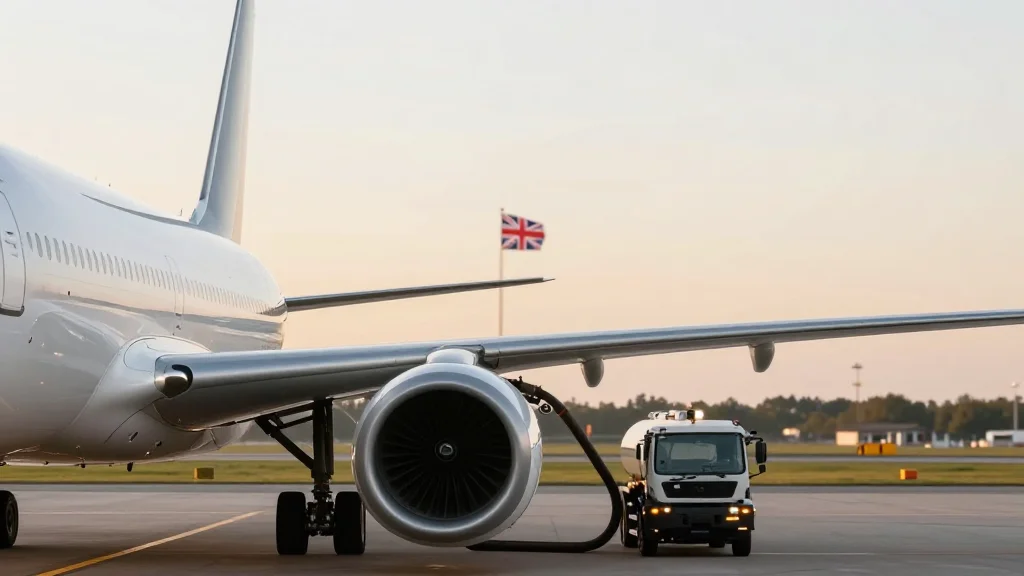
UK Allows Airlines to Pre‑Cancel Flights Weeks Ahead Amid Fuel Shortage Fears

Companies Mentioned
Why It Matters
The UK’s pre‑emptive flight‑cancellation policy tackles two chronic aviation challenges: volatile fuel supply and the high‑value slot system that can compel airlines to operate inefficiently. By allowing schedule adjustments before a shortage hits, the government aims to prevent the cascade of last‑minute cancellations that damage consumer confidence and strain airport operations. The move also safeguards slot assets worth tens of millions of dollars, preserving market stability at Heathrow and Gatwick, which are critical hubs for European and trans‑Atlantic traffic. If the policy proves effective, it could become a template for other fuel‑dependent regions facing geopolitical supply shocks. It also underscores the growing importance of strategic fuel diversification, as the UK pivots to U.S. and African sources to offset Middle Eastern disruptions. The balance between passenger convenience, airline economics, and slot security will shape how the summer travel season unfolds and could influence longer‑term regulatory approaches to aviation resilience.
Key Takeaways
- •UK transport secretary authorises airlines to cancel or merge flights weeks ahead to save fuel.
- •Policy targets fuel supply risks from the Strait of Hormuz closure and IEA‑warned European shortages by June.
- •Airlines can protect slots worth tens of millions of pounds (~$12‑15 million) by adjusting schedules without penalty.
- •Slot usage rule requires 80% utilisation; new guidance relaxes this to avoid forced half‑empty flights.
- •UK diversifies jet‑fuel imports, increasing purchases from the US and West Africa while boosting domestic refinery output.
Pulse Analysis
The UK’s decision to let airlines pre‑emptively cancel flights reflects a rare convergence of regulatory flexibility and market pressure. Historically, slot protection rules have forced carriers into a paradox: fly empty planes to keep valuable slots or lose them to competitors. By decoupling slot retention from strict utilisation during a fuel crisis, the government is effectively re‑balancing the cost‑benefit calculus for airlines. This could lead to a modest reduction in overall flight frequency on heavily serviced routes, especially those dominated by business travel, while preserving capacity for high‑margin holiday demand.
From a strategic perspective, the policy also signals a shift toward proactive risk management in aviation. Rather than reacting to fuel shortages with abrupt cancellations that erode consumer trust, airlines can now plan reductions in advance, smoothing operational disruptions. The move may encourage other jurisdictions to adopt similar frameworks, especially as geopolitical tensions continue to threaten energy logistics. However, the success of the approach hinges on accurate forecasting; premature cuts could unnecessarily curtail capacity, while delayed action could still trigger last‑minute chaos.
Looking ahead, the real test will be how airlines integrate the new guidance with their slot‑management strategies. If carriers can demonstrate that pre‑emptive cuts preserve slot value without sacrificing revenue, we may see a broader re‑evaluation of slot allocation policies across Europe. Conversely, if airlines struggle to balance fuel savings against revenue loss, pressure could mount to revisit the 80% utilisation rule. The policy’s evolution will likely be shaped by the pace of fuel imports, the severity of any supply shortfall, and passenger tolerance for schedule changes during the peak summer travel window.
UK Allows Airlines to Pre‑Cancel Flights Weeks Ahead Amid Fuel Shortage Fears
Comments
Want to join the conversation?
Loading comments...