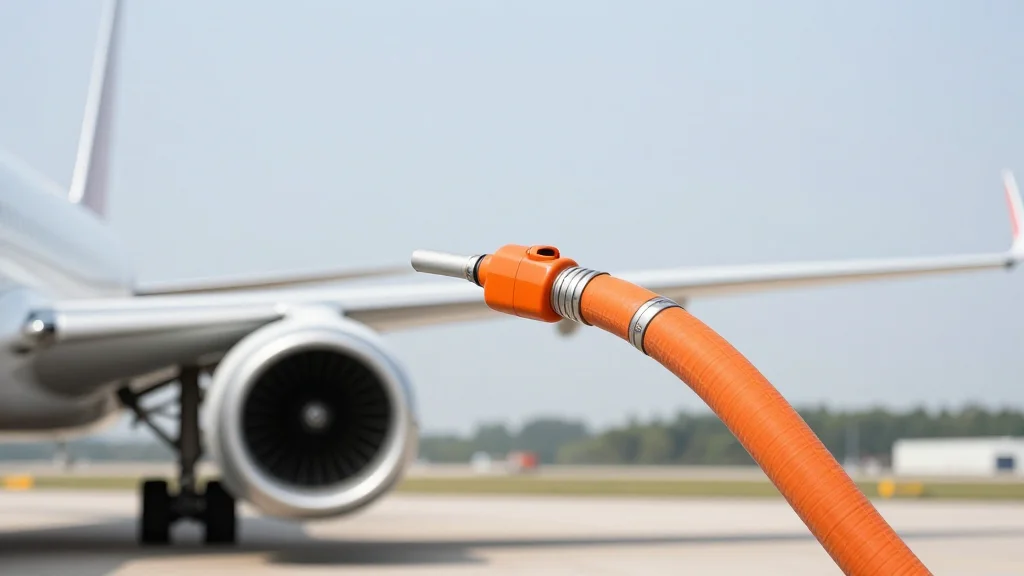
Airlines Cut Flights as Fuel Costs Surge — an Economic Fallout From the Iran War that Markets May Be Missing
Why It Matters
Higher fuel costs force airlines to reduce capacity and raise fares, squeezing consumer travel budgets and compressing industry profit margins, which could reverberate across the broader transportation sector.
Key Takeaways
- •Jet‑fuel prices up roughly 30% since the Iran conflict began
- •Major U.S. carriers announced up to 5% schedule reductions
- •European airlines already trimming routes, citing fuel shortages
- •Ticket fares expected to rise 8‑10% to offset costs
- •Profit margins compressed, prompting airlines to defer fleet upgrades
Pulse Analysis
The Iran war has triggered a cascade of sanctions and supply chain disruptions that have rippled through the global oil market, tightening the availability of refined jet fuel. With refinery output in the Middle East constrained, spot prices for jet fuel have climbed to levels not seen since the 2008 financial crisis, forcing airlines to reassess cost structures. This price shock arrives at a time when demand for leisure travel is accelerating, creating a perfect storm of high demand and soaring input costs.
Airlines are responding by strategically pruning capacity rather than passing the entire cost increase to passengers. U.S. legacy carriers have announced schedule cuts amounting to roughly 5% of their summer flights, while European low‑cost carriers are suspending marginal routes to preserve cash flow. The immediate effect is a tighter seat inventory, which allows airlines to raise ticket prices by an estimated 8‑10%. For travelers, the combination of fewer flight options and higher fares could dampen the anticipated summer travel boom, especially for price‑sensitive segments.
The longer‑term implications extend beyond the current season. Persistent fuel price volatility may accelerate airlines' shift toward more fuel‑efficient aircraft and alternative energy sources, such as sustainable aviation fuel (SAF). Investors are closely watching how airlines manage the margin squeeze, as deferred fleet upgrades could impact future growth prospects. Market participants should monitor policy developments in the Middle East and any potential relief measures, which could stabilize fuel costs and restore confidence in airline profitability.
Airlines cut flights as fuel costs surge — an economic fallout from the Iran war that markets may be missing
Comments
Want to join the conversation?
Loading comments...