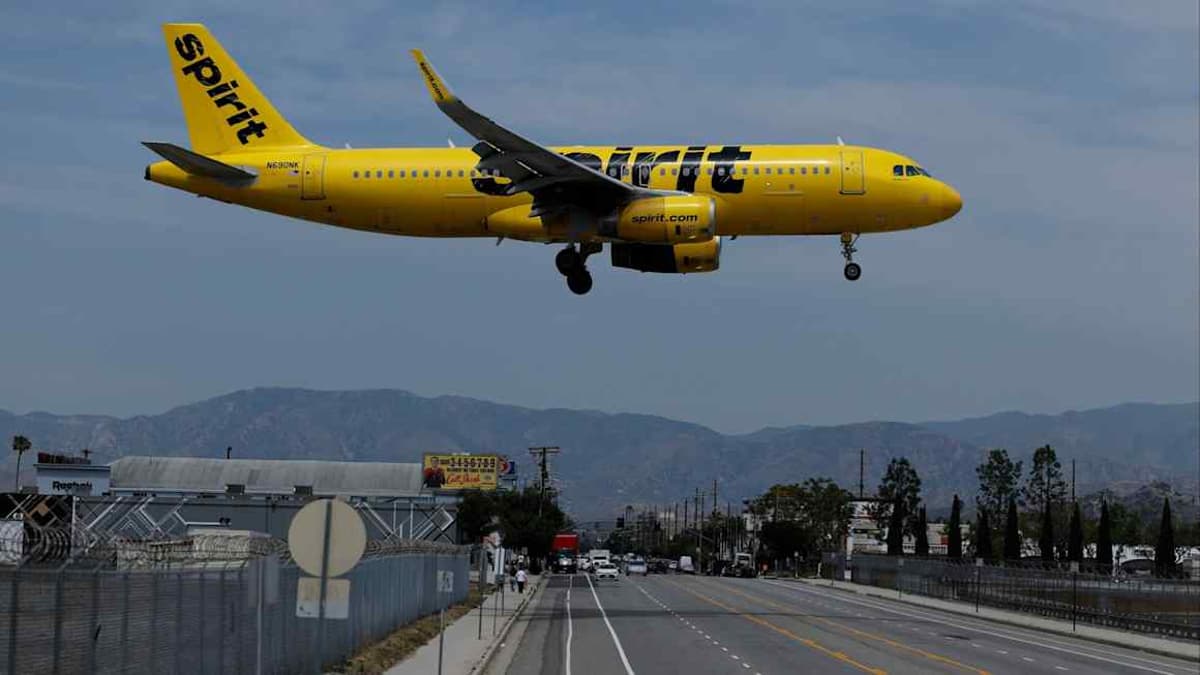
Airlines Face $100bn Hit on Jet Fuel From Iran Energy Shock
Why It Matters
A $100 bn fuel shock threatens airline profit margins and could trigger fare hikes, reshaping travel demand and accelerating the shift toward alternative fuels.
Key Takeaways
- •Iran's output cut lifts global jet fuel prices by ~30%
- •Airlines estimate $100 bn extra fuel costs this year
- •Ticket fares could rise 5‑10% to offset expenses
- •Hedging programs mitigate only a fraction of the price surge
- •Shift to sustainable aviation fuel accelerates as cost pressures mount
Pulse Analysis
The Iranian energy shock stems from a combination of renewed U.S. sanctions and domestic production setbacks, curtailing crude exports that feed the global jet‑fuel market. With Iran historically supplying about 5% of world oil, its output dip has tightened supply chains, pushing Brent crude above $90 per barrel and jet fuel up to $2.50 per gallon in key hubs. For airlines, fuel already accounts for roughly 20‑30% of operating costs, so a 30% price jump erodes earnings and forces a reassessment of budgeting and pricing strategies.
Airlines are responding on multiple fronts. Short‑term tactics include expanding hedging programs, though many carriers entered the market with limited contracts, leaving them exposed to the current surge. Some are revising route networks, trimming capacity on marginal routes, and negotiating bulk purchase agreements to lock in lower prices. Meanwhile, the cost pressure is nudging passengers toward fare‑sensitive behavior, prompting carriers to consider modest ticket increases—typically 5‑10%—to preserve margins without dampening demand.
Longer‑term, the shock revives interest in sustainable aviation fuel (SAF) and other low‑carbon alternatives. SAF, once a niche product, is now viewed as a hedge against volatile fossil‑fuel markets, with several airlines committing to blended‑fuel targets for the next decade. Governments are also weighing policy incentives to accelerate SAF adoption, recognizing that diversifying fuel sources can enhance energy security while meeting climate goals. In sum, Iran’s energy disruption is reshaping airline cost structures, influencing pricing, and accelerating the industry's pivot toward greener fuel solutions.
Airlines face $100bn hit on jet fuel from Iran energy shock
Comments
Want to join the conversation?
Loading comments...