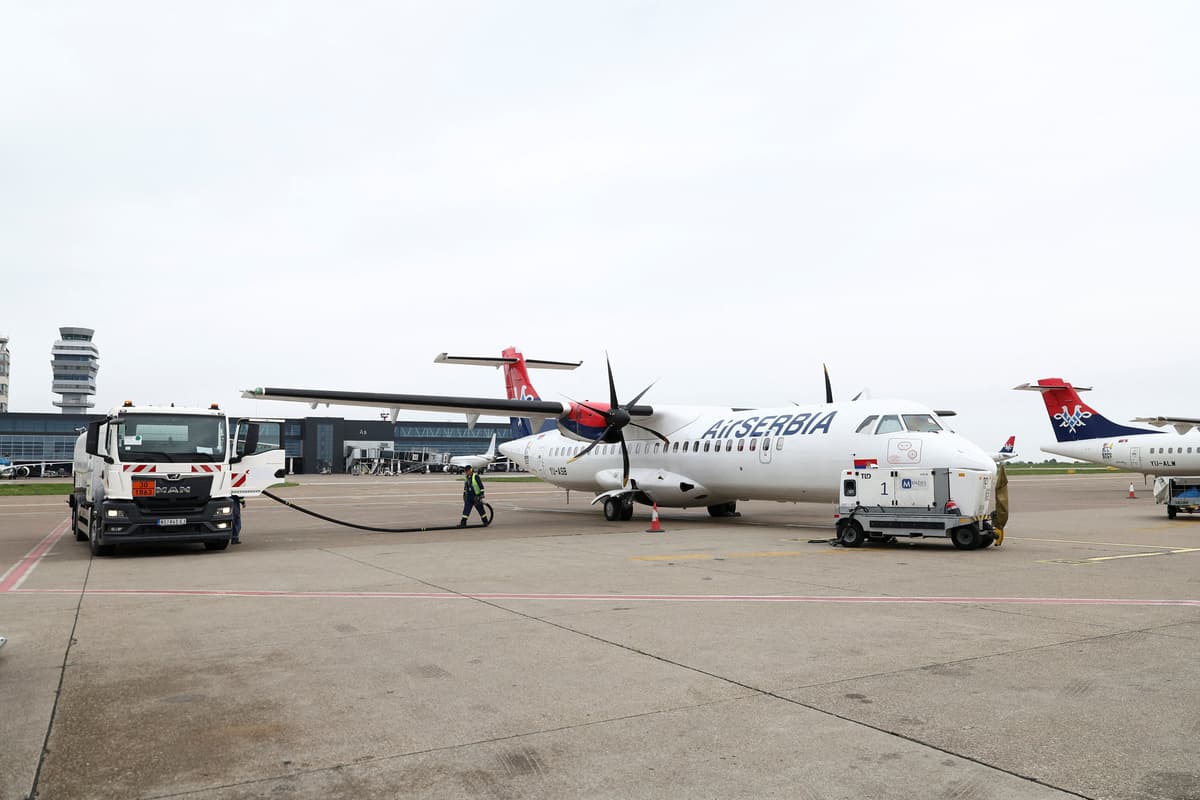
Airlines Lower some Fares Amid Falling Demand
Why It Matters
The shift highlights how geopolitical risk and fuel volatility force airlines to recalibrate pricing, directly affecting travel spending and revenue potential across markets.
Key Takeaways
- •European airlines slash fares to Southern Mediterranean hubs
- •Jet fuel spikes trigger flight cuts, higher US fares
- •US travelers shift toward budget‑friendly options despite fuel costs
- •Demand stays strong for summer trips in the United States
- •Airlines use price incentives to revive lagging bookings
Pulse Analysis
The ongoing conflict in Iran has rippled through the aviation sector, creating a dual shock of heightened geopolitical uncertainty and a looming jet‑fuel shortage. Fuel, which accounts for roughly a third of an airline’s operating expenses, has surged to multi‑year highs, prompting carriers to reassess route economics. Travelers, wary of potential cancellations and price volatility, have postponed bookings, especially for leisure trips to Europe, where the perception of risk is strongest. This environment forces airlines to weigh the cost of maintaining capacity against the risk of empty seats.
In response, several European carriers have introduced targeted fare reductions on popular Southern European routes such as Barcelona, Rome and the Greek islands. The Financial Times’ recent data shows a 7‑10 percent price dip on these itineraries, a tactical move designed to stimulate demand without triggering a broader price war. By offering lower‑cost tickets, airlines aim to fill aircraft that might otherwise sit idle, preserving cash flow and market share. The strategy also leverages the price elasticity of leisure travelers, who are more likely to book when presented with a clear discount, thereby softening the impact of the fuel cost surge.
Across the Atlantic, U.S. airlines face a different calculus. While jet‑fuel prices have risen sharply, domestic demand for summer vacations remains resilient, buoyed by strong consumer confidence and limited alternative leisure options. Carriers have largely passed fuel costs onto passengers through higher base fares, yet a growing segment of travelers is hunting for budget‑friendly alternatives, including low‑cost carriers and secondary airports. This bifurcated market signals that airlines must adopt nuanced pricing models—maintaining premium pricing where demand is inelastic while deploying discount tactics in price‑sensitive segments—to navigate the twin challenges of fuel volatility and uneven demand.
Airlines lower some fares amid falling demand
Comments
Want to join the conversation?
Loading comments...