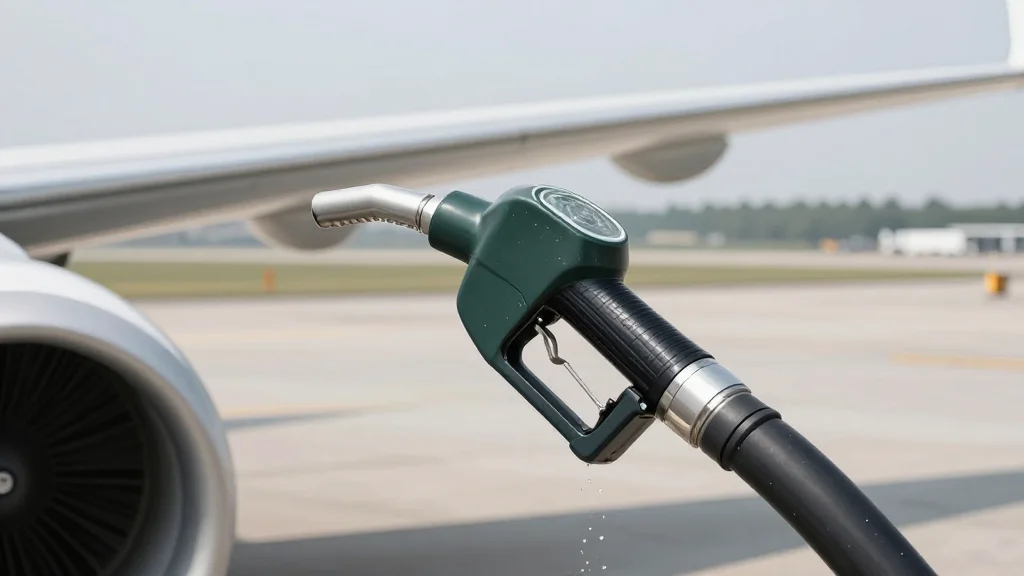
Airlines Slash Routes as Jet Fuel Prices Double, Spirit Fares Surge

Companies Mentioned
Why It Matters
The rapid escalation in jet fuel costs threatens to reshape the airline industry's competitive landscape. Low‑cost carriers like Spirit, which depend on thin margins and low fares, face heightened liquidation risk, potentially reducing consumer choice and increasing fares across the market. Moreover, route reductions diminish connectivity for regional airports, impacting local economies that rely on tourism and business travel. The situation also underscores the vulnerability of global air travel to geopolitical shocks, prompting airlines to reassess risk management and fuel‑hedging strategies. For passengers, the immediate impact is higher ticket prices and fewer flight options, especially on secondary routes. For investors, the volatility introduces heightened credit risk for carriers with limited cash reserves, while airlines with stronger balance sheets may gain market share by absorbing displaced demand. Policymakers may need to consider temporary relief measures or infrastructure support for affected regional airports to mitigate broader economic fallout.
Key Takeaways
- •Jet fuel prices rose from $99 to over $200 per barrel, doubling in weeks
- •Spirit Airlines' average fare jumped 124% from $86 to $193 for late‑March flights
- •Major carriers (Delta, Air Canada, Lufthansa, KLM) cut routes and trim capacity by ~3% for May
- •Puerto Vallarta International saw a 5% traffic decline, partly linked to Spirit’s reduced capacity
- •Airlines face higher operating costs, prompting fleet upgrades and increased fuel‑hedging
Pulse Analysis
The current fuel shock is more than a temporary cost spike; it is a catalyst for structural change in the airline sector. Historically, fuel price spikes have accelerated the retirement of older, less efficient aircraft, and this cycle appears to be repeating faster due to the geopolitical nature of the supply disruption. Carriers that have already invested in next‑generation narrow‑body jets, such as the Airbus A320neo family, will gain a competitive edge, while legacy fleets may become liabilities.
Spirit Airlines sits at the epicenter of this turbulence. Its business model hinges on ultra‑low fares, and the 124% fare increase erodes the core value proposition that differentiates it from legacy carriers. Unless Spirit can secure additional liquidity—through equity, debt, or a strategic partnership—it may be forced into restructuring or a sale. The market’s reaction, reflected in widening credit spreads and heightened volatility in Spirit’s stock, signals that investors are already pricing in a higher probability of distress.
In the broader context, the route cuts by legacy carriers could open a window for regional airlines and low‑cost entrants to capture niche markets, provided they can navigate the fuel cost environment. However, the overall reduction in capacity may depress demand, creating a feedback loop that further squeezes revenues. Regulators and airport authorities should anticipate reduced traffic at secondary hubs and consider temporary subsidies or flexible slot allocations to maintain essential connectivity. The next few quarters will test the resilience of the airline industry’s financial structures and its ability to adapt to a volatile energy landscape.
Airlines Slash Routes as Jet Fuel Prices Double, Spirit Fares Surge
Comments
Want to join the conversation?
Loading comments...