Airport Authority, Councilman Clash Over Florida Airport Training Plan
Companies Mentioned
Why It Matters
The outcome will shape how regional airports can fund aviation workforce pipelines, directly affecting talent supply and economic growth in the Southeast’s aviation sector.
Key Takeaways
- •$10 million request aims to expand mechanic training at Cecil Airport.
- •FAA rules limit airport revenue use to reduced‑rent hangar space.
- •JAA offers grant assistance but cannot directly fund equipment purchases.
- •Councilman Howland accuses board of intimidation; board denies misconduct.
- •Training expansion could boost regional aviation jobs and economic growth.
Pulse Analysis
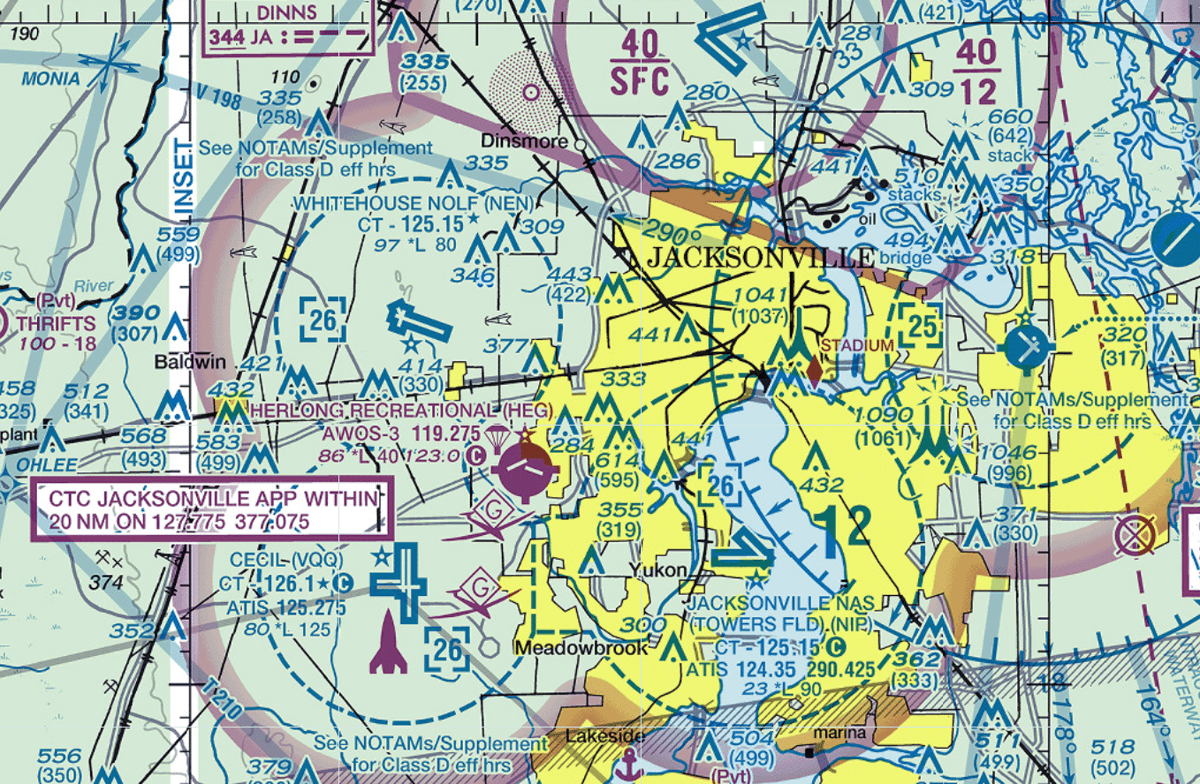
The Jacksonville Aviation Authority’s proposal to allocate up to $10 million for an expanded aircraft‑mechanic curriculum at Cecil Airport reflects a broader push to revitalize the Southeast’s aviation talent pool. Cecil, a former Navy base with one of the longest runways on the East Coast, offers ample space for hands‑on training, yet the airport’s revenue streams are tightly regulated by the Federal Aviation Administration. By focusing on reduced‑rent hangar space and grant facilitation, JAA aims to stay within FAA guidelines while still supporting Florida State College at Jacksonville’s growing enrollment.
Federal rules prohibit airports from diverting operating revenues to capital projects unrelated to direct airport functions. This restriction forces local leaders like Councilman Nick Howland to navigate a complex compliance landscape, seeking alternative financing such as FAA‑approved grants or private‑sector partnerships. JAA’s willingness to assist with grant applications signals a collaborative approach, but the authority’s inability to directly purchase equipment underscores the limits of airport‑based funding mechanisms. The tension between political ambition and regulatory compliance highlights the delicate balance required to expand vocational programs without breaching revenue diversion statutes.
If the training expansion proceeds, the region could see a surge in qualified aviation technicians, addressing a national shortage that airlines and MROs are scrambling to fill. Enhanced workforce pipelines translate into higher‑pay jobs, increased airport utilization, and a stronger economic multiplier effect for Jacksonville’s Westside. However, lingering disputes between council members and the airport board risk delaying implementation, emphasizing the need for clear policy guidance and cooperative funding models to sustain long‑term aviation workforce development.
Airport Authority, Councilman Clash Over Florida Airport Training Plan
Comments
Want to join the conversation?
Loading comments...