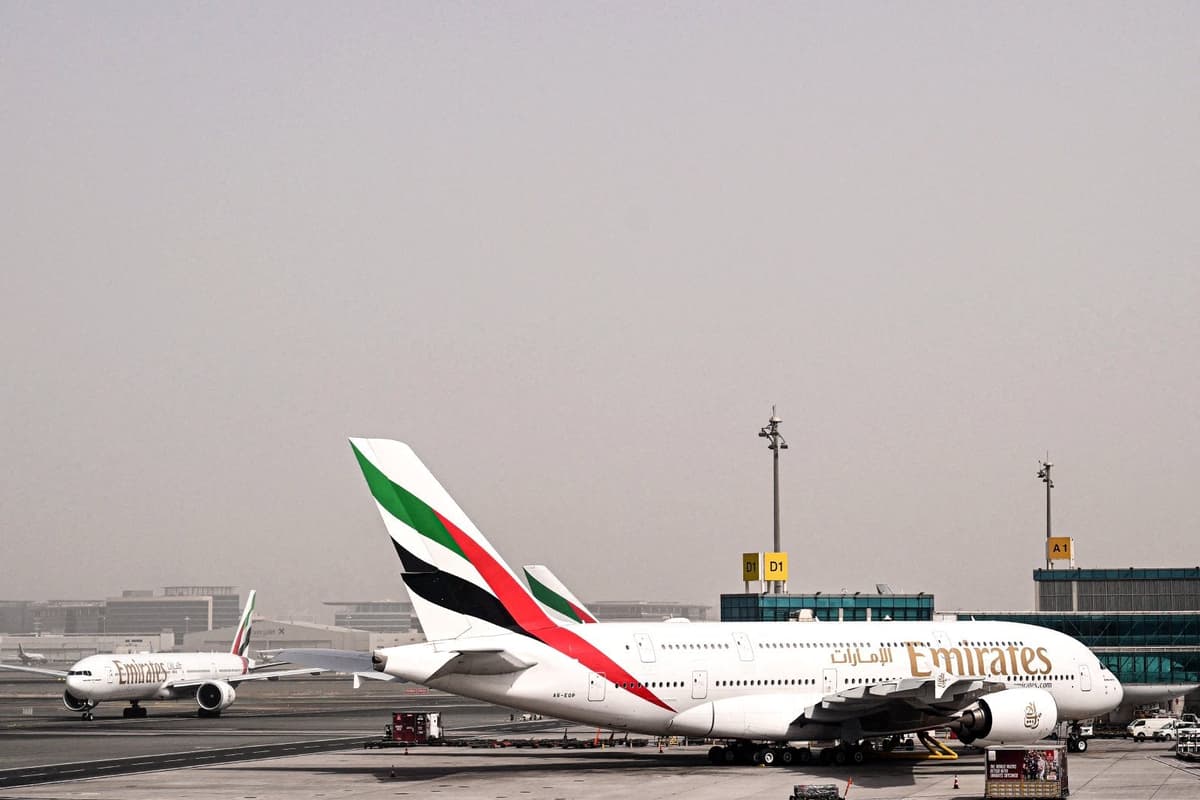
Airspace Closures Across Middle East Cause Flight Cancellations After Strikes on Iran
•February 28, 2026
0
Companies Mentioned


Why It Matters
The closures expose how quickly geopolitical flashpoints can disrupt global aviation networks and erode airline revenues, underscoring the need for robust contingency planning.
Key Takeaways
- •Airspace closed across UAE, Qatar, Jordan, Iran, Iraq, Syria
- •Dubai, Abu Dhabi, Doha airports halted operations indefinitely
- •Gulf and international airlines issued flexible travel waivers
- •Flight cancellations strain airline revenue and global schedules
- •Travelers should verify hotel, insurance coverage amid disruptions
Pulse Analysis
The sudden shutdown of Middle‑East airspace after the Feb. 28 attacks illustrates the fragility of modern flight routes that rely on narrow corridors. While the immediate impact was felt in the region, the ripple effect reached European and Asian carriers that route passengers through Gulf hubs. FlightRadar24 data confirmed a blanket restriction over the UAE, Qatar, Jordan, Iran, Iraq and Syria, forcing airlines to reroute or cancel thousands of flights, a scenario that quickly escalated into a logistical nightmare for global schedulers.
Airlines have moved swiftly to mitigate passenger fallout, rolling out travel waivers that allow free changes or refunds. Gulf carriers such as Emirates, Qatar Airways, and Etihad, alongside legacy carriers like Lufthansa and United, are leveraging these policies to preserve brand loyalty while grappling with capacity losses at their primary hubs. The operational pause at Dubai International— the world’s second‑busiest airport—means a significant revenue dip, as slot‑controlled slots and ancillary services like cargo and retail face abrupt suspension. Moreover, the uncertainty complicates crew scheduling, maintenance planning, and fuel procurement, amplifying cost pressures across the industry.
For travelers, the crisis highlights the importance of flexible booking options and comprehensive travel insurance. Policies that cover trip cancellation, interruption, and even “cancel‑for‑any‑reason” add a safety net when geopolitical events trigger abrupt travel bans. Hotels in affected cities are also adjusting, with many offering refunds or rebooking assistance. As airlines and regulators assess the situation, the episode serves as a reminder that geopolitical risk remains a critical factor in aviation strategy, prompting carriers to diversify routing options and investors to scrutinize exposure to volatile regions.
Airspace closures across Middle East cause flight cancellations after strikes on Iran
0
Comments
Want to join the conversation?
Loading comments...