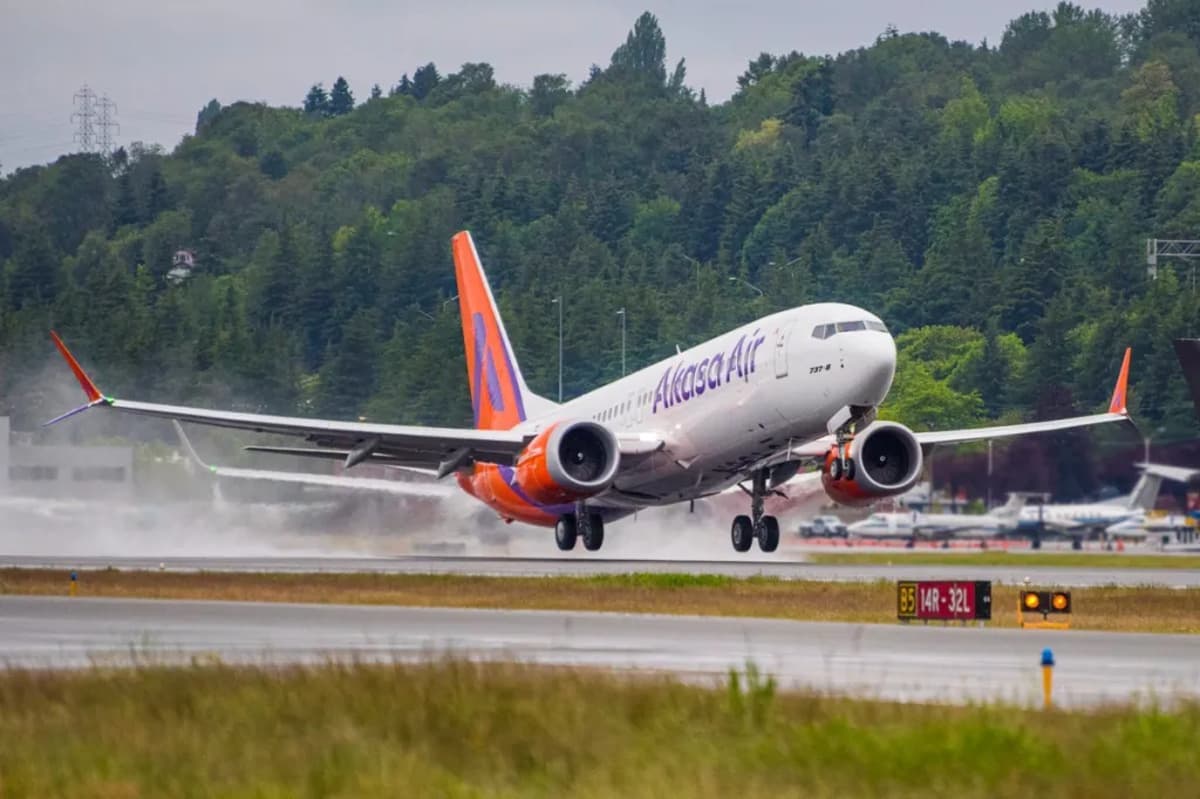
Akasa Heads to Hanoi as Iran War Freezes Gulf Expansion Plans
Why It Matters
The redirection safeguards revenue by targeting a market with strong demand and fewer geopolitical risks, positioning Akasa for sustainable international growth. It also signals a wider industry trend of airlines reallocating resources away from conflict‑prone regions.
Key Takeaways
- •Akasa postpones Gulf rollout, cites Iran war disruptions.
- •New Mumbai‑Hanoi route launches September 4, four weekly flights.
- •Vietnam's Indian tourist arrivals up 30% year‑on‑year.
- •Southeast Asia becomes Akasa's primary growth corridor.
Pulse Analysis
The Iran‑Israel conflict has rippled through the aviation sector, forcing carriers that rely on Middle‑East hubs to reassess route economics. Flight cancellations, heightened insurance premiums, and volatile airspace permissions have eroded profit margins for airlines operating in the Gulf. For Akasa Air, which had built five of its six international routes into the region, the risk‑adjusted return on further Gulf expansion now appears unattractive, prompting a strategic pause.
Vietnam, meanwhile, is emerging as a high‑growth market for Indian carriers. Open‑skies agreements between India and Vietnam have lowered regulatory barriers, while Indian outbound tourism to Vietnam has risen roughly 30% year‑on‑year, driven by affordable fares and cultural ties. By introducing four weekly non‑stop flights between Mumbai and Hanoi, Akasa taps into this demand, leveraging its low‑cost model to capture price‑sensitive travelers and diversify its network beyond the Middle East.
Looking ahead, Akasa’s pivot may reshape its competitive positioning in the South‑Asian low‑cost segment. Southeast Asia offers a relatively stable operating environment and a dense web of secondary airports, enabling rapid route additions without the geopolitical baggage of the Gulf. Investors will watch how quickly the airline can scale capacity, secure airport slots, and achieve load‑factor targets in Vietnam, as these metrics will determine whether the Southeast Asian corridor can offset the lost Gulf upside and sustain long‑term growth.
Akasa Heads to Hanoi as Iran War Freezes Gulf Expansion Plans
Comments
Want to join the conversation?
Loading comments...