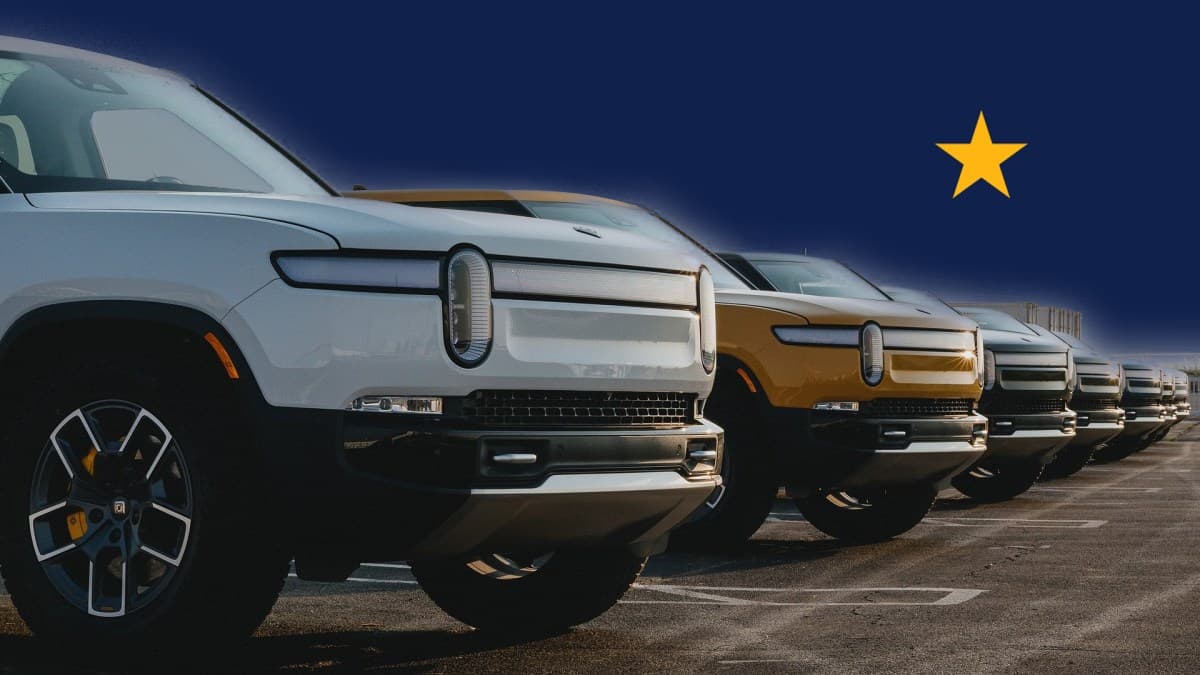
Alaska Rivian Owners Are Getting Screwed Out of Warranty Work by EV Shipping Restrictions
Companies Mentioned
Why It Matters
The shipping bottleneck threatens Rivian’s brand promise of reliable off‑road adventure support and could deter future EV adoption in remote markets. It also highlights regulatory and infrastructure gaps that other manufacturers must address as electric fleets expand.
Key Takeaways
- •Rivian's nearest service center for Alaska owners is in Seattle, WA.
- •Barges halted EV transport after 2025 Morning Midas battery fire.
- •Alaska ferry slots limit EVs to two per sailing, creating months‑long wait.
- •Shipping a non‑drivable Rivian from Alaska can cost over $6,500.
- •Only 80 Rivians are registered in Alaska, hindering dedicated service rollout.
Pulse Analysis
The fallout from the Morning Midas fire has reshaped how electric vehicles move in and out of Alaska. Regulators now treat lithium‑ion batteries as Class 9 hazardous goods, forcing commercial carriers to suspend EV shipments and leaving the Alaska Marine Highway System as the sole legal pathway. Its two‑vehicle limit per sailing and months‑ahead reservation system turn a routine warranty repair into a logistical nightmare, especially for owners whose trucks are immobilized by battery issues.
For Rivian, the situation exposes a critical weakness in its service strategy. While legacy brands maintain regional service hubs, Rivian relies on a single Pacific‑Northwest center, making remote owners vulnerable to extraordinary shipping costs that far exceed typical warranty coverage. The $6,500‑plus price tag for a one‑way ferry or cross‑border haul not only erodes customer goodwill but also raises questions about the scalability of Rivian’s adventure‑vehicle promise in sparsely populated markets. The company may need to explore mobile technician deployments, temporary repair bays, or partnerships with local maritime operators to mitigate the risk.
The broader EV industry can learn from Alaska’s case study. As electric fleets expand into remote and extreme environments, manufacturers must anticipate regulatory hurdles and invest in distributed service networks before market entry. Coordinating with carriers to develop safe, insured transport protocols for damaged batteries could prevent future bans. Ultimately, aligning warranty policies with realistic logistics will be essential for sustaining consumer confidence and accelerating EV adoption in frontier regions.
Alaska Rivian Owners Are Getting Screwed Out of Warranty Work by EV Shipping Restrictions
Comments
Want to join the conversation?
Loading comments...