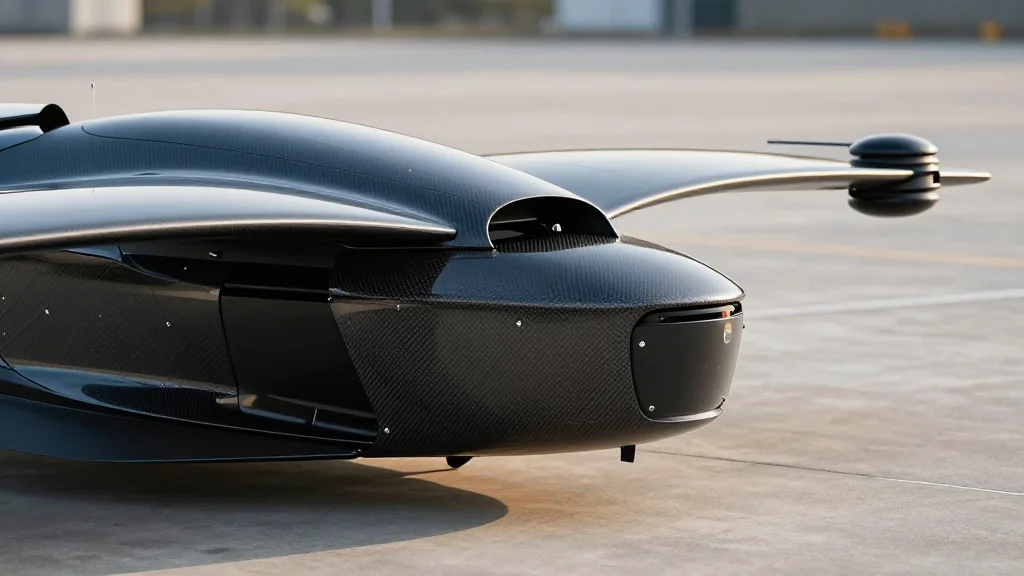
Alef Aeronautics' Composites-Intensive Flying Car Enters Production Phase
Why It Matters
Bringing a true flying car to production marks a pivotal step toward integrating personal aerial mobility with existing road infrastructure, potentially reshaping urban transport and creating a new market segment. Early testing data will inform scalable manufacturing and regulatory pathways, accelerating industry adoption.
Key Takeaways
- •Alef begins hand‑assembled production of Model A Ultralight flying car.
- •Vehicle combines VTOL with rotating chassis that forms wing‑like surfaces.
- •Ground range 200 mi, air range 110 mi; seats driver‑pilot plus one passenger.
- •Early units will be delivered to pre‑order queue for controlled testing.
- •Alef pursuing FAA LSA certification under MOSAIC and low‑speed road classification.
Pulse Analysis
The personal aerial mobility market has long been dominated by prototypes and limited‑run demonstrations. Alef Aeronautics’ shift from experimental flights to a structured production line signals that the industry is moving toward commercial viability. By leveraging a Silicon Valley manufacturing hub that blends robotics with skilled manual assembly, Alef aims to maintain tight quality control while scaling a vehicle that must meet both automotive and aviation standards.
Technically, the Model A Ultralight stands out for its rotating chassis, which reconfigures the car’s body into twin wing surfaces once airborne. This innovative approach reduces drag and maximizes lift without adding conventional rotor blades, while the extensive use of carbon‑fiber composites keeps weight low and efficiency high. The vehicle’s dual‑mode certification strategy—targeting FAA light‑sport aircraft status under the MOSAIC framework and a low‑speed road classification—addresses regulatory hurdles that have stalled many competitors, positioning Alef to navigate both airspace and roadway rules.
From a business perspective, delivering the first units to a curated group of early adopters provides critical real‑world data that will refine manufacturing processes and inform safety protocols before a broader launch. The 200‑mile ground range and 110‑mile flight envelope make the Model A suitable for short‑haul commutes, potentially opening new revenue streams for ride‑sharing platforms and corporate fleets. As other firms race to commercialize vertical‑take‑off vehicles, Alef’s progress could set industry benchmarks for cost, performance, and regulatory compliance, influencing investment trends and shaping the future of multimodal transportation.
Alef Aeronautics' composites-intensive flying car enters production phase
Comments
Want to join the conversation?
Loading comments...