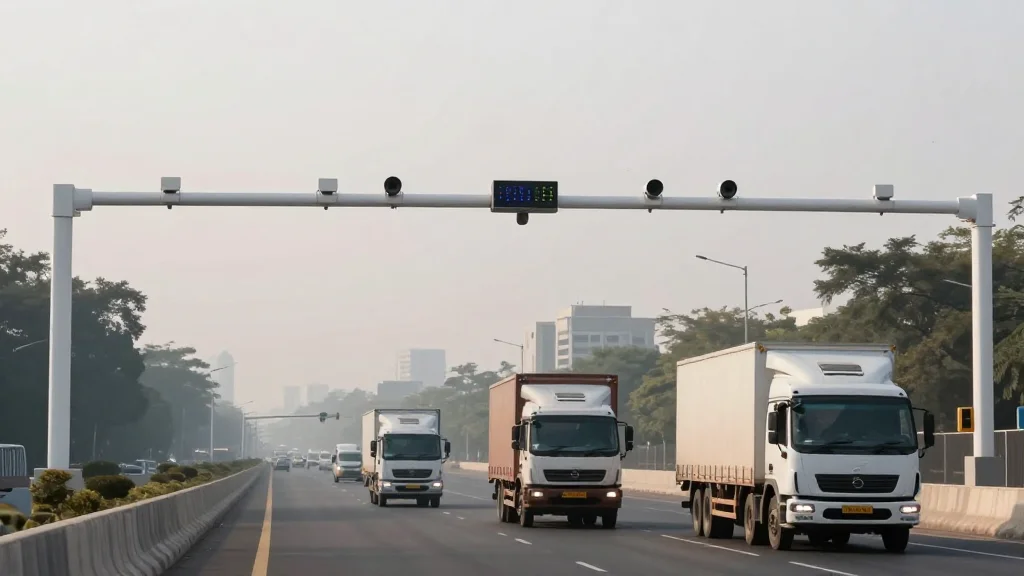
All Delhi MCD Toll Plazas to Go Barrier-Less by December
Why It Matters
By eliminating stop‑and‑pay bottlenecks, Delhi’s freight flow becomes faster and cleaner, giving logistics firms a competitive edge and setting a template for other Indian metros.
Key Takeaways
- •154 Delhi entry tolls to become barrier‑less MLFF corridors.
- •20 major plazas commissioned by end‑October, remaining by December.
- •RFID tags and ANPR cameras enable automatic toll deduction.
- •System targets congestion, pollution, and collection efficiency improvements.
- •Agency will operate and maintain infrastructure for five years.
Pulse Analysis
Delhi’s traffic snarls have long plagued commercial transport, with toll plazas acting as choke points that inflate fuel costs and delivery times. The MCD’s decision to roll out barrier‑less multi‑lane free‑flow tolling aligns the capital with global smart‑city trends seen in Europe and East Asia, where uninterrupted toll corridors have become standard. By leveraging existing highway infrastructure and integrating it with digital payment ecosystems, the city anticipates smoother cross‑border movement for trucks that carry a significant share of India’s domestic freight.
The technical backbone of the project combines RFID transponders and automatic number‑plate recognition (ANPR) cameras. RFID tags, affixed to vehicle windshields, communicate with overhead gantries to debit tolls in real time, while high‑resolution ANPR cameras capture license plates for vehicles lacking tags, ensuring comprehensive coverage. Digital notices will be issued automatically for unpaid dues, streamlining enforcement and reducing manual audits. This dual‑technology approach not only accelerates revenue collection but also creates a data‑rich environment for traffic analytics, enabling authorities to fine‑tune congestion‑mitigation strategies.
For logistics operators, the barrier‑less system translates into measurable cost savings: reduced idle time, lower fuel consumption, and predictable travel windows that improve supply‑chain reliability. Environmental benefits follow, as smoother traffic flow cuts emissions—a critical factor for a city battling air‑quality challenges. The five‑year operational contract gives the selected agency a clear mandate to maintain and upgrade the system, encouraging private‑sector innovation. If successful, Delhi’s model could be replicated across other Indian metros, accelerating the nation’s transition toward smarter, greener transportation networks.
All Delhi MCD toll plazas to go barrier-less by December
Comments
Want to join the conversation?
Loading comments...